

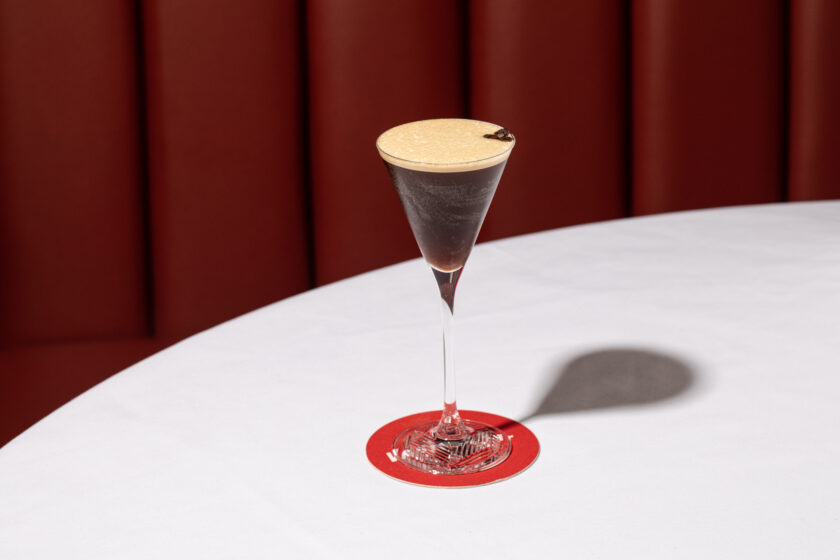
There are trends and there are cultural shifts, moments and movements, one-hit wonders and enduring classics. The Espresso Martini embodies such a shift. Case in point: This article has been in the pipeline for over two years now, but the Espresso Martini is still as relevant as ever as the cocktail has shot past its initial resurgence and so comfortably taken its place as one of the most popular cocktails in world.
It’s rare that a contemporary cocktail is so quickly inducted into the global cocktail canon, especially in the era of social media, but the Espresso Martini has managed this, not only surviving, but thriving over two cultural and generational waves of craft cocktails.
When it comes to cocktail canon, the storied origins of any particular drink may be as fuzzy as the night it was imbibed, full of convenient coincidence or rewritten entirely based on who popularized what and when. Thankfully, the Espresso Martini can be attributed to a time, place, and single person.
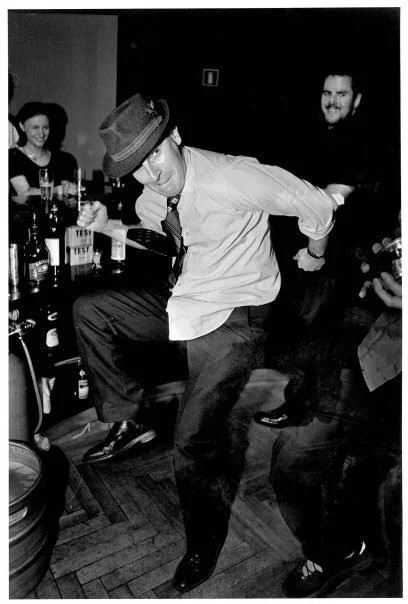
The Espresso Martini, as we know it, was created in 1983 at London’s SoHo Brasserie by Dick Bradsell, a bartender often credited as the Godfather of London’s cocktail revival. As the story goes, an unnamed “famous model” asked for a cocktail that would “wake me up and fuck me up,” so Bradsell turned to the bar’s new Illy espresso machine to deliver what he originally called a Vodka Espresso (and later, the decidedly less catchy Pharmaceutical Stimulant). This combination of vodka, espresso, coffee liqueur, and simple syrup became a signature drink in Bradsell’s arsenal over the next decade, but it wasn’t until 1997, at his own London bar, Match EC1, that he reworked the cocktail and renamed it the Espresso Martini.
This concoction managed to outlast the “Vodka ‘Tini” trend of the 90s, though it wasn’t until deep into the cocktail renaissance of the 2010s that the Espresso Martini became a global mainstay. By 2015, it was a regular order in bars from London to New York City and beyond, and now over ten years later, it has become one of the most popular and recognizable cocktails in the world.
Seemingly every bar or restaurant has one, made to order with freshly pulled espresso (or maybe prebatched espresso or cold brew concentrate), or kegged and available on draft. “We don’t have an espresso machine” is an excuse of the past. Don’t let the espresso of it all deter you: This is a surprisingly easy drink to either nail head on or by approximation.
There are a lot of recipes out there, but we like a simple, streamlined spec that’s easy to remember and will work with just about any combination of brewed coffee, spirit, and coffee liqueur.
 Espresso Martini
-
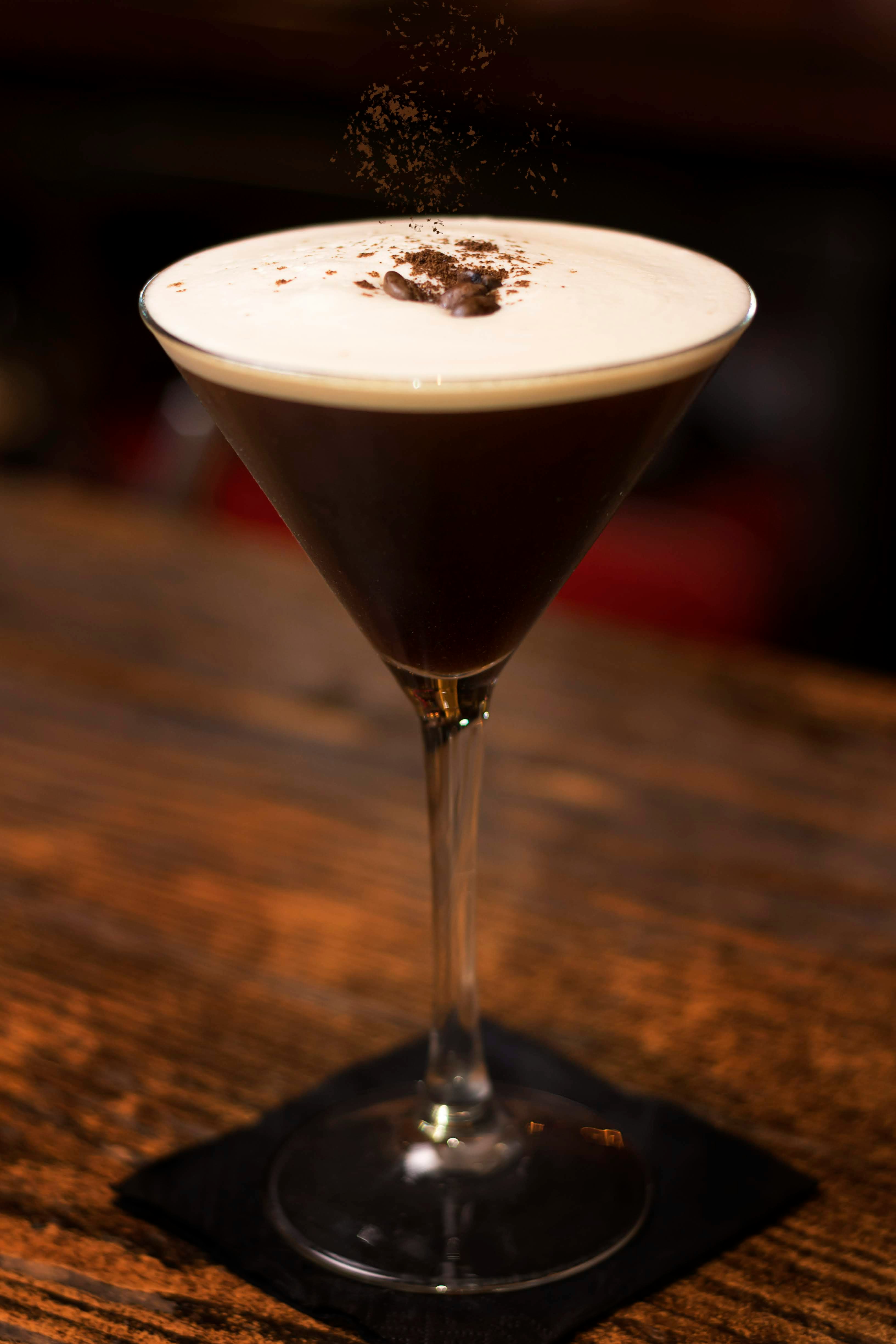
- 1 oz vodka
- 1 oz coffee liqueur
- 1 oz espresso
- ~.25 oz rich syrup
Looks easy enough, right? Just equal parts of its primary components (1:1:1) plus a bit of sugar—between .25 oz and .5 oz depending on the style of sweetener (1:1 simple vs. 2:1 rich).
You’ll notice we only call for a modest ounce of vodka. While the original called for the standard UK 50 ml, or 1.69 oz (somewhere between a fat 1.5 oz and a scant 1.75 oz pour), we believe this drink is most balanced and responsibly served with a single ounce. And as an aside, the minimum ABV of popular domestic vodka brands in the UK (37.5% ABV) is lower than those in the US (40%).
Before we get into the breakdowns of each of our coffee liqueurs, let’s address the burning question on everyone’s mind: What if you don’t have an espresso machine?
Turns out, you can still make a fantastic cocktail! Cold brew concentrate is a common and welcome substitute for fresh, hot espresso. The differing methods of extraction provide different flavor profiles, with hot espresso typically being bolder, earthier, more acidic, and more bitter while cold-brewed coffee is softer, sweeter, and almost chocolatey. Espresso yields a fluffier, firmer foam with a stronger, more pronounced flavor arc brought on by the intense acidity and extra bitterness. Cold brew, on the other hand, provides a creamier foam and a silkier overall texture. It’s also easier to control dilution with cold brew coffee since you’re not fighting rapidly melting ice.
One is not necessarily better than the other, and there are other variables at play in determining the most successful choice. But at the end of the day (or start of your evening), you can make a good Espresso Martini with what you have on hand. Heck, you can use a strong hot-drip coffee or undiluted cold brew in a pinch and get a pretty tasty drink, provided when you’re reaching for an exceptional coffee liqueur to do the heavy lifting.
Ignoring the stubborn purists, it mostly doesn’t matter if you use espresso or cold brew if you make the drink properly using a good coffee liqueur—the real hero of the cocktail. Those complaining about an Espresso Martini not using fresh espresso could just as easily complain that there isn’t any “Martini” in it, either. If you’re lost in the weeds of cold brew versus fresh espresso versus hot coffee versuss blah blah blah, you’re missing the point of this cocktail and denying yourself the simple delights it provides.
Wake me up and fuck me up. Where’s the nuance there? Not to be too reductive, but this is a Four Loko with class, a Vodka/Red Bull you can have at a nice dinner, or maybe more respectably, an evolution or alternate take on an Irish Coffee or Espresso Shakerato. Have fun with it.
Like many successful contemporary cocktails, the Espresso Martini acts more as a template than a single recipe. While we’ve collectively moved on and hopefully forgotten about the social-media-friendly, maximalist martinis adorned with messy heaping piles of cheese, there’s still plenty of wiggle room in this recipe to riff and add your own twist or influence.
The simplest way to modify the cocktail would be to switch your base spirit, swap out your syrup, or slip in some liqueur. As a general rule, if something pairs well with coffee, it will work well in an Espresso Martini.
Vodka as the default spirit helps lengthen and accentuate the other flavors in the cocktail—namely coffee—but rum (especially spiced rum!), whiskey, and Cognac all make a delicious base. Consider aged tequila, mezcal (Salvadores Destilado con Elote, anyone?), genever, or even an amaro such as Contratto Fernet. You’ll be surprised at how many spirits work!
For your syrup, we like a rich 2:1 made using raw cane sugar for its notes of molasses—a perfect, subtle complement to the coffee. You can easily swap the syrup out for a more neutral simple syrup, something spiced such as vanilla syrup, or a nut-based syrup like El Guapo’s toasted-pecan-based Creole Orgeat. It’s worth noting here that the sugar is included more for texture than sweetness and is an easy variable to adjust depending on your coffee liqueur, the ABV of your base spirit, sweetener, coffee choice, and personal preference.
It may be easy to lose yourself in a rabbit hole of liqueur modifiers. Again, if a flavor works with coffee, it will likely work in an Espresso Martini. Try a quarter ounce to a half ounce of coconut liqueur, banana liqueur, crème de cacao, crème de menthe, amaretto, or an amaro.
You can also toss a swath of orange or lemon peel into your tin before you shake the cocktail—a technique known as a regal shake.
The Espresso Martini is iconically garnished with three “lucky” espresso beans, but don’t hold yourself to this. Ninety-nine percent of the time those old garnish beans aren’t even providing aroma and they just end up in the drain at the end of the night. Unless you’re going to eat the coffee beans, you can skip them. Why are we throwing away perfectly good, useable coffee beans that were laboriously grown and harvested? In this economy!? Instead, consider using a microplane to shave a bit of coffee over the top. Or express and discard a citrus peel. Or just leave it alone—the signature fluffy head is delightful by itself!
Skurnik’s robust and impressive portfolio now contains no less than 5–8 coffee liqueurs that run the gamut of sourcing and production styles, from cold brew macerations to a painstaking process involving individually pulled shots of espresso. There’s a coffee liqueur for every bar, every home, and every Espresso Martini. And we know this because we thoroughly taste-tested A LOT of Espresso Martinis.
With so many available offerings, knowing which liqueur to reach for may be the challenge. Thankfully, we can confirm that it’s impossible to go wrong within the Skurnik portfolio, no matter the variable (espresso or cold brew, spirit choice, syrup).
The R&D for this one was more or less straightforward: Make a standard Espresso Martini with each coffee liqueur in the Skurnik portfolio using either freshly brewed espresso or cold brew concentrate. Taste. Take notes. Stay awake for 48 hours straight. Repeat.
Each liqueur is produced differently, starting with the style and sourcing of the coffee beans to the base spirit, sweetener, and inclusion of additional spices and botanicals. Some liqueurs worked best with espresso while some utilized cold brew coffee with equal or even better effect. Some worked best in classic applications with vodka while some immediately made you wonder how a riff using rum, whiskey, or Cognac would taste.
Below is a rundown of each coffee liqueur in the Skurnik portfolio to help you choose one for your next Espresso Martini!
Vicario Coffee Liqueur
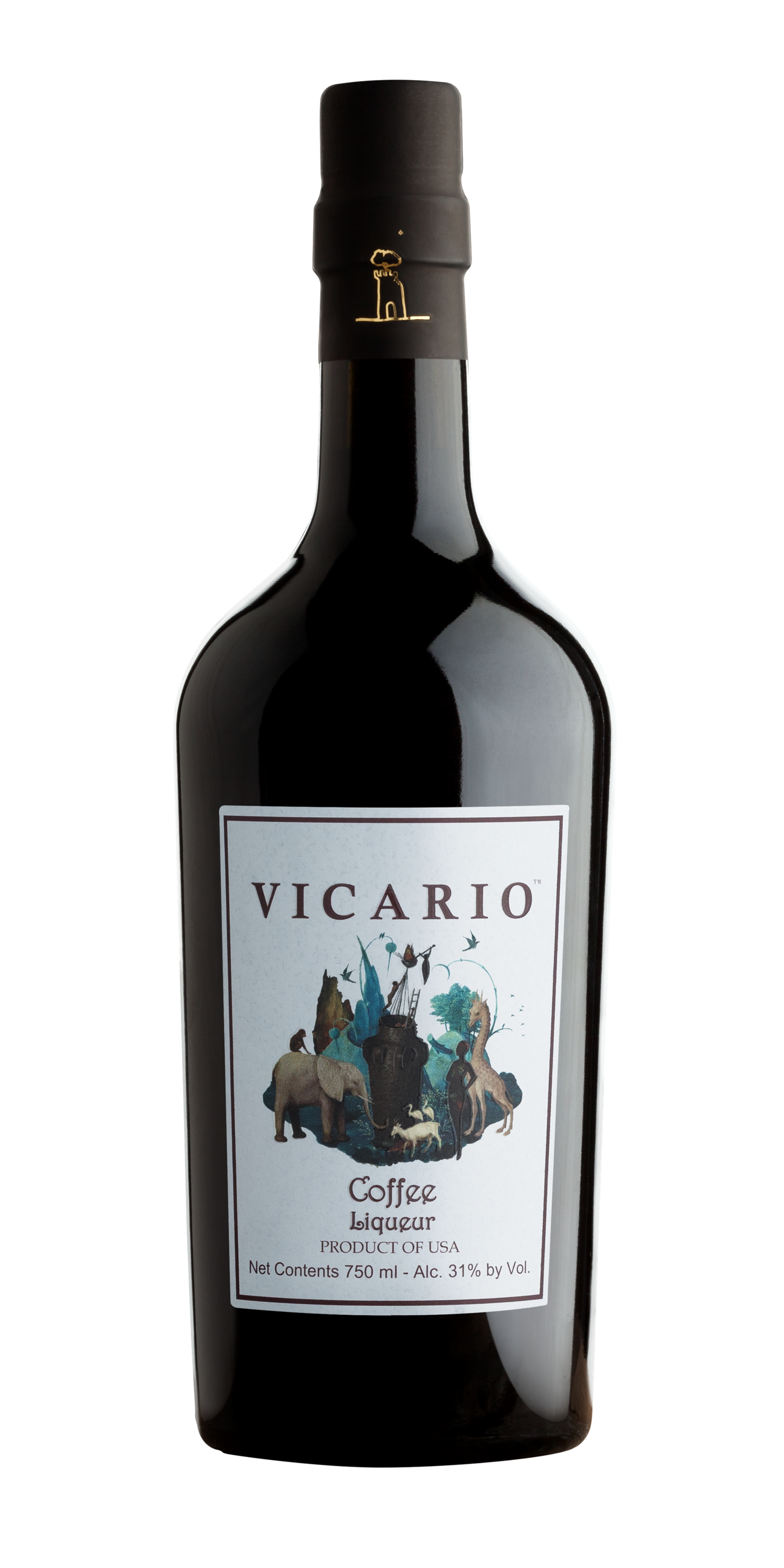 As Vicario’s Janette Wesley puts it, “the goal for making Vicario Coffee Liqueur has always been to offer the same sensation as sipping an espresso at the bar in Italy.” While most coffee liqueurs are produced by macerating coffee in some combination of water and/or spirit, Vicario Coffee Liqueur is made by hand-pulling individual shots of espresso on a small espresso machine. This labor-intensive process is the only way to create a true espresso base by extracting flavors from the coffee using heat and high pressure. As a result, this makes for an exceptional classic Espresso Martini and is one of the best expressions to use with cold brew concentrate in lieu of fresh espresso.
- Made from well-roasted Arabica coffee beans from Lavazza with organic, hand-picked vanilla beans and other proprietary spices
- Produced using 100% non-GMO neutral wheat spirit
- Sweetened using organic, free-trade Paraguayan sugar
- Rested in bottle for 3 months
- 31% ABV
Giffard Café du Honduras Coffee Liqueur
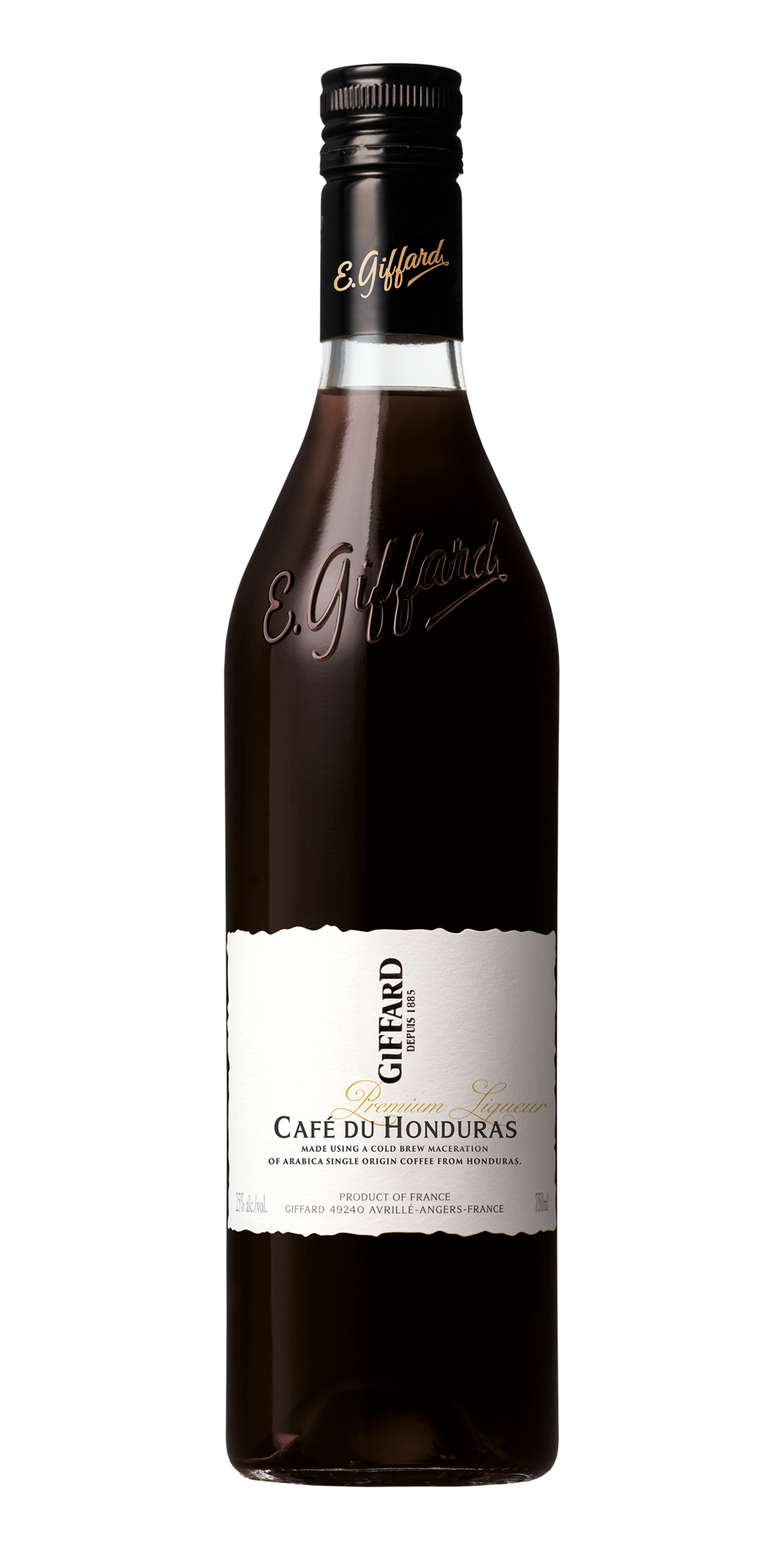 Produced in Angers, France, Giffard’s range of liqueurs are recognized globally as some of the finest cocktailing liqueurs on the market, a reputation well-deserved. So, it’s no surprise that their coffee liqueur knocks it out of the park—an instant category benchmark. This single origin coffee liqueur is made using arabica coffee from Honduras which is cold macerated in neutral spirit instead of water. This straightforward production yields a singularly focused liqueur as versatile as it is delicious. This is your baseline Espresso Martini liqueur—perfect no matter the variable and a great liqueur to use as a starting point for experimentation with modifiers or alternative base sprits. Try this one with a Cognac instead of vodka or slip a quarter of an ounce of Giffard’s own coconut liqueur into the tin.
- Fair trade, single-origin arabica coffee is harvested in the mountains of Honduras and roasted in Auvergne, France, by Frédéric Bonnac, fourth-generation artisanal roaster
- The coffee is cold macerated in neutral sugar beet spirit for varying lengths of time depending on the fruit
- The final spirit is sweetened with sugar beet sugar
- 25% ABV
Cartron Coffee Liqueur
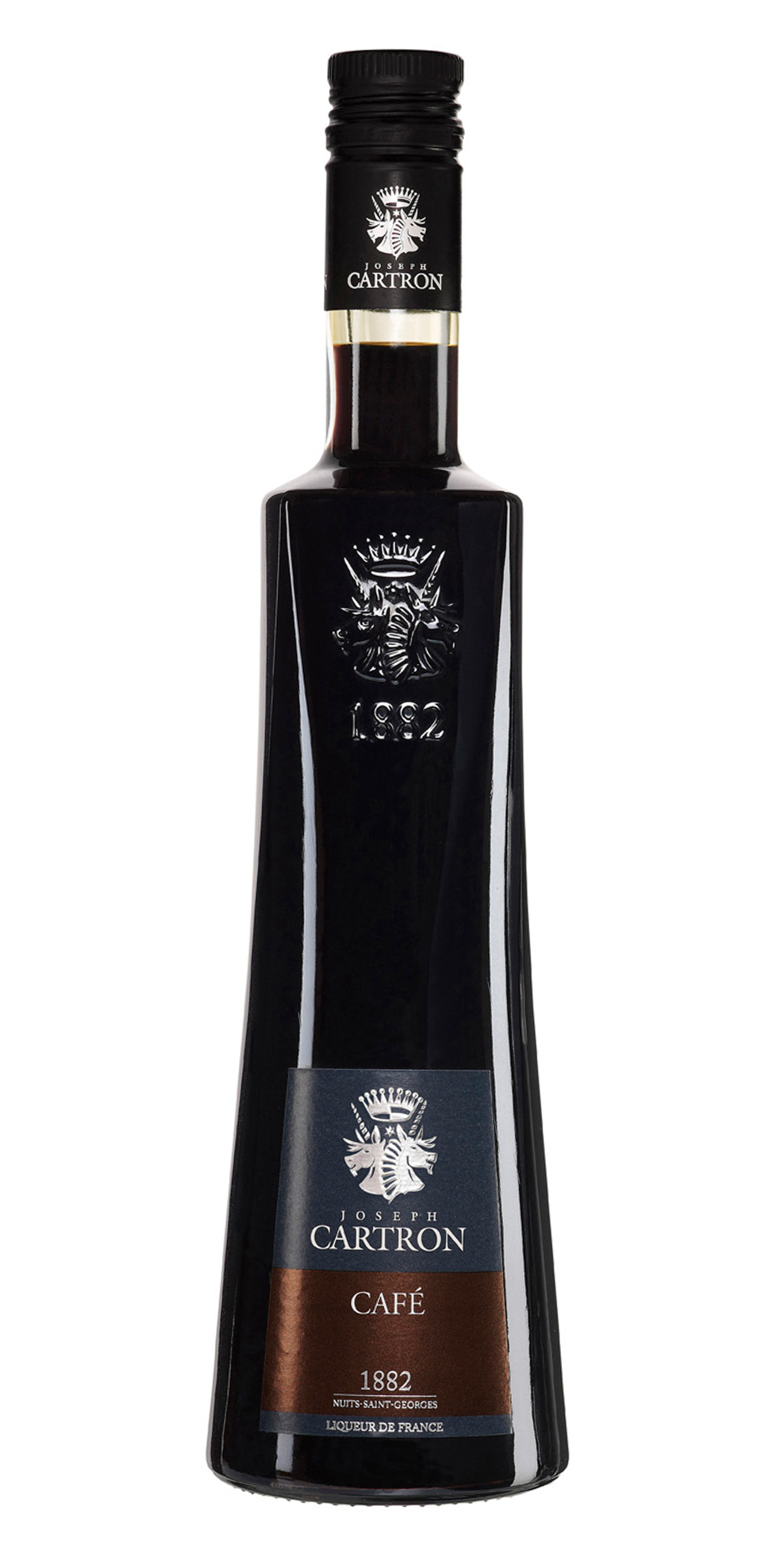 Carton’s coffee liqueur, made in Nuits-Saint-Georges in Burgundy, France, is a powerful reminder that coffee is first and foremost a tropical fruit! This is one of only two coffee liqueurs in the portfolio that see heat applied to the beans, and the only one with a distilled coffee component, making for an intensely layered expression. This is perhaps the richest liqueur of the bunch, and we found that you can omit the added sugar in the Espresso Martini, making it an even easier and more streamlined equal-parts recipe—especially useful in a high-volume setting where every bottle touch counts. Beyond its multiple methods of incorporating the coffee, this is fortified using both Cognac and rum, which provide additional layers of complexity and beg for experimentation with the base spirit—try this one with Chairman’s Spiced Rum!
- Coffee beans sourced from Costa Rica and Kenya are roasted and crushed specifically for Cartron
- The beans are combined with neutral sugar beet distillate, brought to a light boil, and rested for one day; the infusion is clarified, and the spent beans are once more topped with alcohol, heated, and left to macerate for another day
- The second infusion is distilled in a small, copper alembic still to create “spirit of coffee,” which is then combined with the clarified infusion
- Crystalized sugar derived from sugar beets is slowly incorporated and careful proportions of Cognac and rum are added for further complexity
- 25% ABV
St. George NOLA Coffee Liqueur
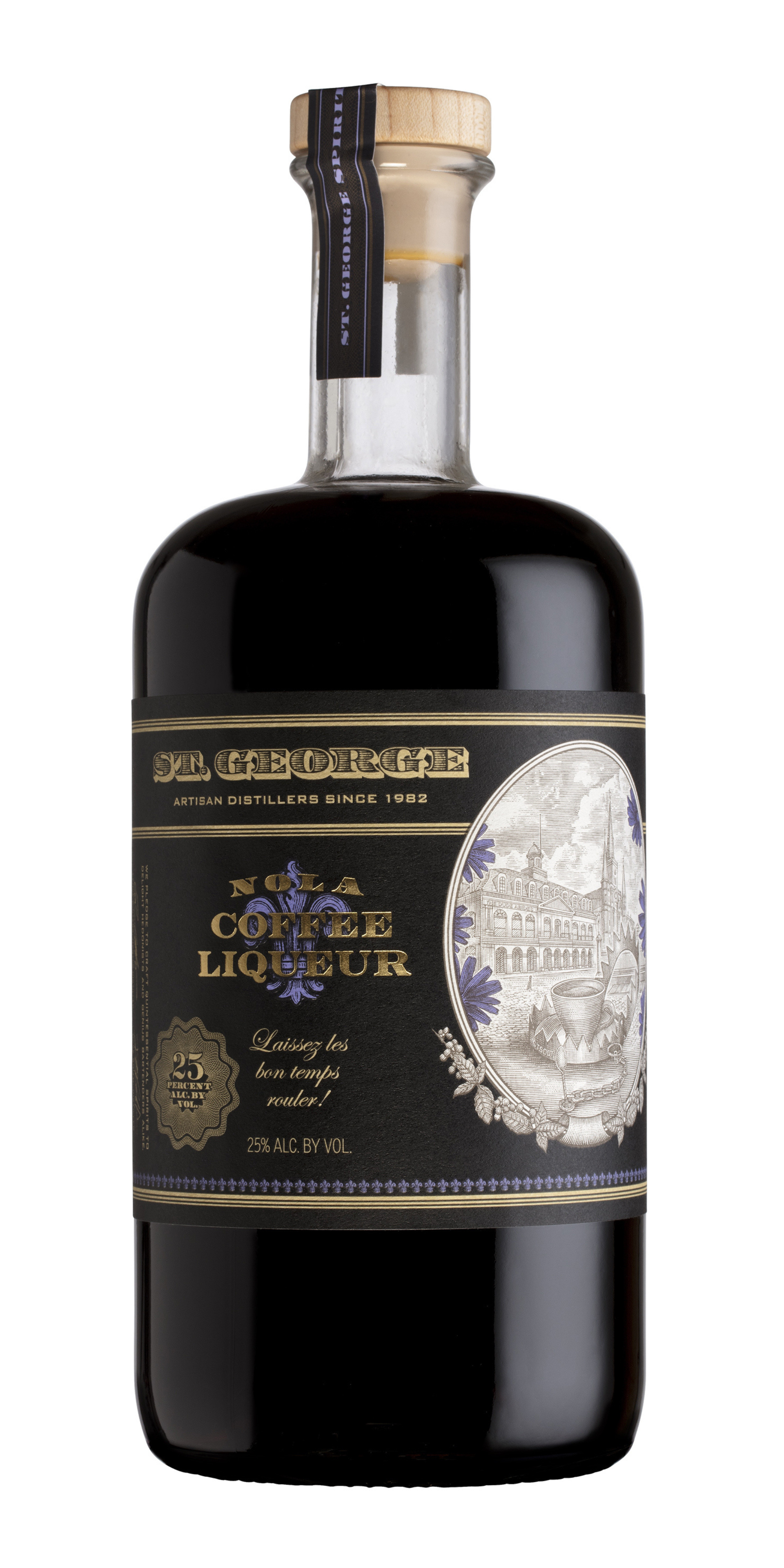 Alameda’s St. George takes their coffee liqueur in a novel direction, finding inspiration in New Orleans-style coffee. Produced using Yirgacheffe, an arabica coffee from Ethiopia, NOLA features vanilla bean and chicory—a plant with roots that are dried, roasted, and used in place of, or as an additive to, coffee. This opulent liqueur balances the warming notes of sweet vanilla with the earthy, nutty bitterness of chicory while subtle lactic notes of dried milk powder on the finish give extra dimension to Espresso Martinis, especially those made with fresh espresso.
- Made with Ethiopian Yirgacheffe coffee beans
- Botanicals include French-roast chicory and Madagascar vanilla beans
- Coffee beans are locally roasted to varying roast levels by Jewel Box Coffee Roaster then cold-macerated at the distillery; chicory and vanilla are macerated in the resulting infusion
- Sweetened with organic cane sugar
- 25% ABV
Forthave BROWN Coffee Liqueur
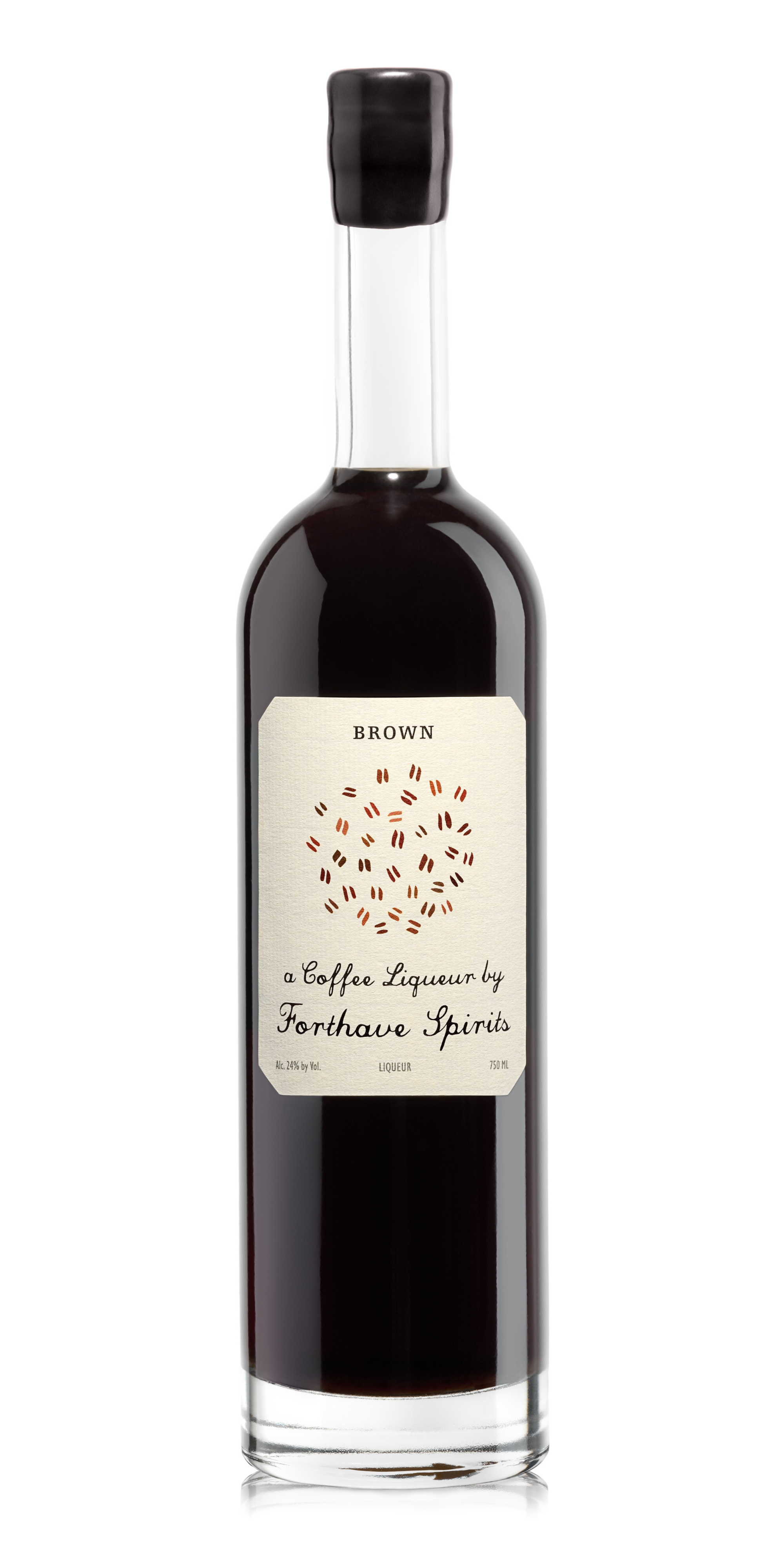 Brooklyn-based Forthave Spirits’ BROWN is a single origin, vintage-driven coffee liqueur featuring beans sourced from a handful of growers and roasted in collaboration with a local roaster. This beautifully nuanced expression is made from a blend of cold brew coffee and coffee-infused spirit—both of which extract different soluble compounds at different rates. The range of flavors captured between these two macerations ensures an exemplary classic Espresso Martini every time. Minimal sweetening provides even greater freedom to riff and explore within the template—try a regal shake with a bit of orange peel in the tin and/or add a half ounce of vanilla liqueur.
- Single origin coffee beans sourced from Nicaraguan grower Octavio Peralta
- Coffee beans roasted by Café Integral in Brooklyn, New York
- Produced using organic, non-GMO sugarcane spirit from Brazil
- Utilizes both cold brew extraction and ground bean maceration in spirit
- Sweetened with organic turbinado sugar
- 24% ABV
Bandarful Coffee Liqueur
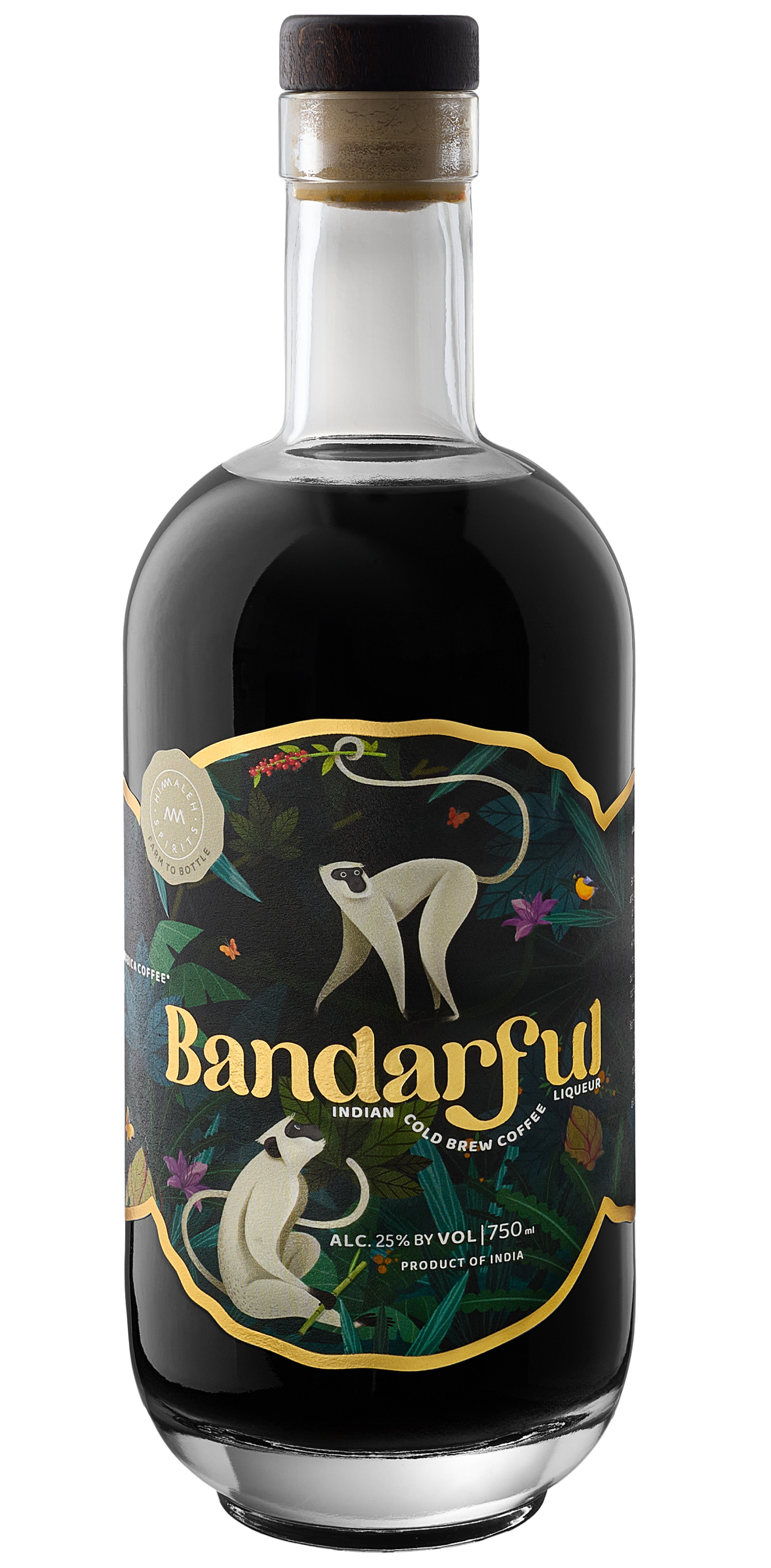 One of the latest additions to Skurnik’s lineup of coffee liqueurs comes from India’s Himmaleh Spirits—the same folks who bring us Jin Jiji. Bandarful is the distillery’s celebration of India’s oldest coffee growing region, Chikmagalur, and is made from cold-brewed, medium-dark roasted arabica beans that are processed using three different methods: washed, naturally dried, and honey processed. This one is best complemented by espresso for a dynamic Espresso Martini, but cold brew coffee harmonizes with the softer notes of this low-acid liqueur, making for a silky-smooth expression.
- Produced using medium-dark roasted Arabica coffee beans sourced from the Chikamagular region of India
- Coffee is cold-brew macerated in Himalayan spring water
- Base spirit is copper pot distilled from 100% rice locally sourced from the Kumaon region
- After the coffee and spirit are combined, the blend is sweetened with muscovado cane sugar
- 25% ABV
Về Để Đi Cold Brew Coffee Liqueur>
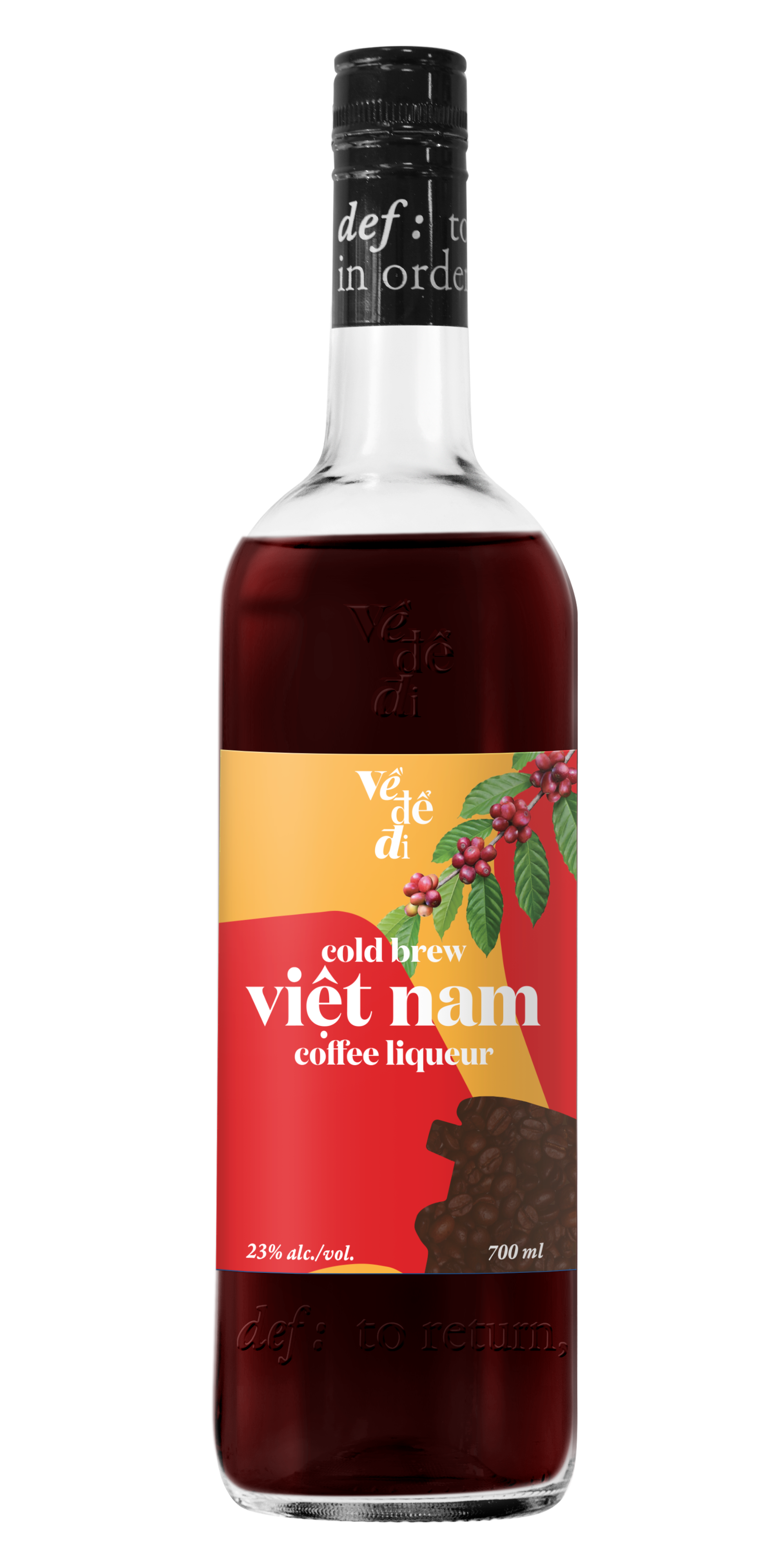 Produced in Hanoi, Vietnman, Về Để Đi’s cold brew coffee liqueur uses a blend of arabica and robusta coffee sourced from Vietnam’s Central Highlands where iron-rich, red basalt volcanic mountain soil and highland elevations offer ideal conditions for cultivation. This is a true coffee-lover’s liqueur with no added botanicals—just a vivid spectrum of coffee flavor that makes for a riveting Espresso Martini. With a nostalgic underlying note of Cinnamon Teddy Grahams, this one also shines when using cold brew concentrate.
- Produced using 70% arabica and 30% robusta coffee beans locally sourced from Vietnam’s Central Highlands
- Base spirit column-distilled from locally sourced Vietnamese Red River rice
- Coffee beans are ground and macerated separately in water and rice spirit before blending
- Sweetened using locally sourced sugar from Nghe Anh
- 23% ABV
Santa Maria al Monte Caffe Ligure
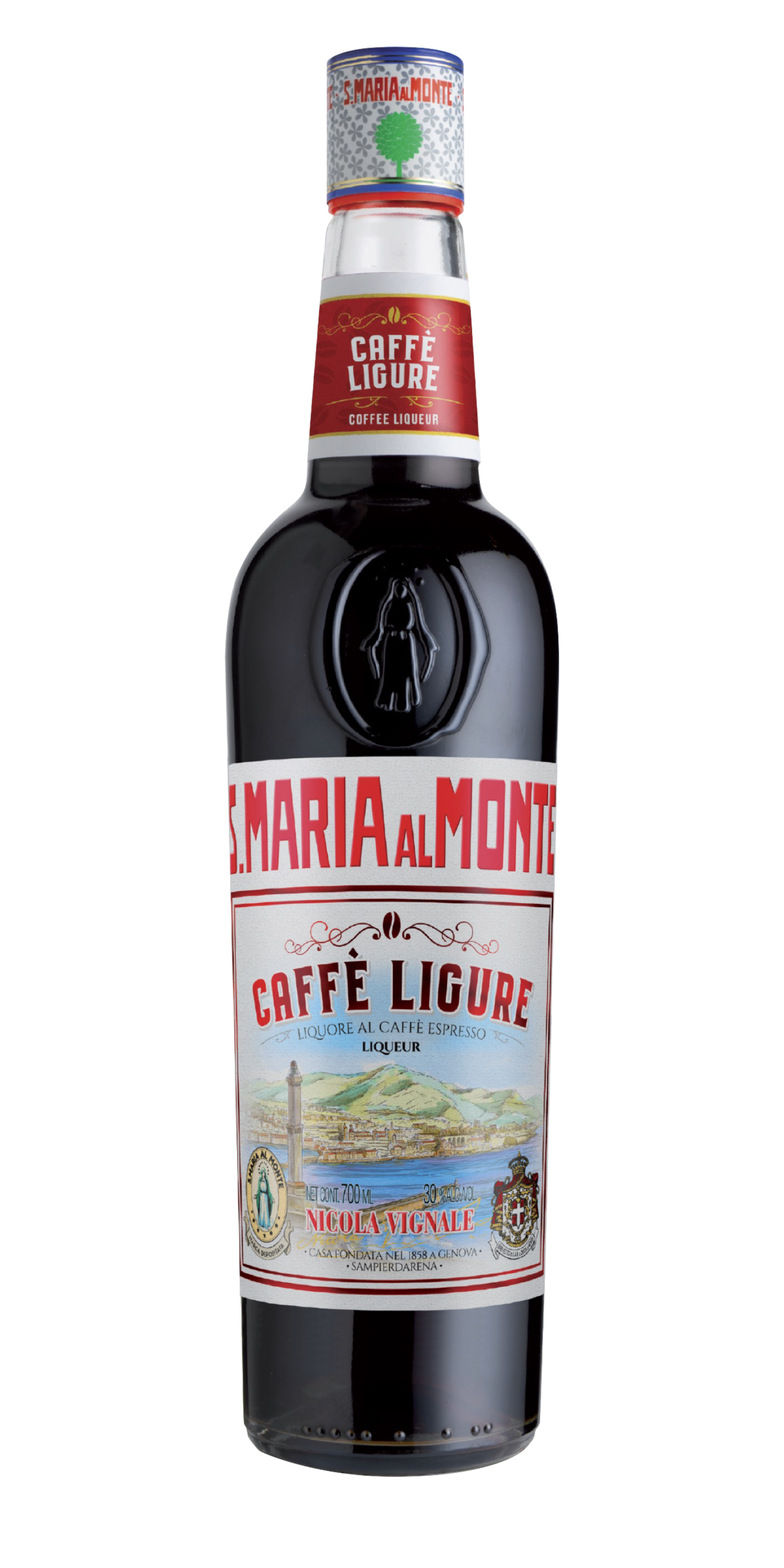 Produced by Gruppo Caffo in Taranto, Italy, Caffe Ligure is made from a blend of arabica and robusta coffees and flavored using vanilla bean and cacao. Brimming with inviting aromas of rich chocolate, vanilla, and marshmallow, this flavorful liqueur straddles the line between coffee liqueur and amaro. Caffe Ligure makes one of our favorite Espresso Martinis—robust, decadent, and complex. Alternatively, you can omit the vodka, espresso, and syrup entirely and serve this as a Shakerato—simply shake a 2–3-ounce pour of Caffe Ligure vigorously with ice, strain, and serve it up in a coupe as you would an Espresso Martini.
- Made primarily with arabica coffee with the addition of some robusta; coffee sourced from Ethiopia, Honduras, Brasil, and Uganda
- Coffee beans are roasted in Calabria in small batches by a local artisanal roaster
- Roasted coffee beans are macerated in hot water, and the infusion is blended with vanilla, cocoa, neutral grain alcohol, and sugar beet sugar
- 30% ABV
Paranubes Café de Olla Coffee Liqueur
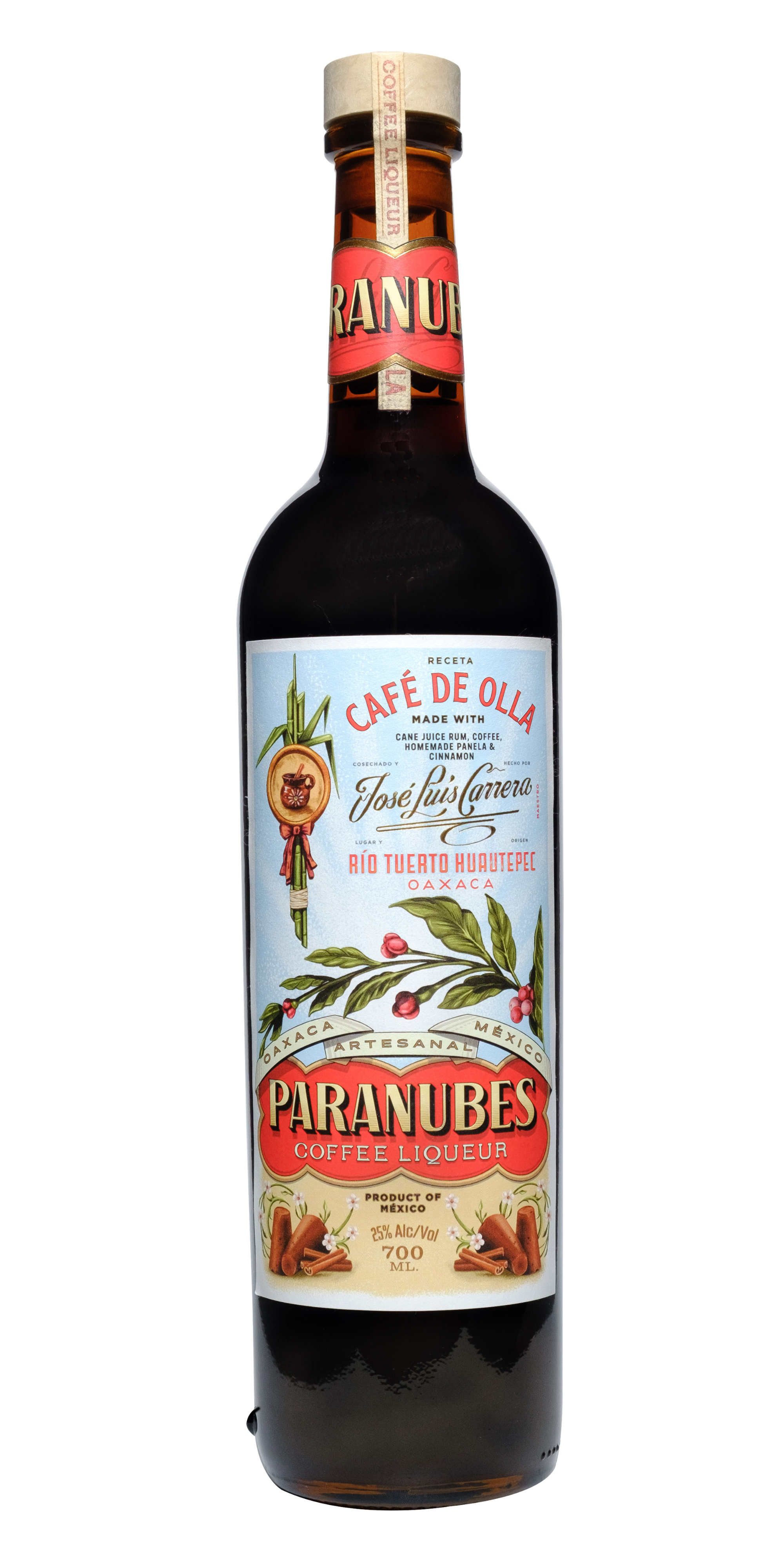 Paranubes’s coffee liqueur is a modern interpretation of cafe de olla, a Mexican culinary staple typically prepared by boiling coffee, sweetening it with raw sugar, and aromatizing it with cinnamon. Produced using estate-grown coffee, fortified using rum distilled from estate-grown sugarcane, and sweetened using estate-grown and processed panela sugar, Paranubes ups the ante by bolstering the spice profile with local spices to add an extra kick that straddles the line between traditional coffee liqueur and a coffee-based amaro. You can’t go wrong with this one no matter what your choice of coffee may be, and in fact, this liqueur makes a wonderful Shakerato—simply shake a 2–3-ounce pour of Café de Olla vigorously with ice, strain, and serve it up in a coupe as you would an Espresso Martini.
- Produced using estate-grown Tipica, Bourbon, and Caturra coffee grown by Paranubes Maestro Destilador José Luís Carrera
- Coffee is lightly roasted and cold brewed
- Base spirit of unaged rum distilled from sugarcane juice
- Locally sourced cinnamon, vanilla, chilhuacle chile, sarsaparilla, cacao husk, and allspice are macerated in rum for 30 days
- Cold brewed coffee and infused rum are blended and sweetened using raw panela sugar
- 25% ABV
Okay, so maybe bartending isn’t your thing. Or maybe you’re hosting a party and don’t want to spend all your time churning out cocktails. Maybe this article was too long to read, and you’ve skipped to the end. Whatever the reason, we’d love to introduce you to three canned, ready-to-drink Espresso Martinis!
Golden Rule Espresso Martini
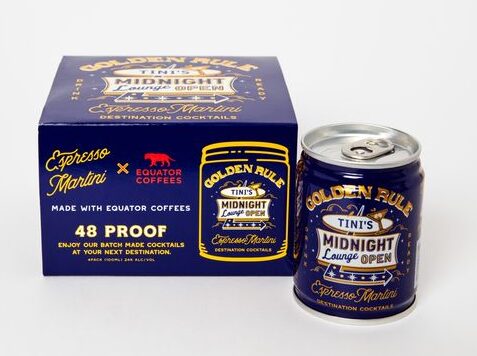 Golden Rule’s Espresso Martini hits hard with a medium-roast espresso sourced from B Corp-certified Bay Area roaster Equator Coffees and a coffee liqueur produced in-house. Brimming with notes of cold brew coffee, warm chocolate, and fresh cream with hints of cinnamon and chicory, this lively cocktail is best served by simply shaking hard and pouring into a coupe to fully experience its aromatics.
Supergay Spirits Two Fruits Espresso Martini
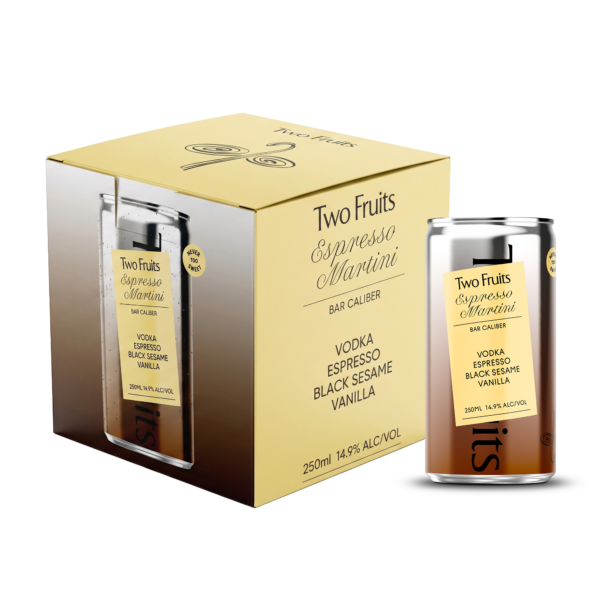 Produced using single origin arabica coffee from Honduras, this nuanced Espresso Martini (a blend of caffeinated and decaffeinated coffee) highlights the softer, fruitier side of the coffee bean, which is handsomely complemented by the nutty savoriness, subtle roasted flavor, and creamy texture of black sesame paste. Shake the can before opening for that classic, frothy head, or dress up the presentation with a quick whip shake in a cocktail tin with ice for full effect.
Lyvely Drinks Espresso Martini
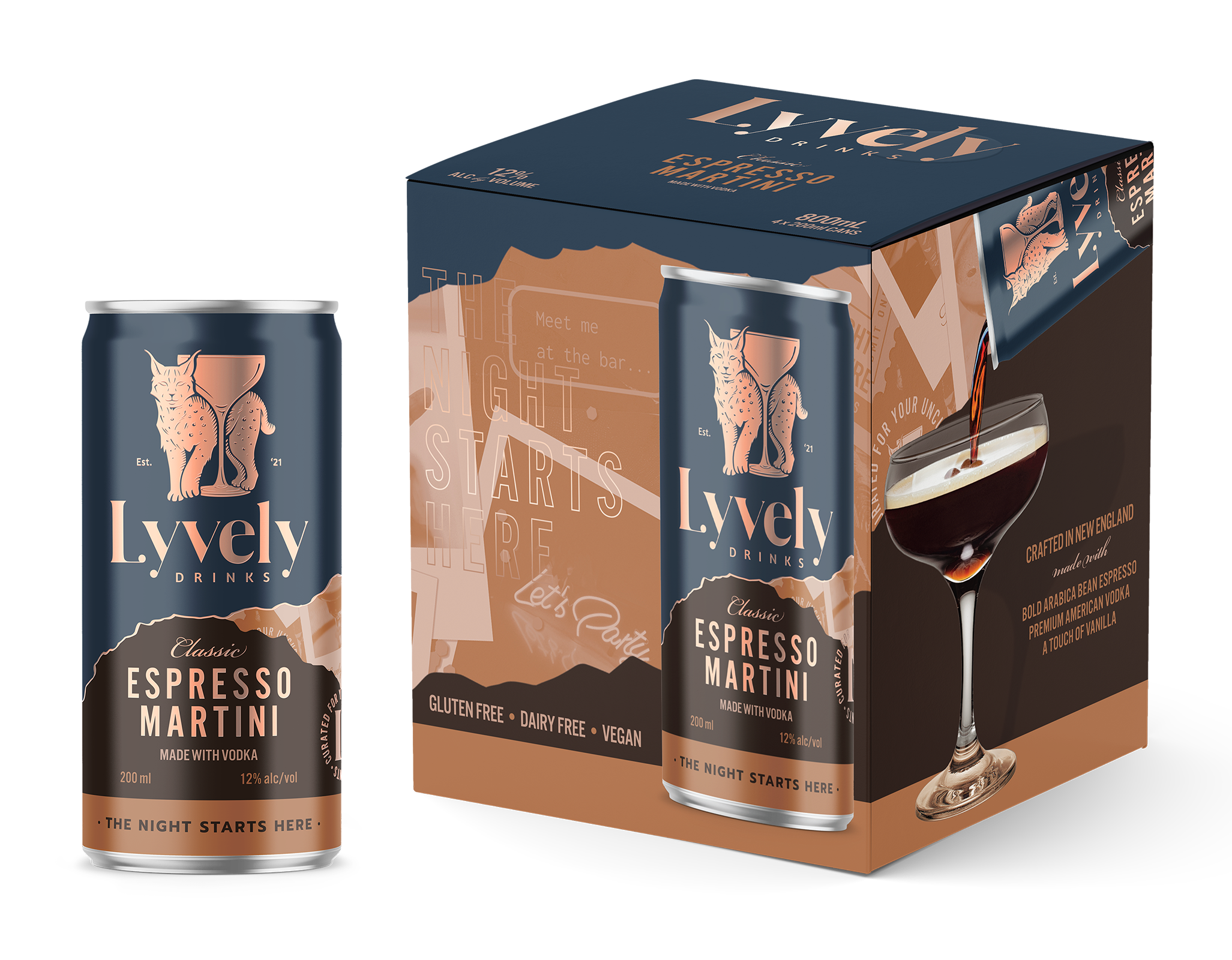 Made using cold-brewed Costa Rican arabica coffee, Lyvely’s flagship RTD combines high-quality ingredients with a nitrogen gas infusion to produce a cocktail-in-a-can that tastes even better than the sum of its carefully sourced parts. The nitro infusion lends a distinctive, foamy head—plus rich texture with fine bubbles—to a cocktail that is already dangerously chocolatey; be sure to serve this beautifully balanced drink very cold and shake well before opening.