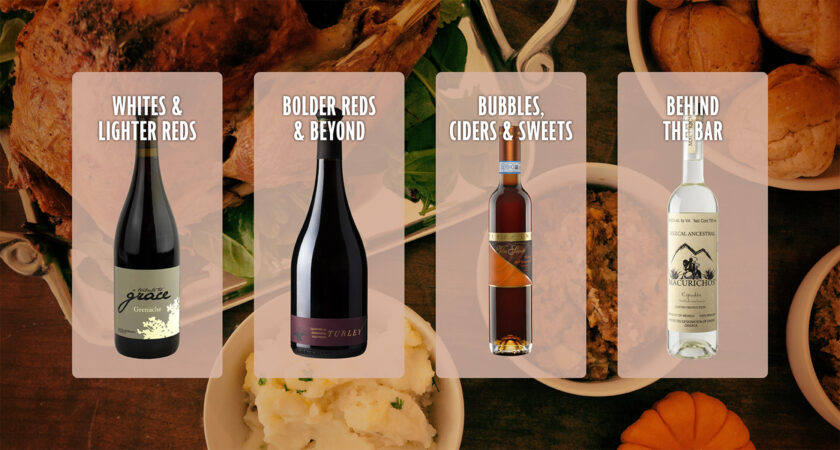
I think we can call it. Thanksgiving tables have officially become more than just basic turkey and mashed potatoes with gravy in recent years. And while the debate over canned vs. fresh cranberry sauce still goes on—though the correct answer is clearly canned—every tandoori turkey, pumpkin risotto, or apple pie mac and cheese presents a new opportunity to try even more creative pairings this year. That’s why we’ve picked the broadest range of libations yet for our 2026 Thanksgiving wine, sake, cider, and spirit recommendations. Enjoy in happiness and good health.
Whites & Lighter Reds: For versatile, food-friendly bottles that won't overpower the meal.
 |
|
|
- 100% Ligurian Rossese Bianco grapes from ungrafted and own-rooted vines, with plants dating from the 1700s
- Once among the finest crops in Liguria, Rossese Bianco dates back to the pre-modern era, but it was abandoned in favor of more productive grape varieties
- The Anfosso family is currently the only owner of ungrafted, pre-phylloxera vines and is the only producer of Rossese Bianco from vines over a hundred years old
- Harvested from clay-limestone soils from vines located in Soldano and San Biagio della Cima (less than 0.25 hectares)
- Vines are trellised in the Alberello method
- Approximately 96 hours of skin contact at low temperature in stainless steel before fermentation
- Once the juice is drawn off the skins, fermentation begins and lasts about one month
- The wine ages 12-15 months in 500L untoasted acacia casks and then additional 3 month in bottle
- Production varies from 500-1400 bottles per year
|
 |
|
|
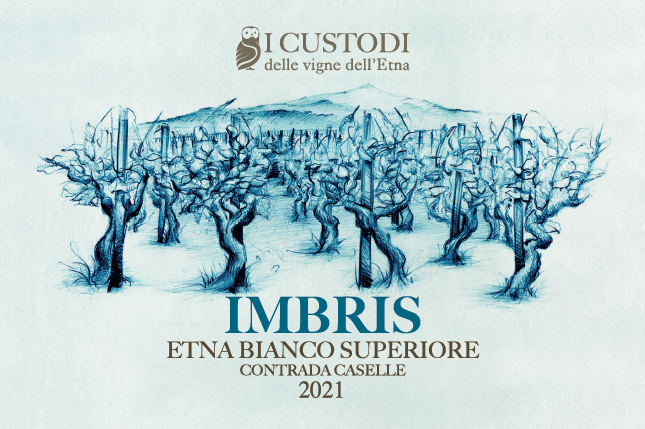
- 100% Carricante from the Etna Bianco Superiore DOC
- Produced from young vines within the Contrada Caselle in Milo on the eastern slope of Etna
- 840 meters above sea level with eastern exposure
- 15 year-old vines
- Sandy, volcanic soils, very rich in minerals, with subacid composition
- Harvested by hand at the end of September, the whole clusters are gently crushed
- Spontaneous fermentation takes place at a low temperature in stainless steel with aging in stainless steel for 18 months
- Additional aging in bottle for 24 months prior to release
- Approximately 267 cases produced annually
|
 |
|
|
- Variety: Sauvignon Blanc
- Region: Podravje
- Vineyard: Ried Ciringa
- Soil Type: Coral limestone
- Fermentation & Élevage: Spontaneous fermentation, élevage for 20-32 months in large, used oak barrels and then an additional 12 months in stainless steel
- Farming: Certified Organic
The Fosilni Breg Reserve is a cask selection of the three strongest and most distinctive casks. These casks are kept for an extra year on the full lees before being racked and aging for almost another year in stainless steel.
|
 |
|
|
- Practicing Organic
- 100% Gamay
- 50+ year old vines
- Vines from Les Côtes de la Roche just west of Juliénas in the hamlet of Jullié
- 350+ meters in altitude and on a clear day you can see Mont Blanc!
- High density planting: 10,000 vines/ha
- Steep slopes of crushed granite, blue stones – with the bedrock very close
- Semi-carbonic vinification in large upright wooden barrels
- Aged in stainless steel
- There are many terroir parallels between Jullié and Juliénas. This is a character-rich, expressive Gamay from just outside of Beaujolais’ band of “cru” villages. Certainly one of the finest values for serious quality anywhere; floral, aromatic and full of intensely layered red fruits.
|
 |
|
|
- 100% Cinsault
- Sourced from 4 granite vineyards in Guarilihue Alto
- Hand harvested
- 100% whole cluster fermentation with indigenous yeast in oak tanks at low temperatures for 15 days
- 12 days of maceration
- Aged for 1 year in concrete and large oak casks
|
 |
|
|
- 100% Pinot Noir
- Sourced from four vineyards in the Bannockburn subregion
- The nature of being a gravity flow winery allows grapes to be gently destemmed without pumping
- 20% whole cluster fermentation
- Native yeast fermentation
- Aged for 13 months in French oak (25% new)
- No fining or filtering
|
 |
|
|
- Variety: Pinot Noir
- Region: Baden
- Vineyard: Feuerbacher Talrain
- Soil Type: Limestone and iron-rich clay
- Fermentation & Élevage: Large, traditional wood barrels
Feuerbacher Talrain:
The single non-local vineyard, Hanspeter is super stoked by the site, which is a half-hour away on the lower hills of the Black Forest, on limestone layered with iron-rich clay, in a strikingly high elevation of almost 2,000 feet.
|
 |
|
|
- Practicing Organic
- 100% Grenache
- Sourced from 3 sites in Santa Barbara County
- Santa Barbara Highlands Vineyard (Sierra Madres Mountains)
- 3,200 ft. elevation
- Vie Caprice Vineyard (Los Olivos)
- Densely planted 5′ x 4′
- New source from Mt. Refugio for the Grace lineup
- 84% whole-cluster fermentation
- Aged 12 months elevage in neutral French 220L and 500L puncheon
- 14.3% abc
|
Bolder Reds & Beyond: For richer dishes, darker fruit, savory flavors, and guests who prefer more structure.
 |
|
|
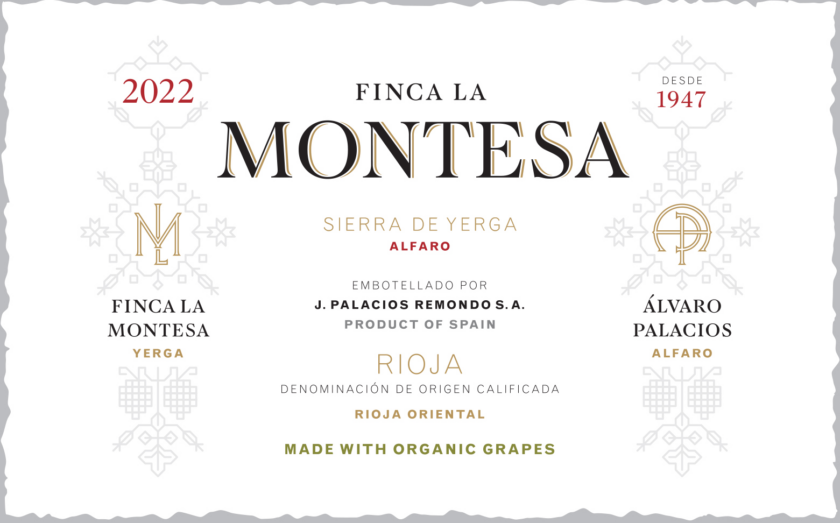
- Certified Organic
- 94% Garnacha with 6% of Bobal, Moristel, Garnacha Roja, Tinto Velasco, and other varieties
- Sourced from vineyards located at 550m above sea level in Alfaro on a heterogenous mixture of sand, iron-rich clay, and alluvial stones over a substrate of limestone
- Older vines for the cuvee are 40 years old in cordon doble, but significant amounts of younger vines (15 y-o) for this cuvee were planted en vaso (goblet)—Álvaro is one of the only people in Spain capable of new plantings in this training style
- Hand-harvested and fermented with native yeast in stainless steel before refinement in barrique for 12 months—85% French and 15% American
- 100% estate-owned fruit
|
 |
|
|
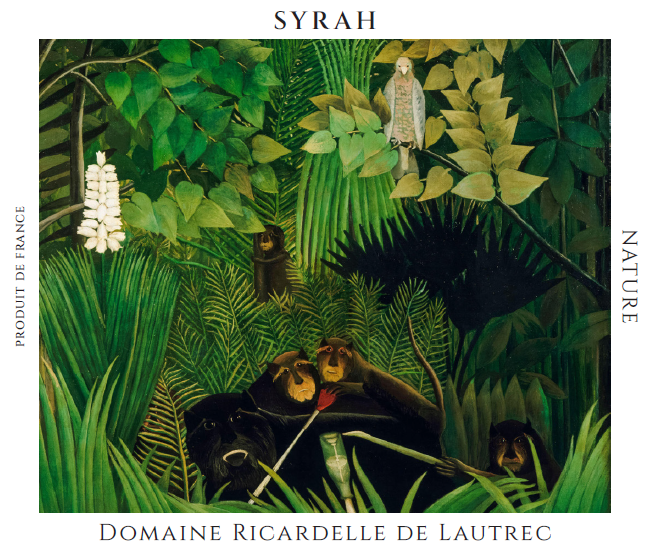
- Certified Demeter biodynamic
- 100% Syrah
- Terroir of rounded pebbles over clay and limestone
- 40+ year old vines
- Ambient yeast fermentation
- Whole cluster carbonic maceration in stainless steel
- Aged in concrete
- Zero SO2 added
- 12% alc. by vol.
|
 |
|
|
- 100% Nebbiolo from vines in Guarene first planted in 1994 with a small portion replanted in 2015
- 40% Nebbiolo Rose clone, giving perfume and elegance to this entry level Nebbiolo
- Sandy soils mixed with some limestone imbue softness and approachability
- Maceration on the skins for 6 days in stainless steel
- Ages 6-7 months in large, mostly neutral French oak casks coopered in Austria
- First produced in the 2000 vintage
- 5,000 cases produced annually on average
|
 |
|
|
- Certified Regenerative Organic
- 62% Zinfandel, 19% Carignan, 10% Mataro, and 8% from 20+ other varietals in the field blend (Syrah, Petite Sirah, Tempranillo, Trousseau, Castets, Cabernet Sauvignon, Merlot, Alicante Bouschet, Grand Noir, Lenoir, et al.)
- Sonoma Valley AVA
- Vines planted in 1888
- Elevage 10 months in 28% new oak, the rest neutral oak
- Native Yeast Fermentation
|
 |
|
|
- Practicing Organic
- 95% Zinfandel, 5% Mataro, Alicante Bouschet, Petite Syrah, Grenache, Cinsault
- Number of vineyards: 20+
- Vine age: 50 to 130 years old
- Vineyards located in: Napa, Sonoma, Mendocino, Lodi, Contra Costa, Amador, and Paso Robles
- Average age of vines: 89 years
- Fermentation: 100% native yeast
- 12 months in barrel, 80% French oak, 20% American (overall only 10% new oak)
- Bottled sulfur: 10 mg/L free, 67 mg/L total
- Unfined
- 15.2% Alc
|
Bubbles, Ciders & Sweets: For celebratory pours, dessert, and the end of the meal.
 |
|
|
- 85% Sauvignon Blanc & 15% Roussanne
- Keermont’s vineyard team use pliers to pinch the stem of the bunches when the grapes are at optimal ripeness
- Hand harvested
- Fermented with indigenous yeast in Hungarian and French oak barrels
- Aged for 18 months in these same barrels
- Only 2566 bottles produced
|
 |
|
|
- A Touriga Nacional-based blend of traditional Douro red varieties, grown on schist-sandstone soils at 600 meters of elevation
- Tawny port is a style marked by the oxidative characteristics of long aging in oak barrels
- Casks of different years are then blended to achieve the desired age character – in Kopke’s case, the age on the label is the average age of all the wines in the blend
- Wines labeled with average age of the blend (50 year) are commonly referred to as “Statement of Age” Tawny.
|
 |
|
|
- 100% Lambrusco Grasparossa di Castelvetro harvested from the Passanello vineyard, located between Vignola and Castelvetro
- Planted in 1978 on 7 hectares of red clay/silty soils in Savignano sul Panaro
- South/West exposure located at 280 meters above sea level
- Harvested by hand and destemmed
- 3 day fermentation/maceration at cool temperatures to maintain aromatics
- Secondary fermentation occurs in autoclaves over a period of 40-50 days
- Residual sugar: 6 g/L
- Approximately 6000 cases produced annually
|
 |
|
|
- San Colombano, Trebbiano Toscano, Malvasia bianca grapes from vines planted in the early 1970s
- Loamy clay soils
- Harvest mid-September and left to dry on straw mats until January following the harvest
- Ferments in 50 to 100 liter casks of chestnut, oak, cherry, acacia and mulberry where it remains for no less than five years.
- Rested in the bottle for at least six months before release
- Average annual production 165 cases
|
 |
|
|
- Sparkling perry (cider made from pears) produced by Didier Lemorton at La Baillée Fétu in Mantilly, France
- Made in the Domfrontais Calvados appellation of Normandy
- Made from 100% Plant de Blanc pears fermented partially on the lees
- Bright and refreshing sans the farmhouse funk found in some expressions, fresh pear and light citrus make for effortless enjoyment
- 4% ABV
|
Large Formats: For bottles made for sharing.
 |
|
|
Brewery: Matsuura Shuzo • Prefecture: Ishikawa• Rice: Hyogo grown Yamada Nishiki milled to 55% • Yeast: Kanazawa #1 • Water: Soft well water • Sake Meter Value: -1 • Acidity: 1.64 • ABV: 15.5%
- A soft, elegant and lightly fruity Junmai Ginjo with subtle sweetness.
- Extremely versatile for pairing but the maker particularly recommends it with delicate seafood like fluke, squid and seabream.
- With lighter flavors the sweetness of the sake recedes and becomes crisp and dry, and with richer flavor the umami blooms and expands.
- Light sweetness provides an excellent contrast to vinegared dishes or ponzu dipping sauce.
|
 |
|
|
- 100% Nebbiolo from the Basarin vineyard in Neive, on the border with Treiso
- Declassified Barbaresco from young vines, about 25-years-old
- Fermentation and maceration on the skins for 25 days with indigenous yeasts
- Aging 6-8 months in cask, where it completes malolactic fermentation
- No filtering/no fining
- 2,000 cases produced annually
|
 |
|
|
- Cultivated organically
- 90% Sangiovese, 10% Canaiolo
- From 15-40 years old vines planted in the Ciarliana and Cervognano crus, rich in tuff and clay
- from 250-350 meters above sea level
- Fermentation with indigenous yeasts in temperature-controlled stainless steel
- Maceration on the skins for 15-25 days with pump-overs
- Aged in 33-50 hectoliter oak casks for 18 months and cellared in the bottle for a minimum of 1 year before release
- Approximately 10,000 cases produced annually
|
Behind the Bar: For seasonal cocktails and festive pours to kick off the holiday or round out the evening
 |
|
|
- Mezcal produced in Santiago Matatlán, Oaxaca
- Maestro Mezcalero Valentin Martínez Sernas
- Made from 100% Espadín (Agave angustifolia) matured between 6–12 years
- Cooked in conical earthen pit oven using pine and mesquite wood
- Milled using traditional horse-drawn stone tahona
- Fermented in Encino oak vats (tinas) using proprietary well water
- Distilled twice using a traditional clay pot Filipino still
- The second distillation sees the addition of fresh Oaxacan cacao made by Gonzalo’s sisters
- Rested 21 months in glass
- Hot cocoa on the nose; the palate is graceful and light on its feet with pink peppercorn, jasmine, and herbs; light but pronounced smoke gives a mature backbone to the notes of cacao and the finish is salty and earthy
- 48.8% ABV (ABV may vary batch to batch)
This one is all about family. Macurichos is produced by the four Martínez Sernas brothers and their nephew, Valentín; meanwhile, at the same palenque, the family’s three sisters produce their own Oaxacan chocolate brand using a combination of cacao grown by the family and sourced from their partners in Chiapas. For this incredible mezcal, young Valentín, during the second distillation in a clay pot still, combines the mezcales he and his uncles distill with the cacao made by his mother and aunts. A truly remarkable, gracefully integrated spirit, nearly impossible not to love.
|
 |
|
|
- Apple-flavored whiskey produced by Leopold Bros in Denver, Colorado
- Made using a variable blend of apple varieties grown in New York State
- Apples are milled and juiced, and the juice is blended with 4-year-old Leopold Bros whiskey
- Whiskey distilled from a mash bill of 65% corn, 20% floor-malted barley, and 15% rye
- The whiskey and apple juice are blended and matured for 2 months in ex–Leopold Bros bourbon barrels
- Non-chill filtered; 40% ABV
Leopold Bros’ New York Apple Whiskey is produced by blending their own copper pot-distilled whiskey with fresh apple juice from New York-grown apples. The blend is matured for two months in Leopold Bros’ bourbon casks where the flavors mingle and the apple juice oxidizes, providing rich notes of dried apricot and raisin.
|
Connect with your Skurnik Wines & Spirits representative to bring these bottles to your table—or become a customer here.