


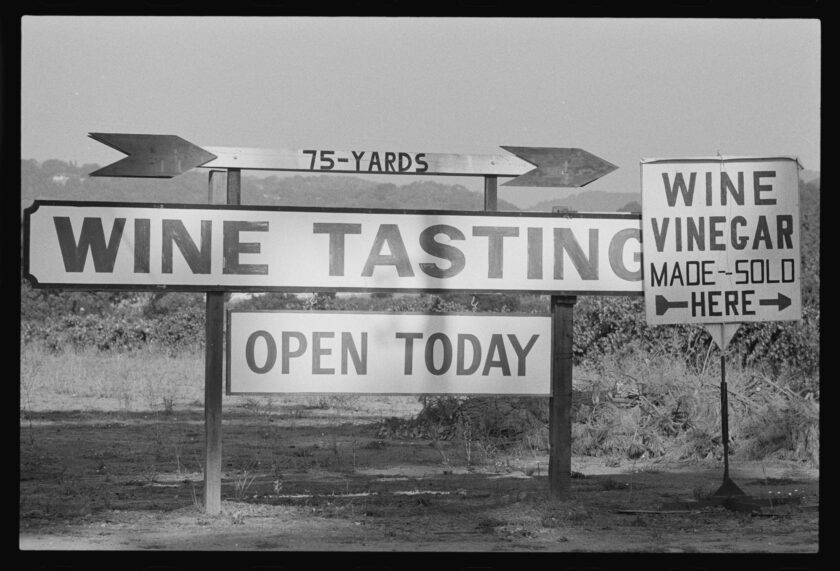
Light, Ken. Signs on Hecker Pass Highway; D’Arrigo Cactus Pear Ranch, Gilroy, California. California United States Gilroy, 1989. Gilroy, California. Photograph. https://www.loc.gov/item/afc1989022_kl_b139/.
Across the United States, a small number of vineyards have survived for generations, weathering changing tastes, economic pressures, disease outbreaks, and the relentless push of development. These historic sites are more than sources of exceptional fruit. They are living records of American winegrowing.
From century-old Zinfandel vineyards in California to pioneering cool-climate plantings in New York’s Finger Lakes, these vineyards connect today’s wines to the people and places that shaped their regions. Many continue to be farmed by the same families who have stewarded them for decades, while others have been carefully restored and preserved by a new generation of growers committed to protecting viticultural heritage.
Here are some of the remarkable historic vineyards represented throughout the Skurnik portfolio.
Bedrock Vineyard, Sonoma Valley AVA
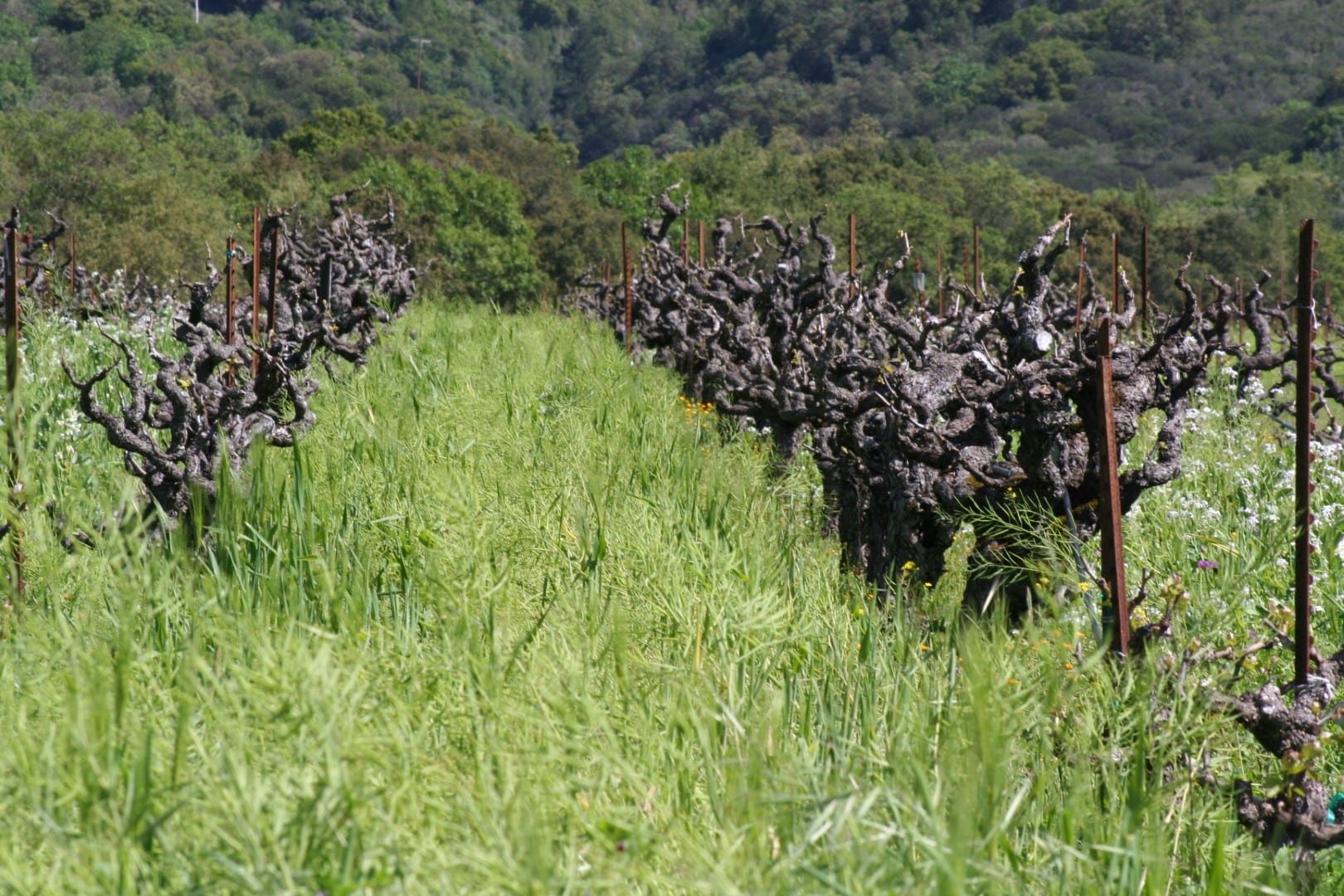
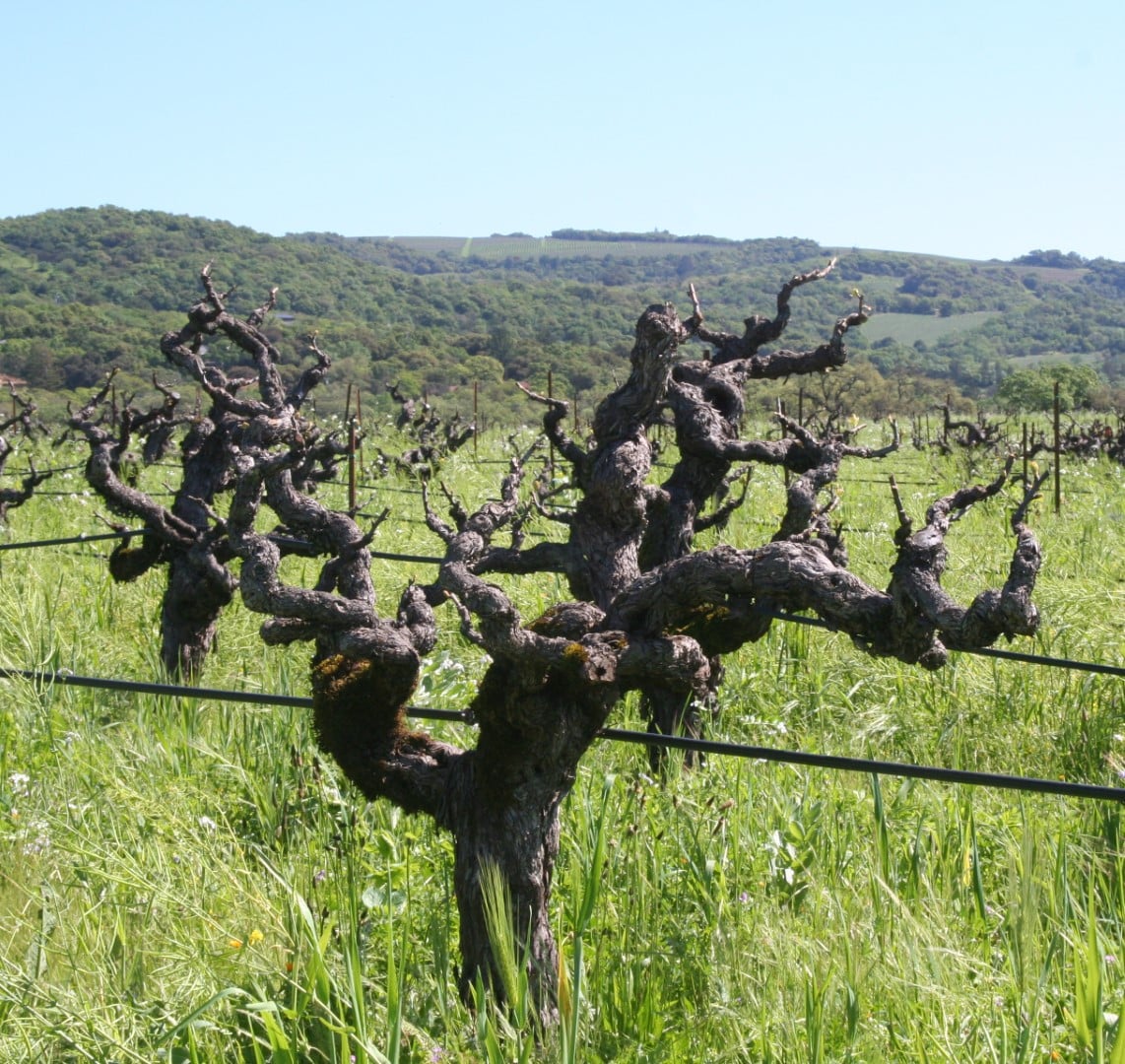
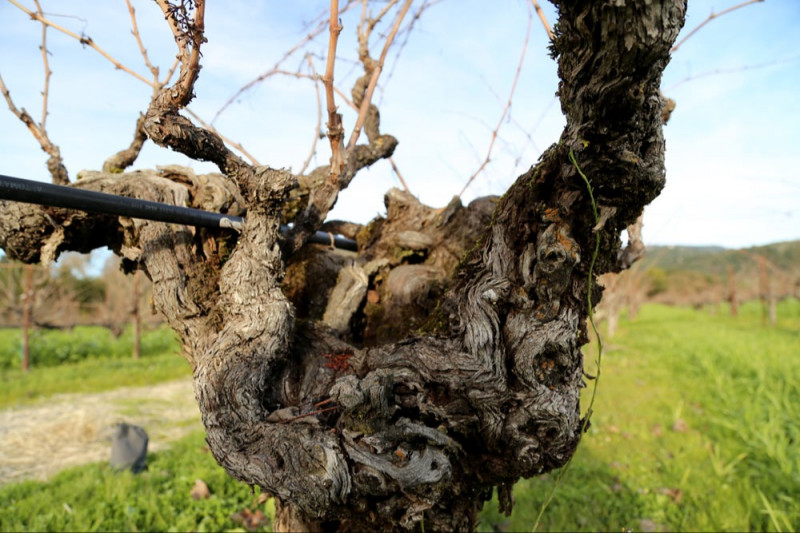
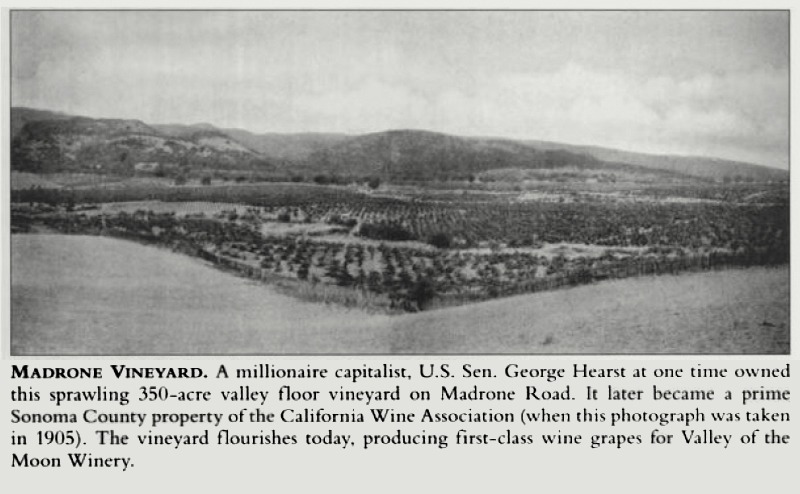
Founded in 1854 by Civil War generals William Tecumseh Sherman and Joseph “Fightin’ Joe” Hooker, Bedrock Vineyard is one of Sonoma Valley’s most historic sites. Following the phylloxera epidemic of the 1880s, the vineyard was replanted in 1888 by Senator George Hearst. Many of those original vines still survive today and form the foundation of some of California’s most celebrated heritage wines. Under the stewardship of Chris Cottrell and Morgan Twain-Peterson MW, Bedrock has become a model for the restoration and preservation of old-vine vineyards throughout California.
Bedrock Vineyard, Sonoma Valley AVA — Zinfandel, Cabernet Sauvignon, Mataro, and Carignane planted in the 1880s, used by Bedrock Wine Co., Dashe Cellars, and Robert Biale Vineyards.
Evangelho Vineyard, Contra Costa County
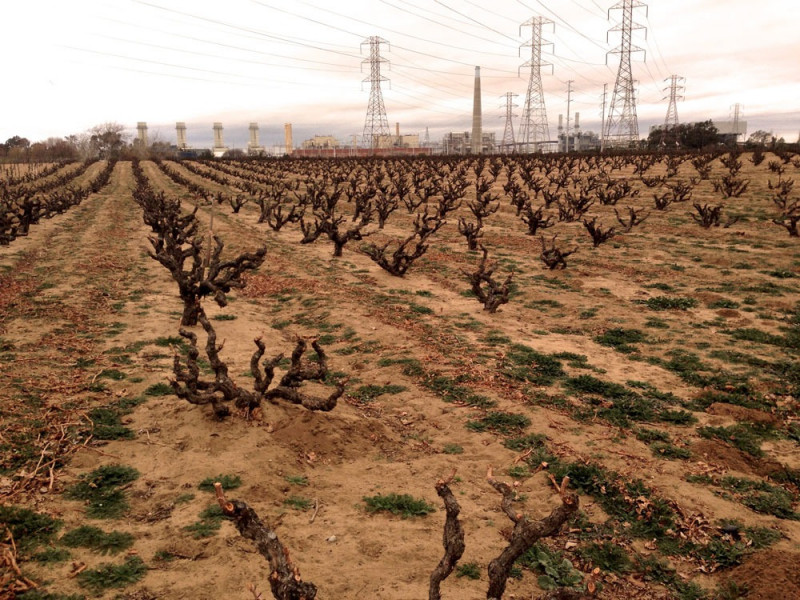
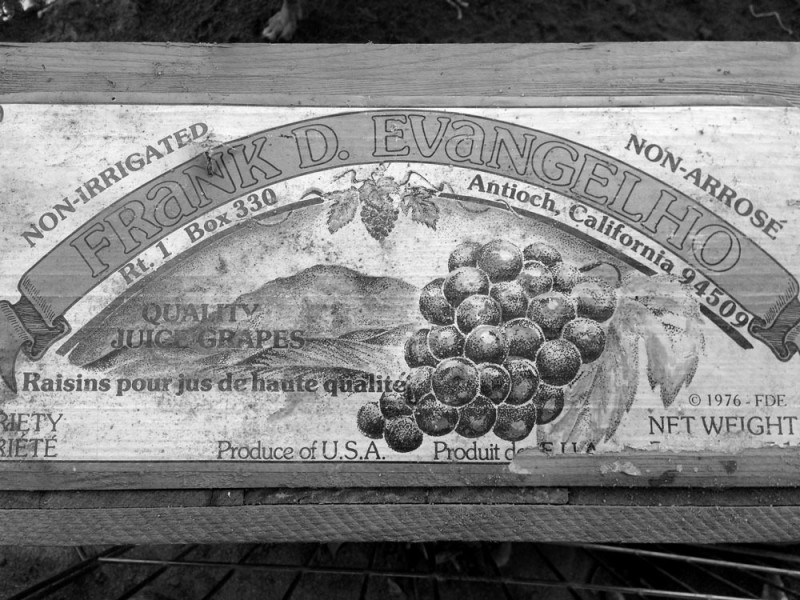
Planted in the 1890s on deep sandy soils near the Sacramento-San Joaquin Delta, Evangelho is one of California’s great viticultural survivors. The own-rooted, dry-farmed vines have been protected from phylloxera by the site’s sandy soils and continue to produce vibrant, distinctive fruit more than a century later. Surrounded by increasing development, the vineyard remains an important link to Contra Costa County’s rich agricultural history and a testament to the Evangelho family’s stewardship.
Evangelho Vineyard, Contra Costa County — Zinfandel and Carignane planted in the 1880s used by Bedrock Wine Co., Dashe Cellars, and Turley
Besson Vineyard, Santa Clara County
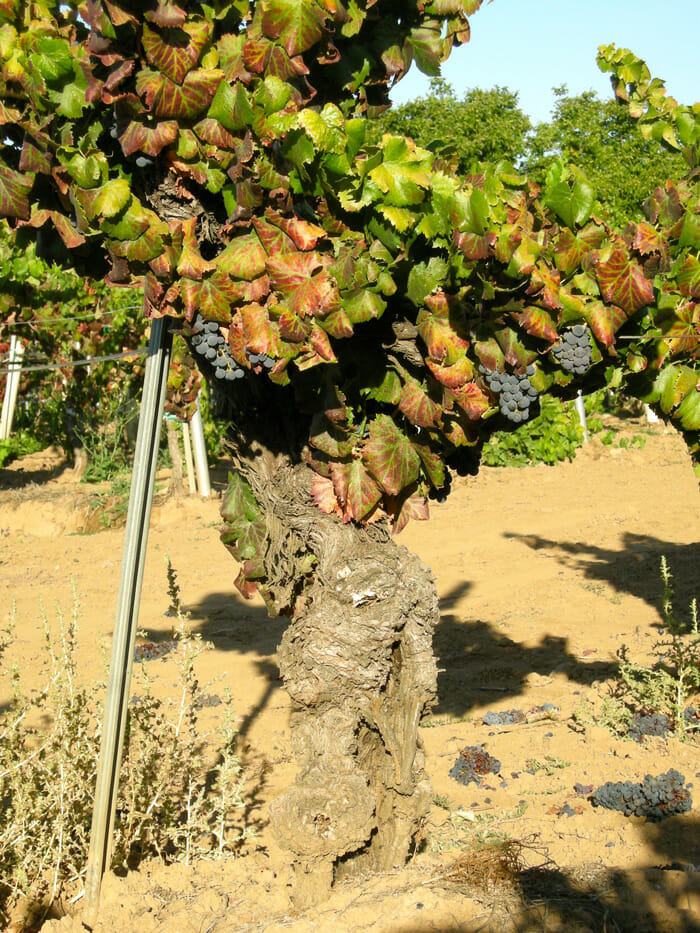
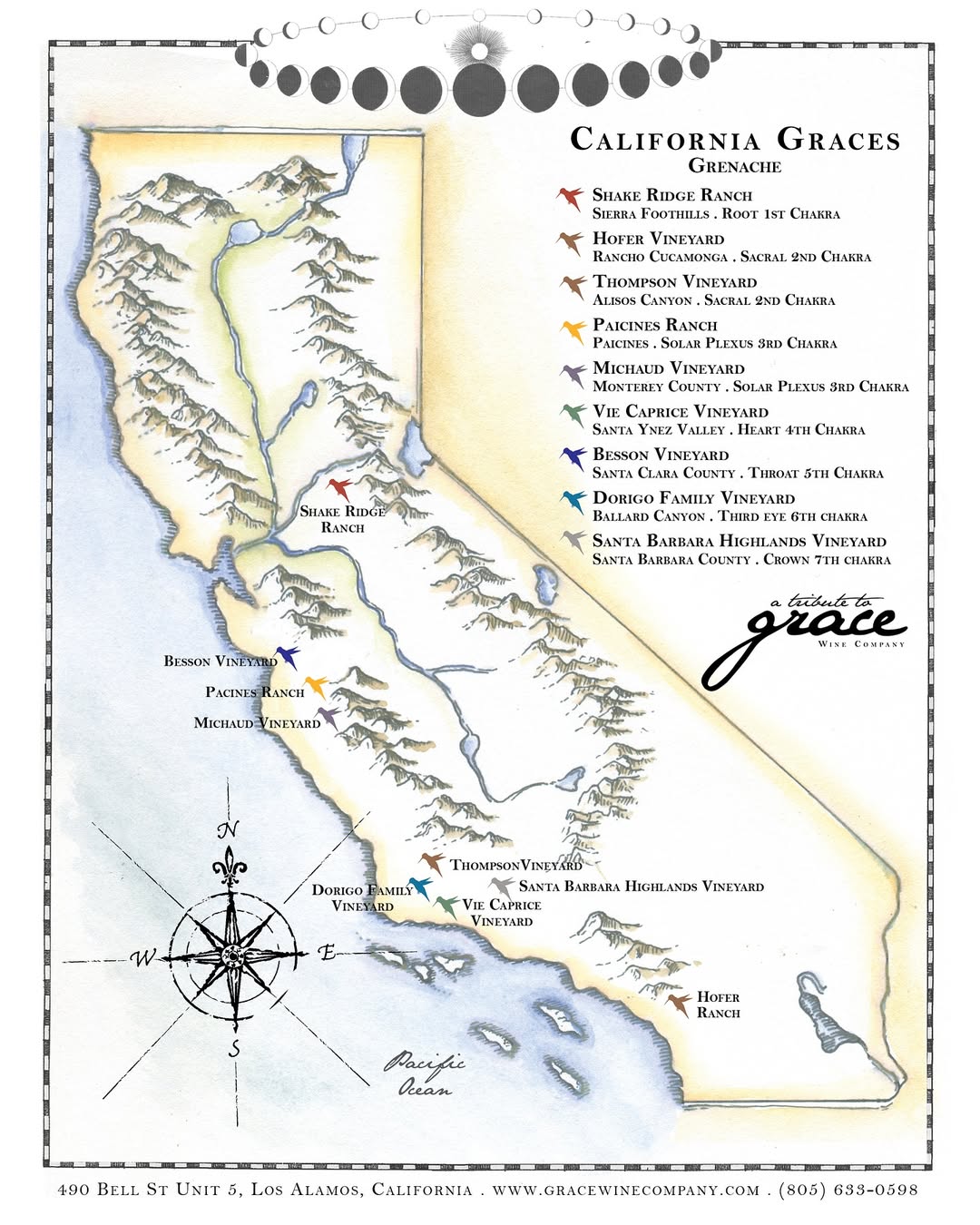
Planted in 1910 near Hecker Pass between Gilroy and the Santa Cruz Mountains, Besson Vineyard is one of Santa Clara County’s most historic sites. Farmed by the Besson family for generations, the dry-farmed, head-trained vines grow in gravelly clay loam soils and continue to thrive more than a century after planting. The vineyard gained recognition through Randall Grahm’s famed Clos de Gilroy bottlings and remains one of California’s most treasured old-vine Grenache sites.
Besson Vineyard, Santa Clara County — Grenache planted in 1910, used by A Tribute to Grace
Ricetti Vineyard, Redwood Valley AVA in Mendocino
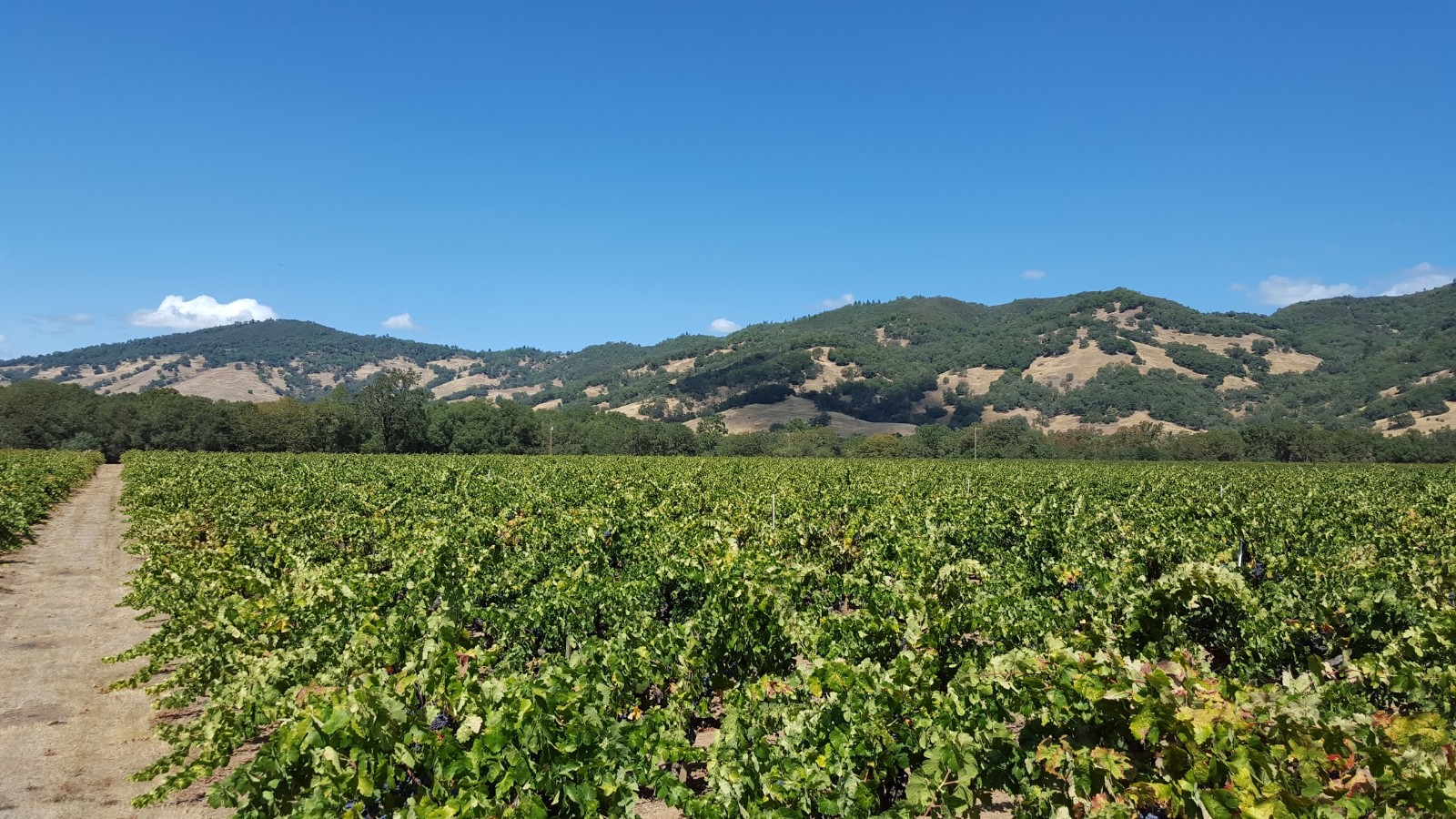
Planted in 1948 and still largely intact today, Ricetti Vineyard is a rare example of a historic mixed planting in Mendocino County. The certified organic, dry-farmed vineyard is planted primarily to Carignane, with smaller amounts of Zinfandel, French Colombard, and Valdiguié interspersed throughout the site. Owned and farmed by third-generation growers Pamela and Tom Ricetti, the vineyard continues a long family tradition of stewardship in Redwood Valley.
Ricetti Vineyard, Redwood Valley AVA in Mendocino — Carignane and Zinfandel planted in the 1940s, used by Martha Stoumen & Broc Cellars
HJW Vineyard, Seneca Lake AVA
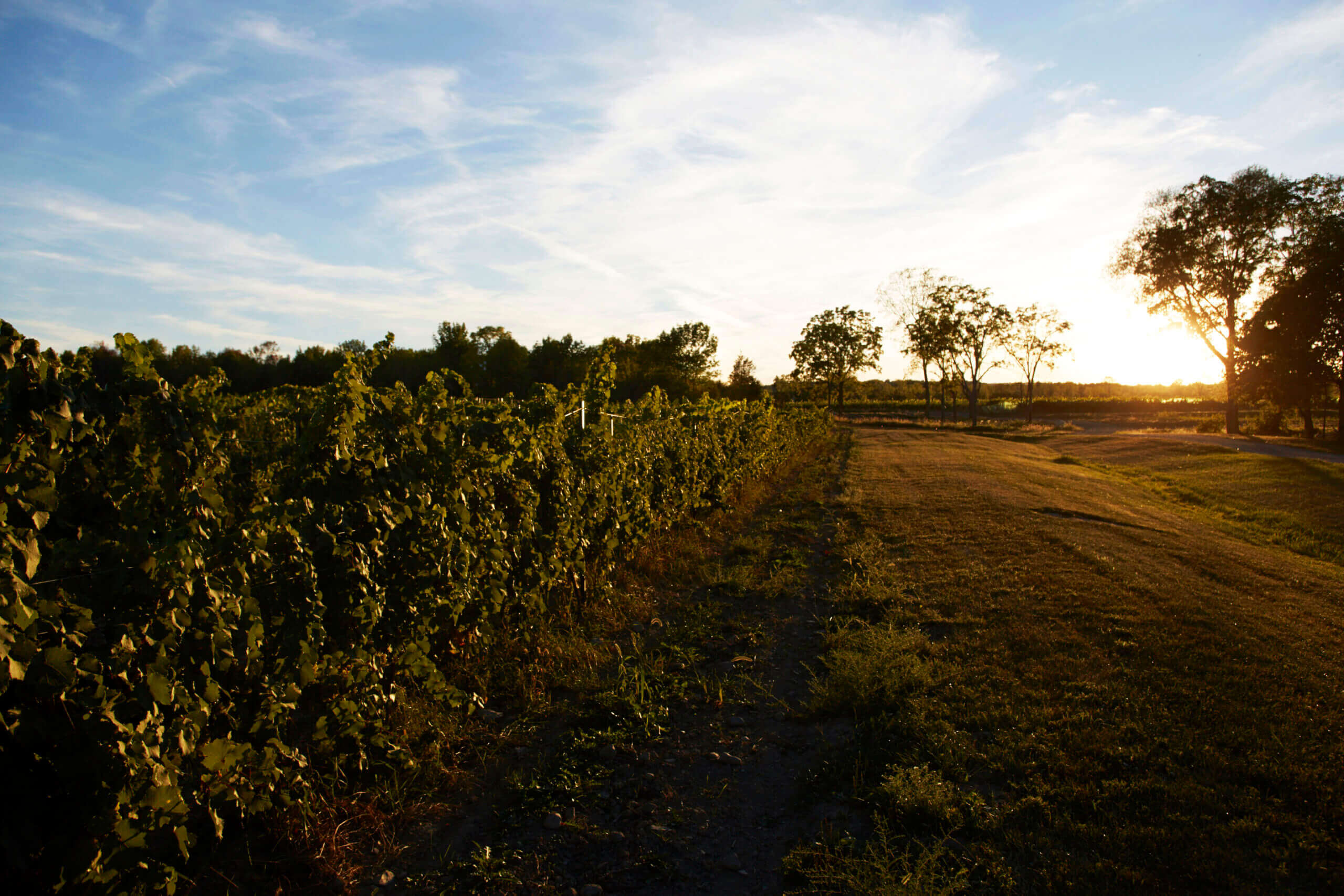
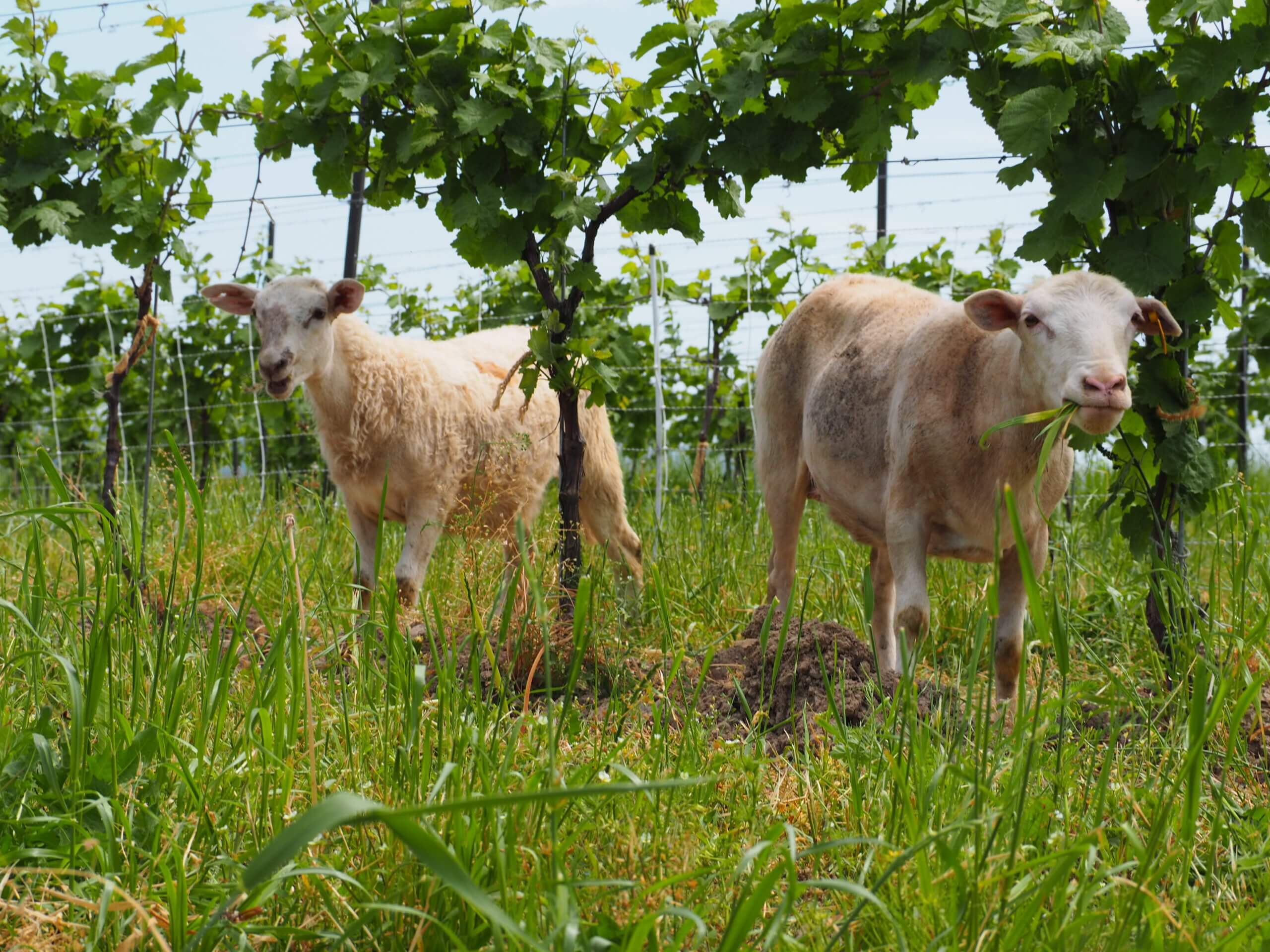
HJW Vineyard contains some of Hermann J. Wiemer’s original Finger Lakes plantings, including Riesling and Chardonnay vines established in 1977 and 1978. Situated on shallow soils over shale bedrock, the site consistently produces low yields and intensely expressive wines. The vineyard was converted to biodynamic farming beginning in 2015 and received Demeter certification in 2023, reflecting a continued commitment to sustainable viticulture.
HJW Vineyard, Seneca Lake AVA — Riesling planted in 1977-1978, used by Hermann J. Wiemer
Venturi Vineyard, Mendocino AVA
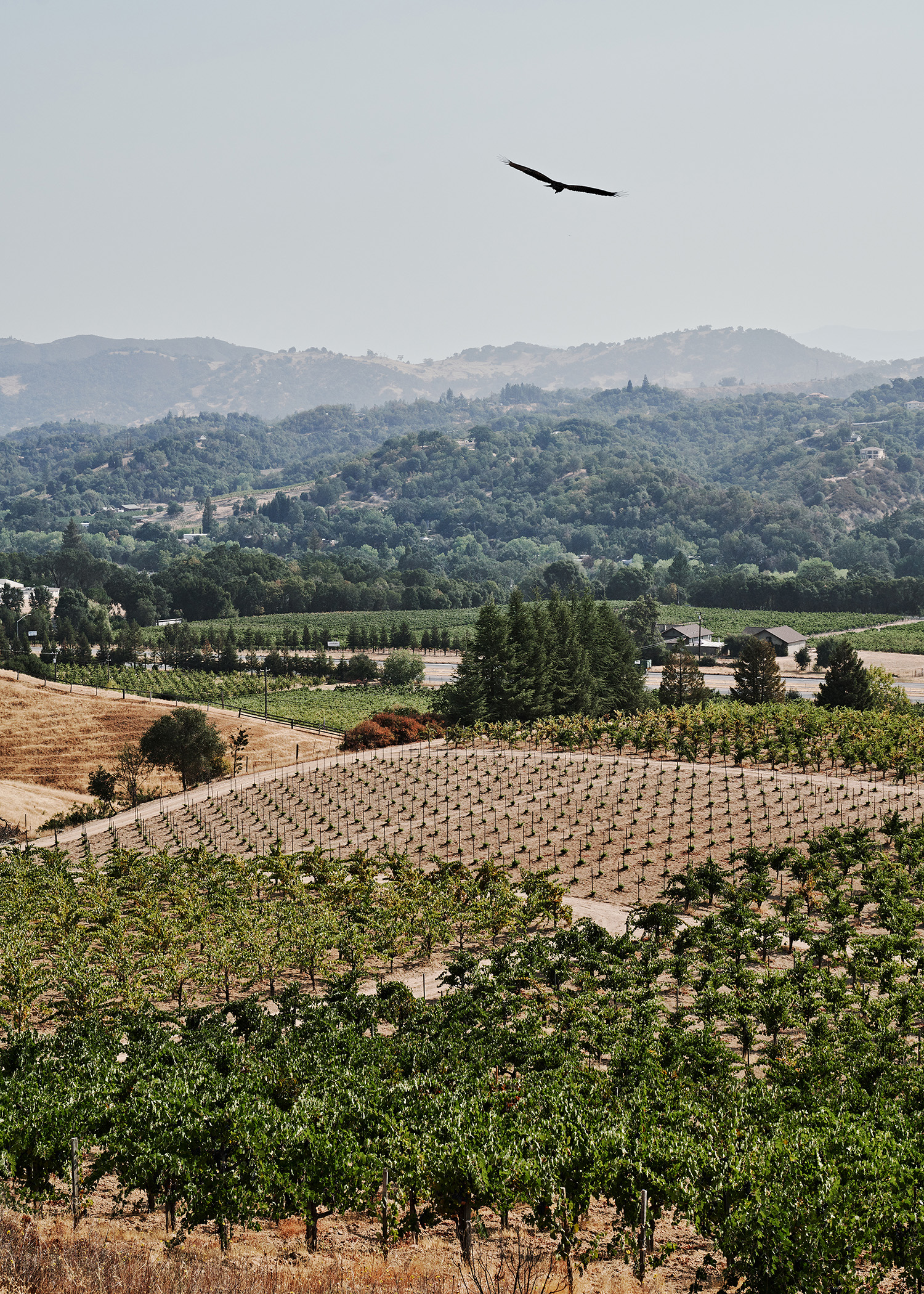
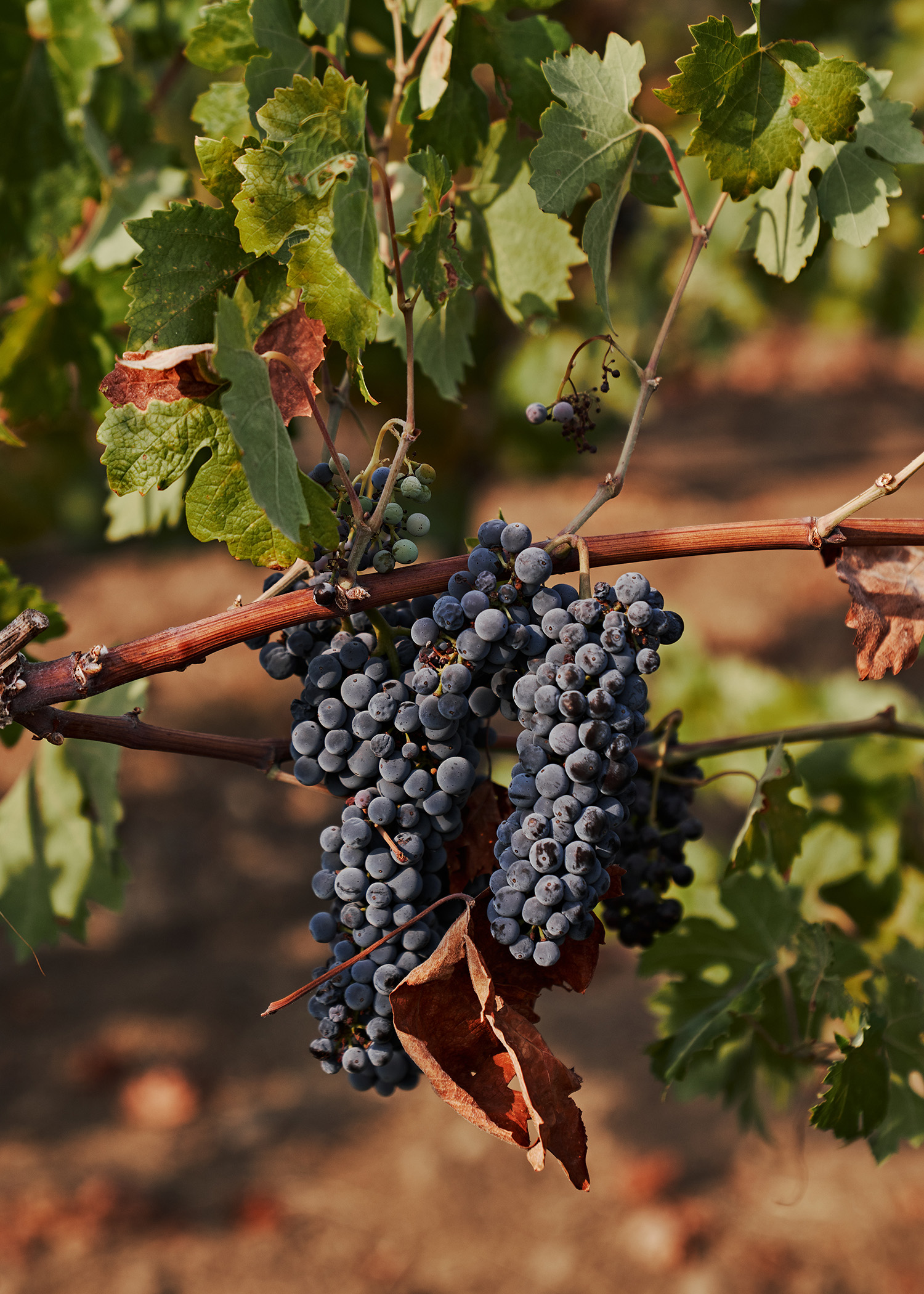
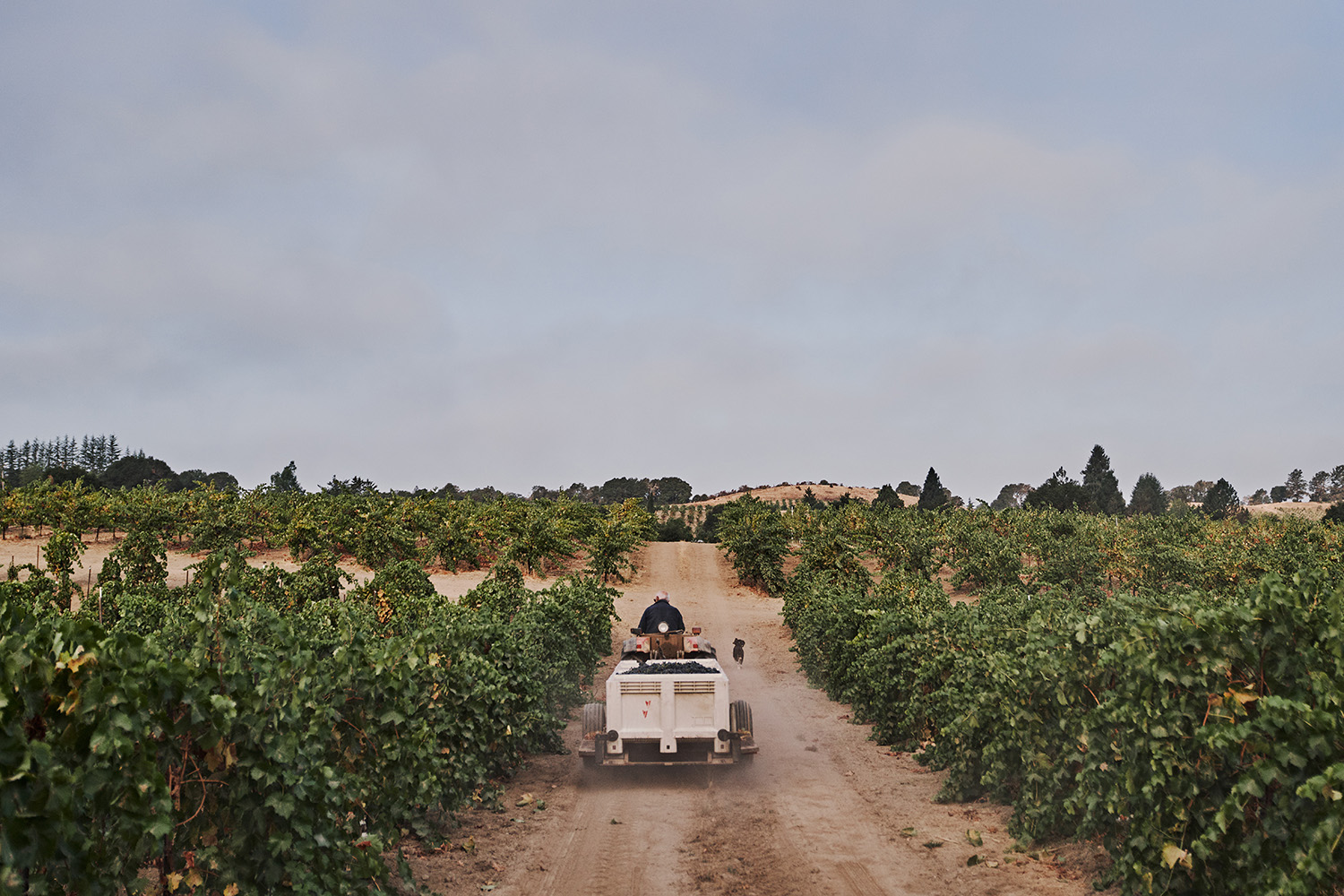
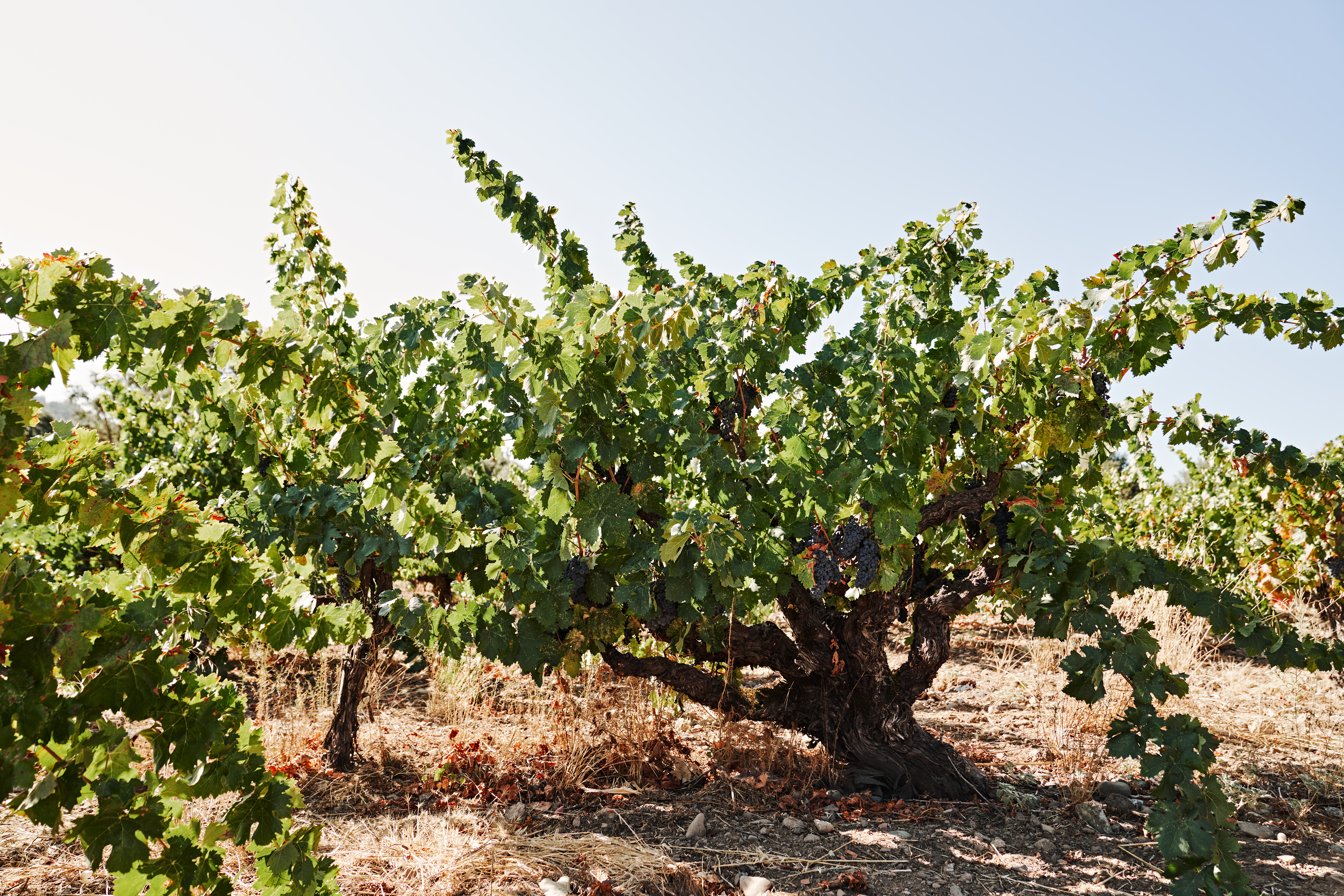
The Venturi family planted California’s first commercial Vermentino vineyard in 1947, decades before the variety became widely known in the state. Located in Mendocino County and farmed by multiple generations of the Venturi family, the vineyard helped preserve an important piece of Italian-American winegrowing heritage. Today, these historic vines continue to produce some of California’s most distinctive expressions of Vermentino.
Venturi Vineyard, Mendocino AVA — Vermentino planted in 1947, used by Martha Stoumen
Sanford and Benedict Vineyard, Sta. Rita Hills AVA
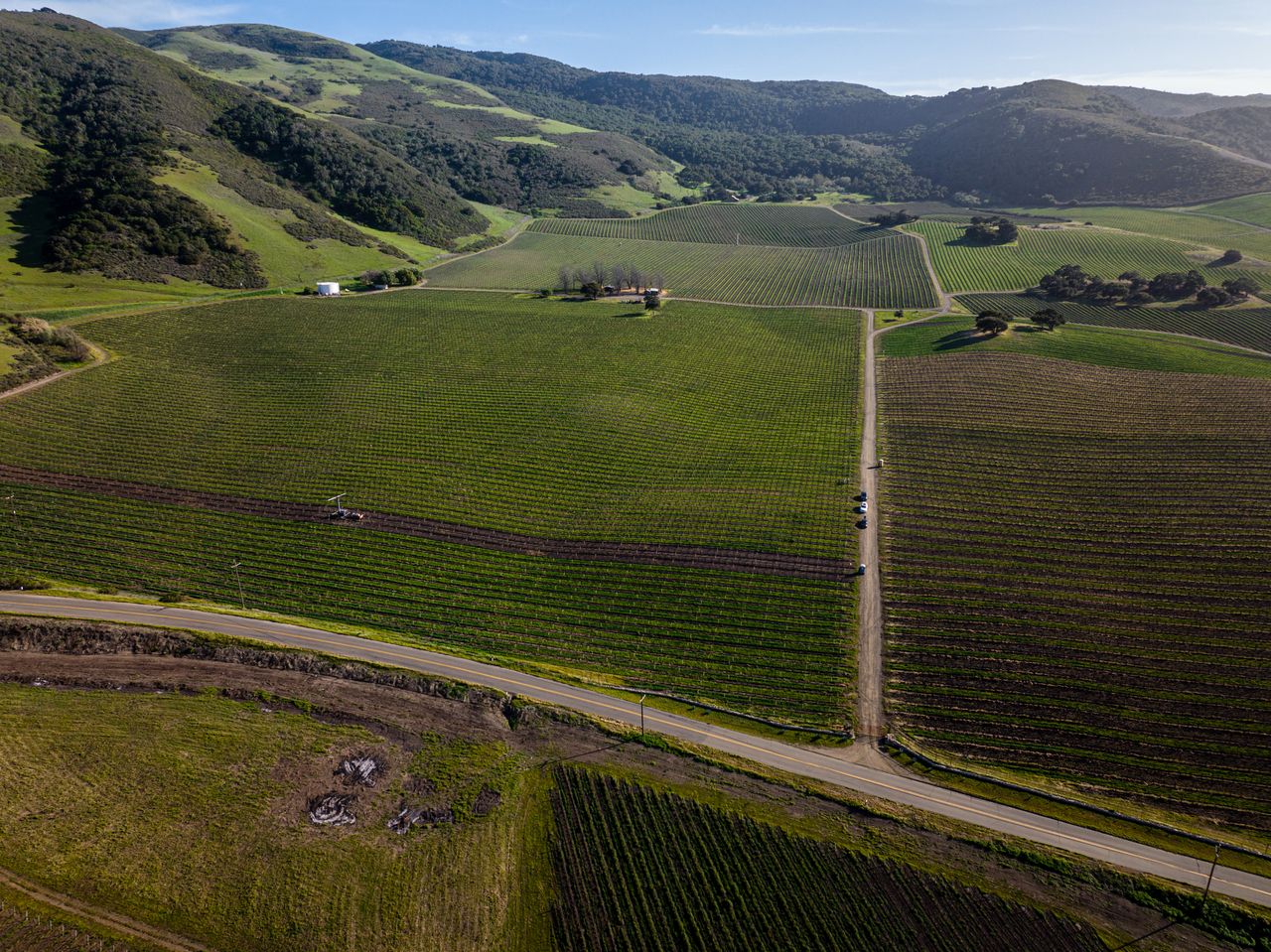
When Richard Sanford and Michael Benedict planted Sanford & Benedict Vineyard in 1971, many believed the site was too cold and too close to the Pacific Ocean for quality winegrowing. Their gamble helped define the future of Santa Barbara County wine. Among the first vineyards planted in what would become the Sta. Rita Hills, Sanford & Benedict demonstrated the region’s potential for Chardonnay and Pinot Noir and remains one of California’s most influential vineyard sites more than fifty years later.
Sanford and Benedict Vineyard, Sta. Rita Hills AVA — Pinot Noir and Chardonnay planted in 1971, used by Sandhi Wines and Tyler Winery
Katushas Vineyard, Lodi AVA
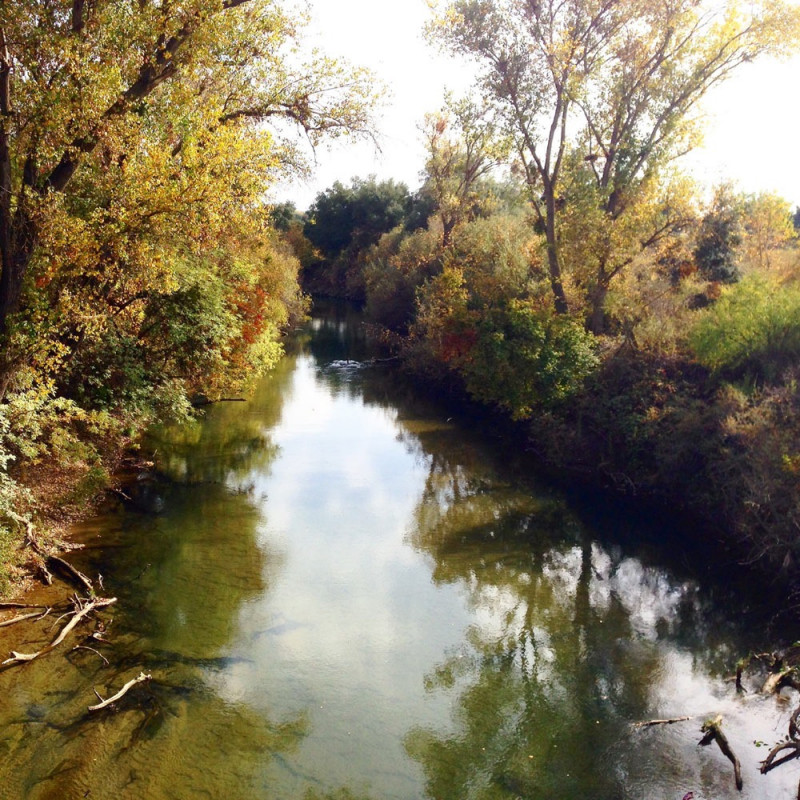
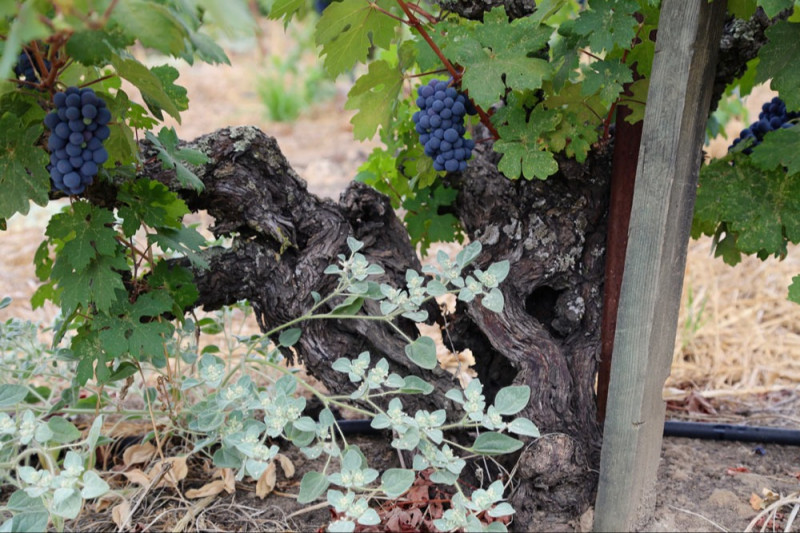
Planted in 1915, Katushas Vineyard is one of Lodi’s surviving old-vine Zinfandel sites. The vineyard was purchased and restored in 2014 after facing the possibility of removal, with extensive work undertaken to improve vine health, soil quality, and farming practices. Today, the century-old vines continue to produce exceptional fruit while serving as an example of the importance of preserving California’s historic vineyards.
Katushas Vineyard, Lodi AVA — Zinfandel planted in 1915, used by Bedrock Wine Co. and Turley
Old Hill Ranch, Sonoma Valley AVA
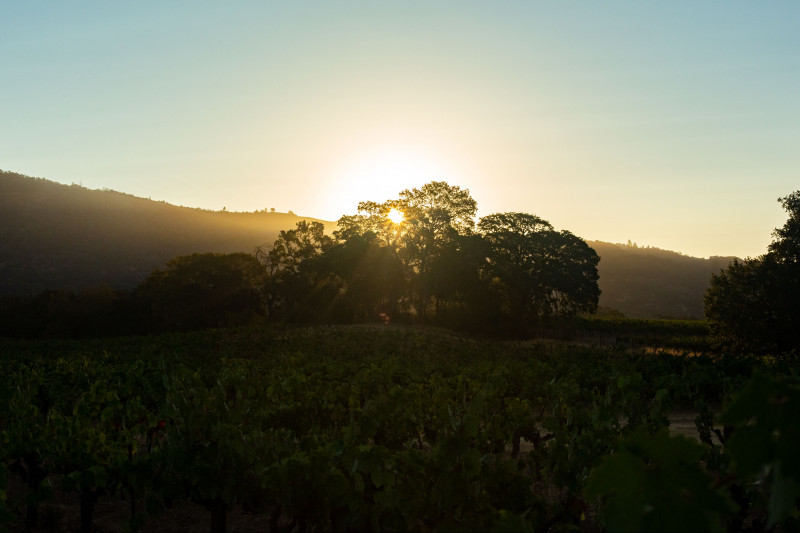
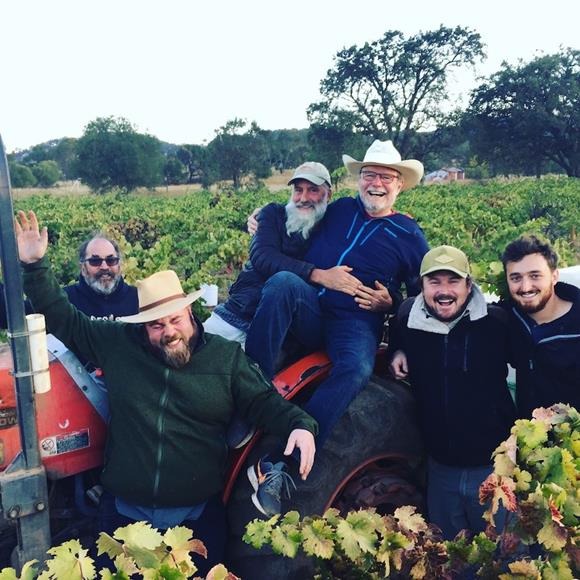
Old Hill Ranch is among California’s most celebrated heritage vineyards, with documented grape plantings dating back to the 1850s. Many of the existing vines were planted in the 1880s and remain part of an extraordinarily diverse field blend containing more than 30 varieties. Long recognized as one of Sonoma Valley’s landmark sites, the vineyard continues to showcase the mixed-planting traditions that defined California winegrowing in the nineteenth century.
Old Hill Ranch, Sonoma Valley AVA — Zinfandel planted in the 1880s, used by Bedrock Wine Co.
Eagle Point Ranch, Mendocino AVA
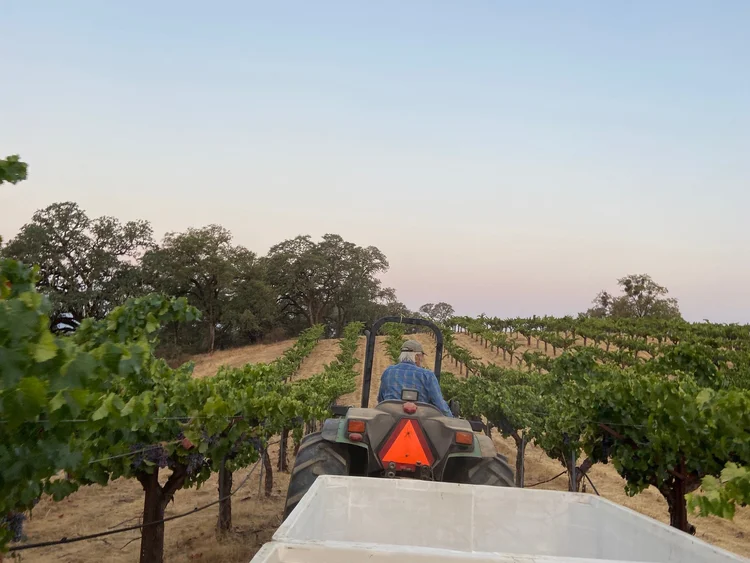
Perched at nearly 2,000 feet elevation in the northern Mayacamas Range, Eagle Point Ranch is home to a collection of organically farmed vineyard blocks planted in distinctive red clay soils. The site includes mature Grenache vines planted in the 1970s and some of California’s oldest Counoise plantings. Under the stewardship of grower Roland Wentzel, the ranch has become known for its thoughtful farming and commitment to environmental sustainability.
Eagle Point Ranch, Mendocino AVA — Counoise planted in 1974, used by Lotis Wines
Kistler Vineyard, Sonoma Valley AVA
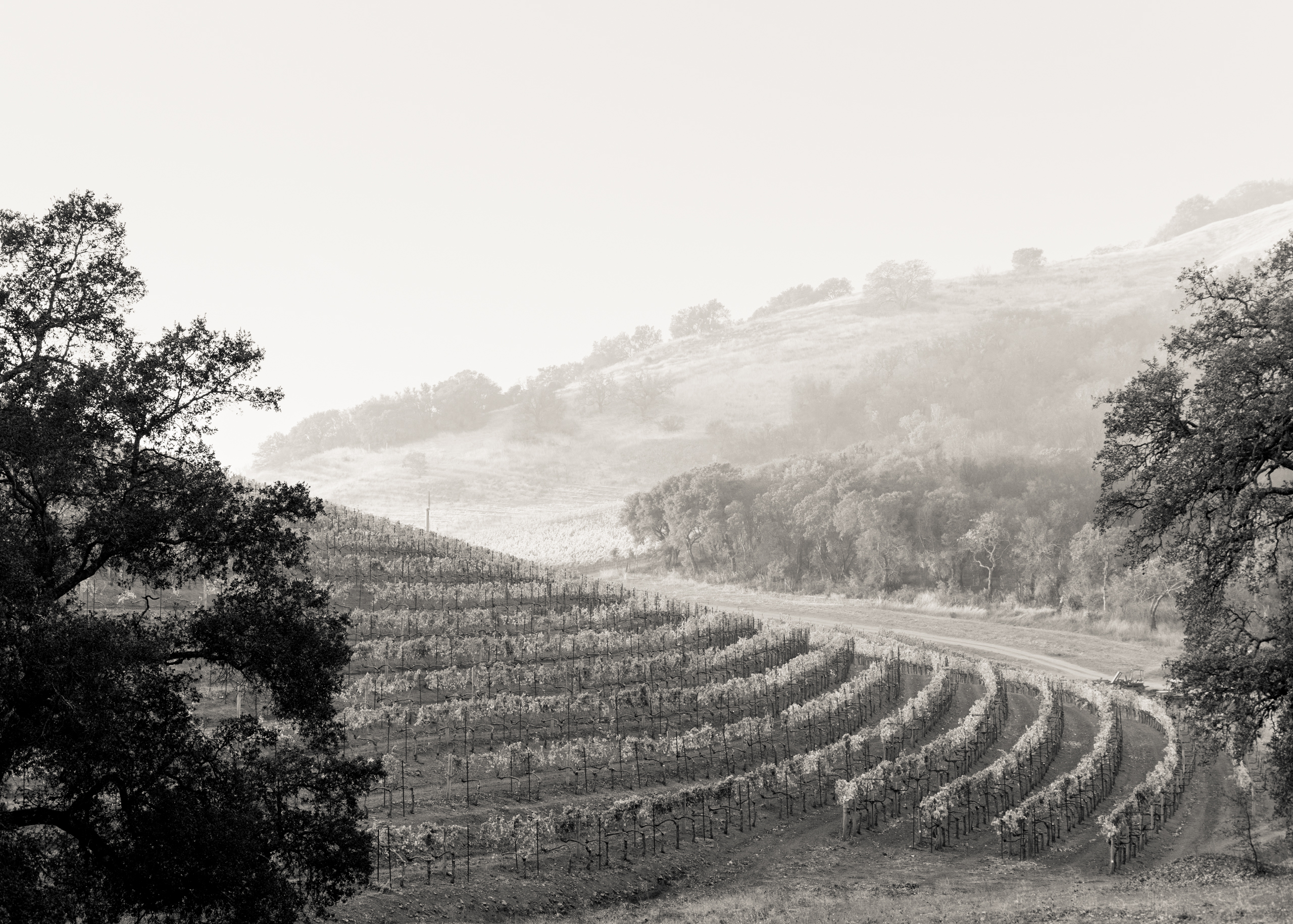
Planted in 1978 at nearly 1,800 feet elevation on the western edge of the Mayacamas Mountains, Kistler Vineyard is the original estate vineyard of Kistler Vineyards. The dry-farmed Chardonnay vines grow in deep red volcanic soils, producing wines that have become benchmarks for the variety in California. Bottled as a single-vineyard wine since 1986, the site remains central to Kistler’s identity and legacy.
Kistler Vineyard, Sonoma Valley AVA — Chardonnay planted in 1978, used by Kistler Vineyards
Del Barba Vineyard, Contra Costa County
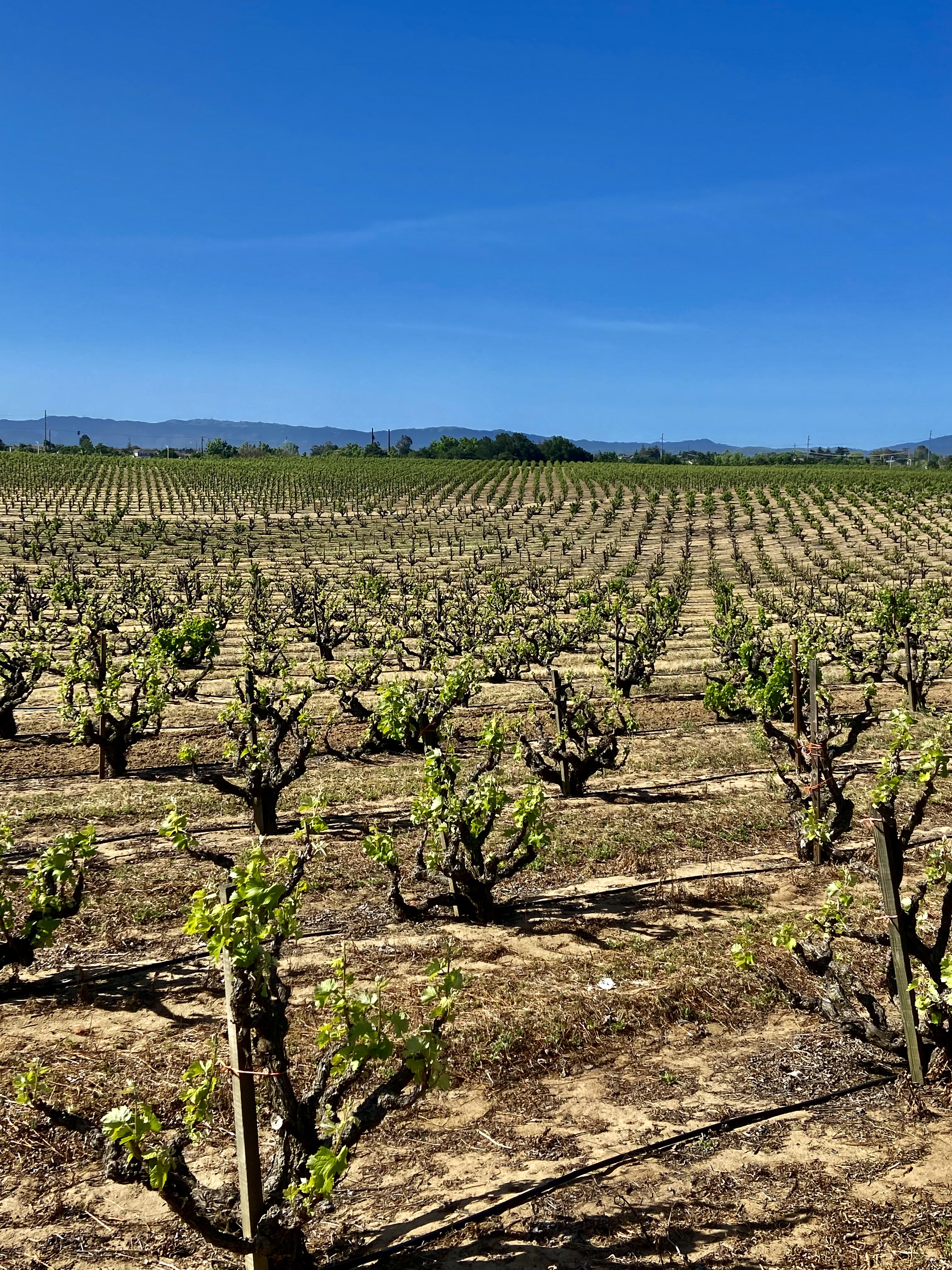
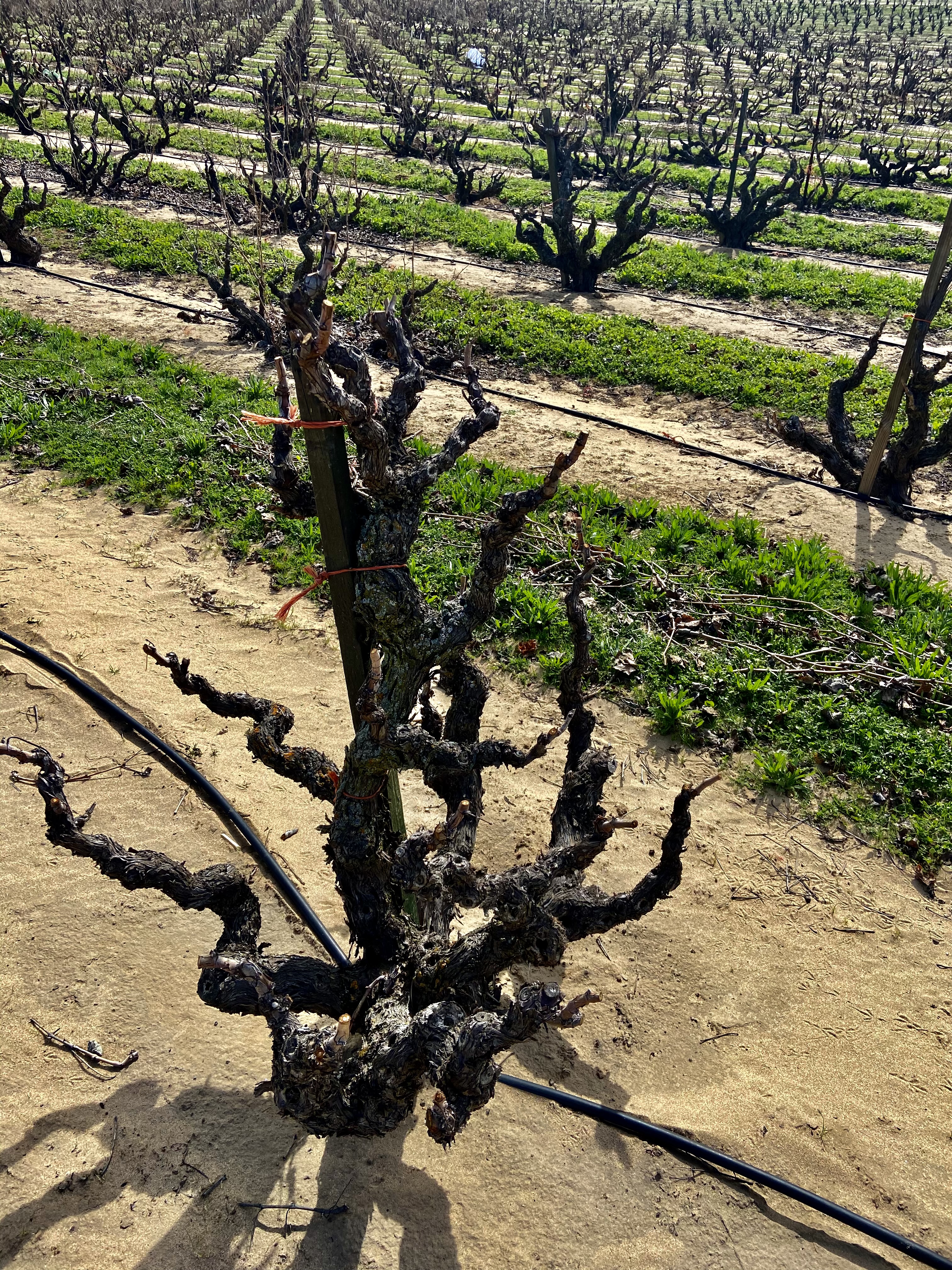
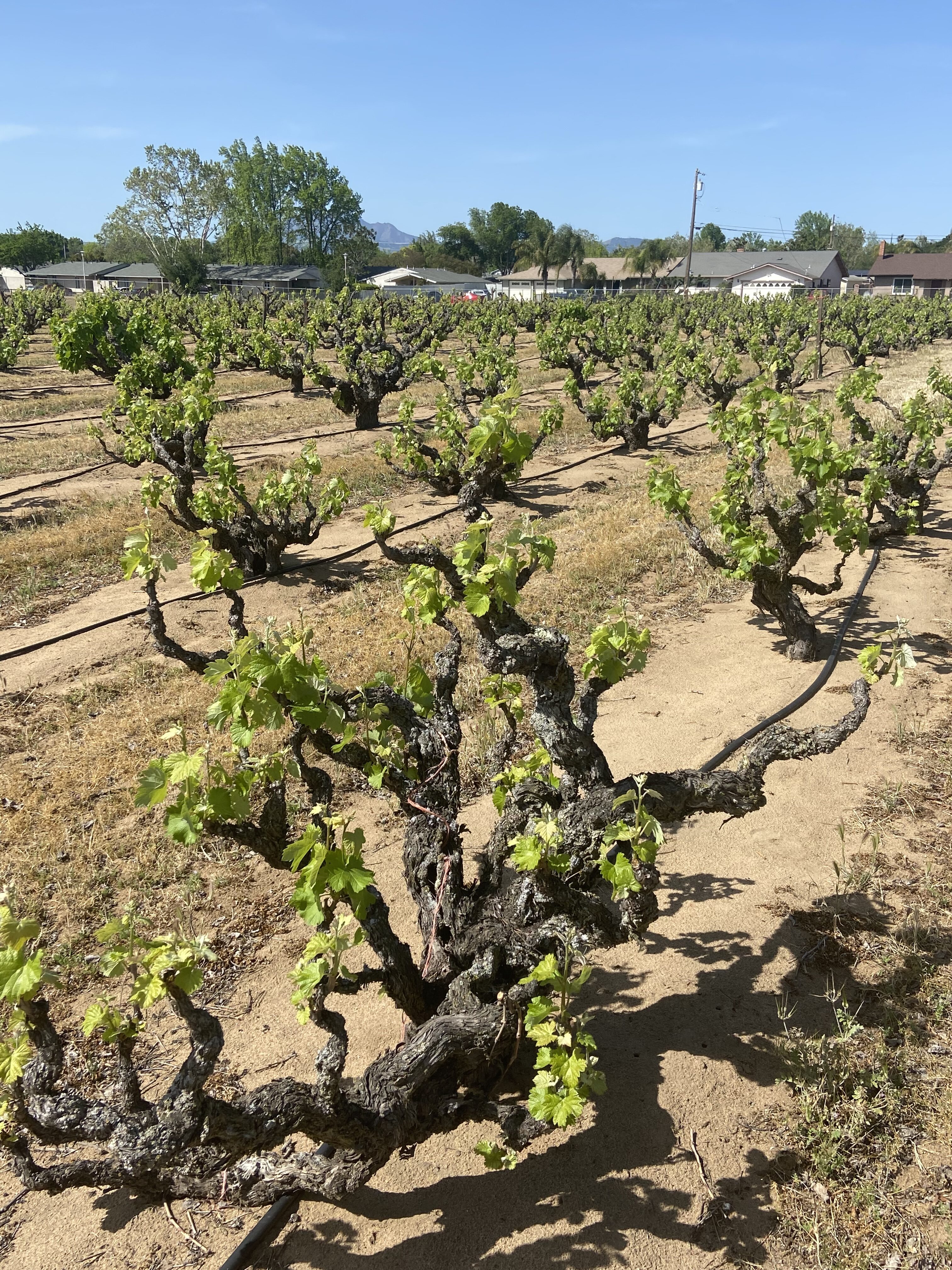
Planted in the late 1800s on the sandy soils of Contra Costa County, Del Barba Vineyard is one of California’s oldest surviving Zinfandel sites. The own-rooted vines have endured for well over a century, protected from phylloxera by the region’s deep sandy soils. Like neighboring heritage vineyards in Contra Costa County, Del Barba offers a rare glimpse into California’s Pre-Prohibition winegrowing history and continues to produce distinctive fruit from remarkably old vines.
Del Barba Vineyard in Contra Costa County — Zinfandel planted in the late 1800s, used by Dashe Cellars
Whether planted in the 1880s or the 1970s, these vineyards remain benchmarks for their regions and varieties. The wines they produce offer a rare opportunity to taste history in the glass, reflecting generations of stewardship and tradition. We are proud to represent producers who continue to farm and preserve these remarkable sites, ensuring their stories and fruit endure for future generations.