

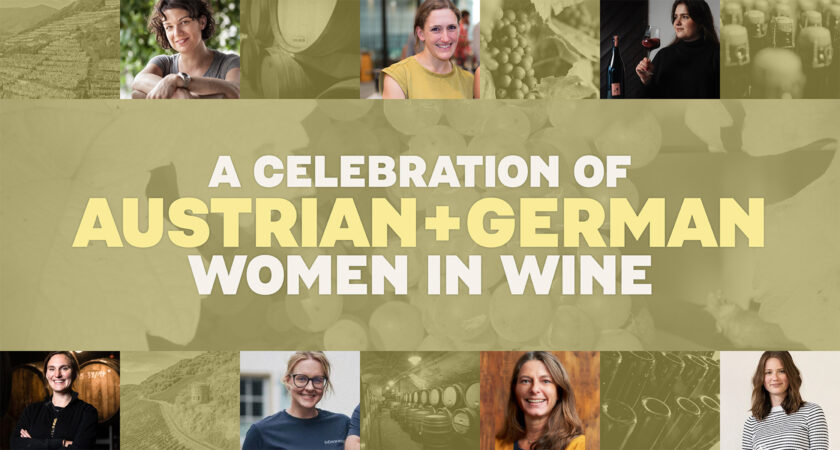
This March, we’re proud to welcome an inspiring group of women from across Austria & Germany for our “A Celebration of Austrian & German Women in Wine” tour. From the dramatic slopes of the Mosel, Nahe, and Rheingau to Austria’s beautifully terraced vineyards, these winemakers and estate leaders are shaping the future of their regions with clarity of vision, deep-rooted tradition, and a profound sense of place. Each tasting will feature a curated selection of wines providing context on the regions and philosophies that guide their work.
We would be delighted to raise a glass with you in recognition of these inspiring women and the wines they represent.
Tour Dates & Cities
- New York, NY – March 23rd
- Greenville, SC – March 24th
- Miami, FL – March 24th
- Atlanta, GA – March 25th
- Austin, TX – March 25th
- Portland, OR – March 26th
- Omaha, NE – March 27th
KATHARINA ALZINGER, ESTATE MANAGER
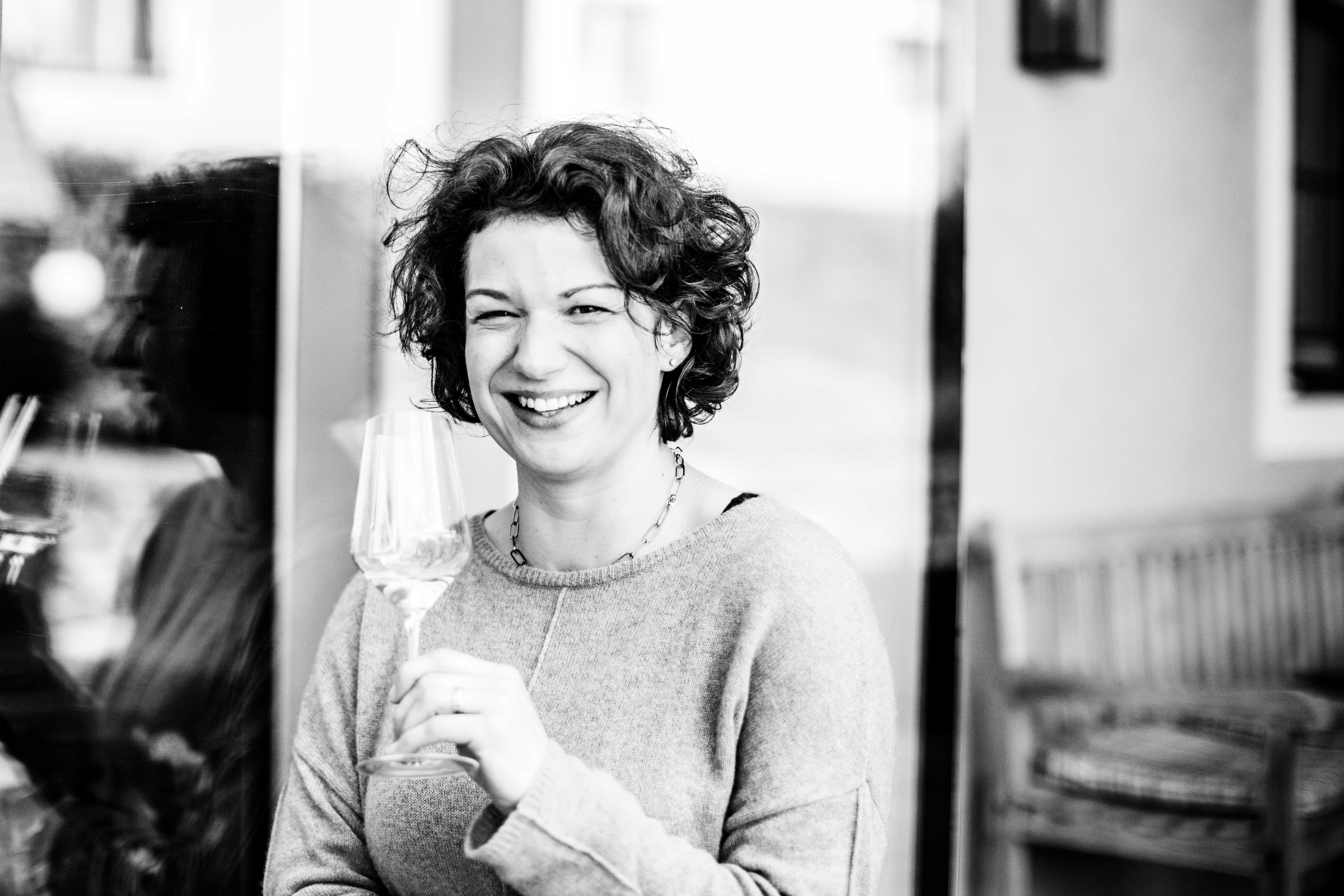
The Alzingers are producing some of the most elegant and precise wines from the Wachau. Harvest happens later than the surrounding wineries, but grapes are never overripe and instead just at the perfect point ripeness. These are mineral driven wines, always crystal clear, animating, and wholesome.
THERESA BREUER, OWNER & WINEMAKER
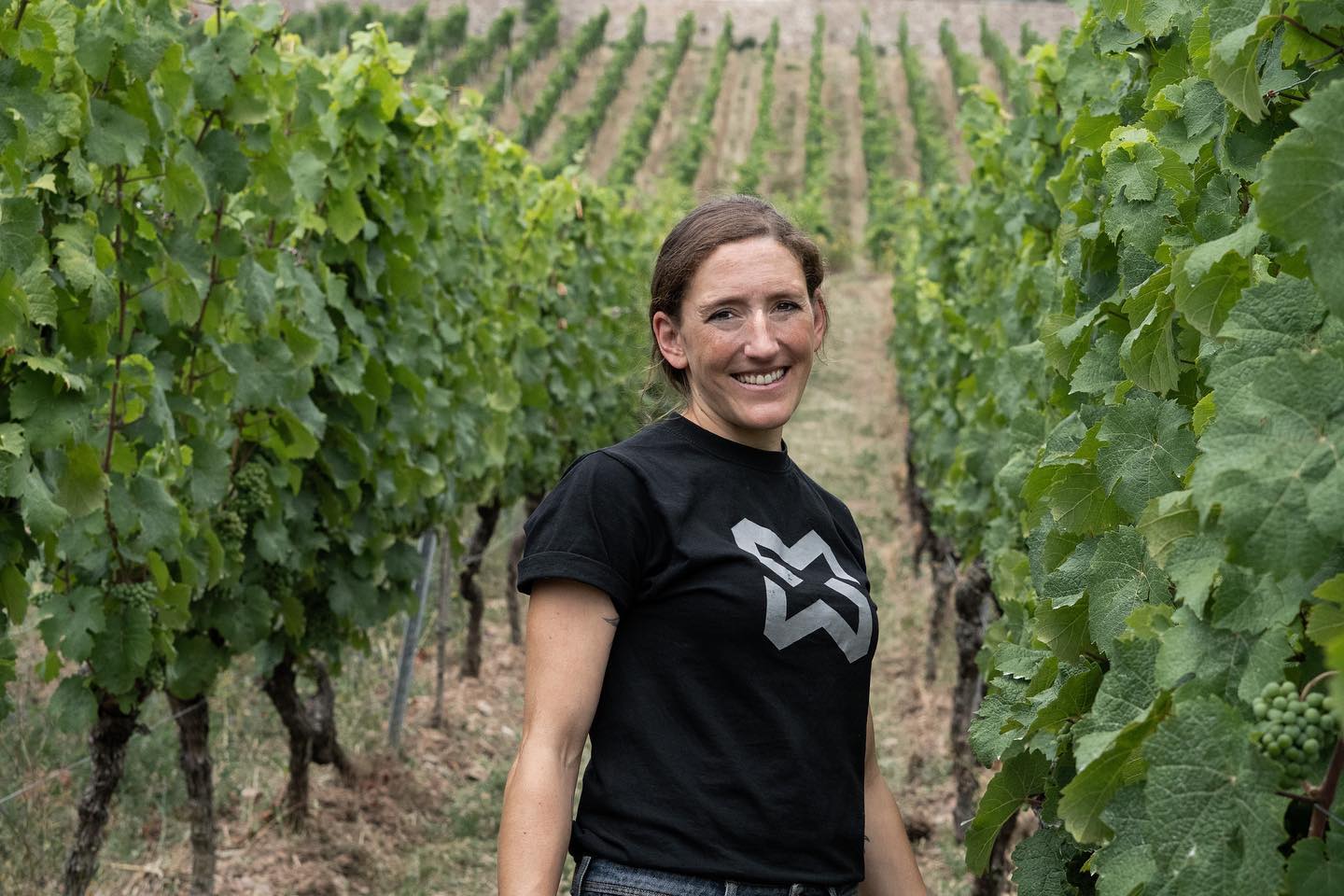
Theresa Breuer runs this 30-hectare estate in Rüdesheim in the Rheingau, with incredible holdings including the three greatest Grand Cru sites in Rüdesheim. Winemaking at this domain is very simple and the results from these exceptional vineyards are clear; these are among the very finest wines in Germany.
HANNA GLATZER, WINEMAKER
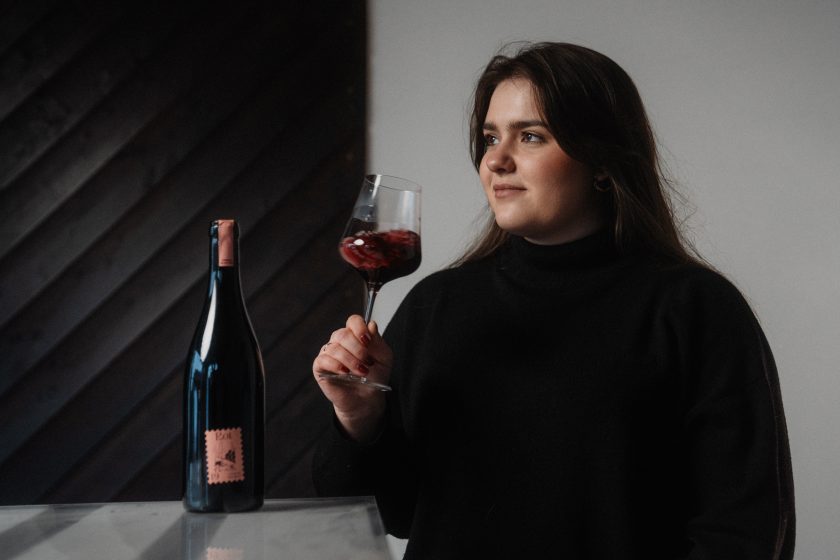
Hanna Glatzer dropped out of pre-law to attend Geisenheim, the top winemaking school in this part of Europe. Making the estate wines and her own low SO2, low intervention wines, Hanna is the next generation poised to fully take over the estate from her father Walter in the coming years.
CAROLINE DIEL, OWNER & WINEMAKER
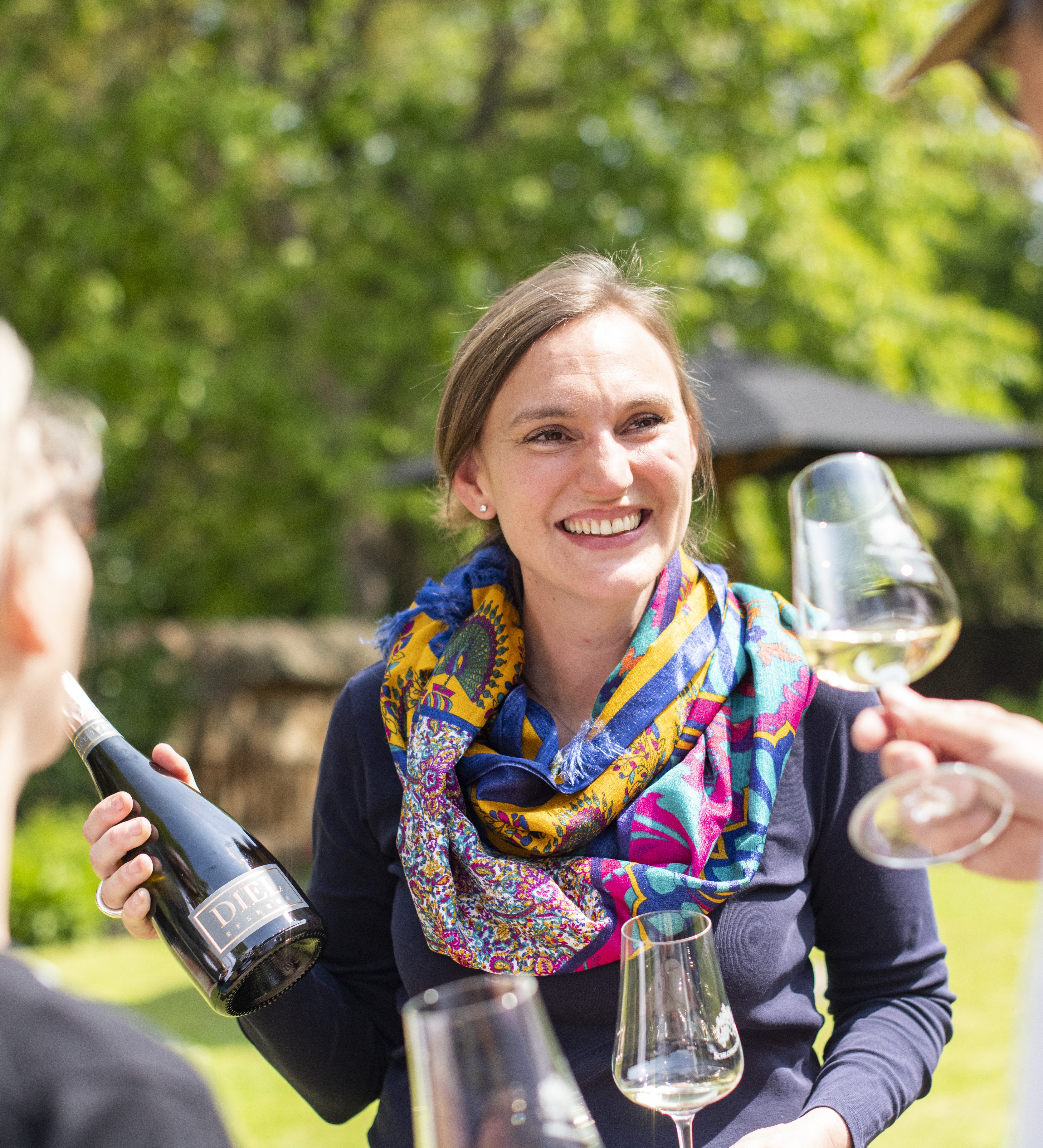 Caroline Diel officially took over this storied family domaine in 2012 and has continued to produce some of the most compelling Rieslings and sparkling wines out of Germany.
With great vineyard sites, dedicated vineyard management, and meticulous winemaking the winery receives continued acclaim.
ANNE DÖNNHOFF, OWNER/PROPRIETOR
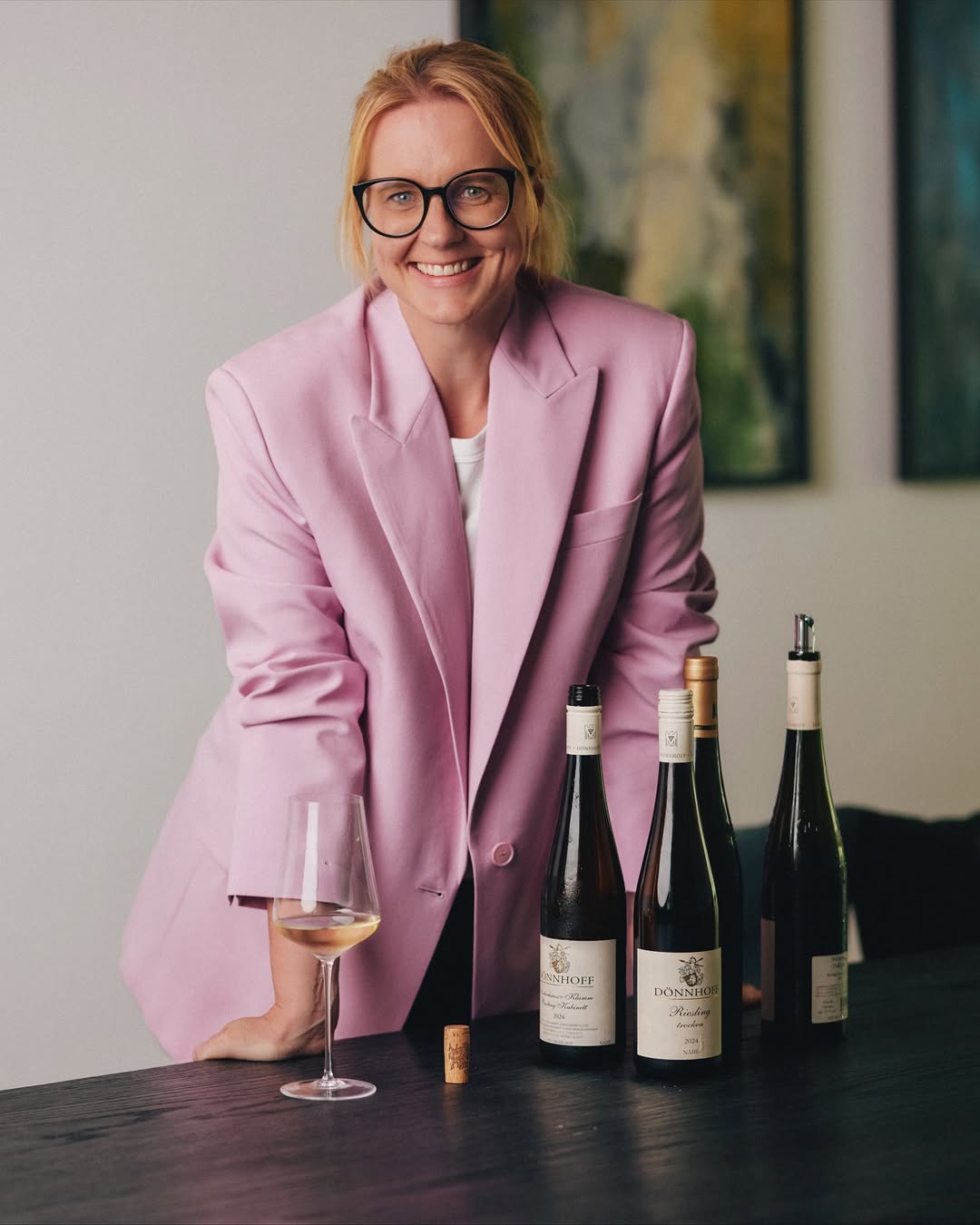
Just before Cornelius took over the estate, he was doing his final studies in New Zealand, where he met Anne. She was there learning about viticulture to round out her studies in Law and Economics, and it was, almost immediately, clear that Cornelius had met his match.
Anne turned out to be the perfect counterbalance that the estate didn’t know they needed until they had it and now she is the heartbeat that it cannot live without. When you arrive at Dönnhoff for a visit, it is clear that nothing gets past the keen eye of Anne who manages the business from top to bottom.
BARBARA KOLLER, INTERNATIONAL SALES & EXPORT

Barbara Koller oversees international sales and export at Weingut Schloss Gobelsburg. Raised in Vienna and trained in Commercial Science at the University of Economics, she later pursued formal wine studies, earning her WSET Level 4 Diploma.
After more than 20 years with Austrian Airlines — including serving as an On Board Sommelier — Barbara joined Schloss Gobelsburg in 2012, combining her global perspective and deep wine expertise to represent the estate abroad.
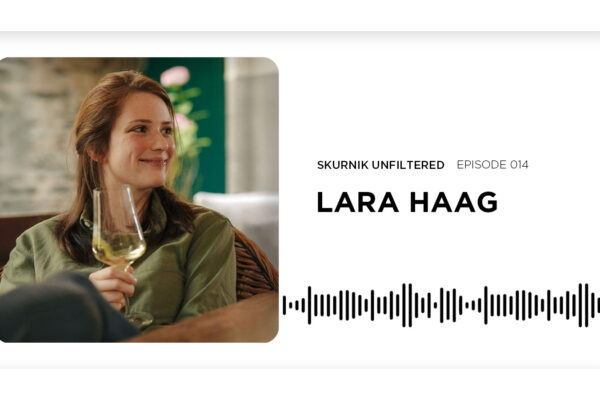
LARA HAAG, OWNER & ASSISTANT WINEMAKER
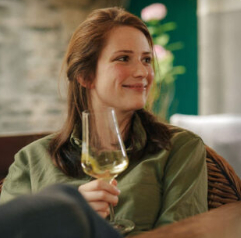
Weingut Schloss Lieser is named for the stunning castle on the Mosel River in Lieser just south of Berkastel-Keus. Lara Haag joined her family winery in her mid-twenties.
In addition to her work in the vineyards and cellar, she also manages marketing, sales, and exports. At heart, she is an academic grounded in the work of ecological viticulture advancing the family’s legacy into a new era.
These are producers – and wines – you won’t want to miss. Contact your local Skurnik representative for market details and RSVP information — we’d love to see you there.
THE WINES
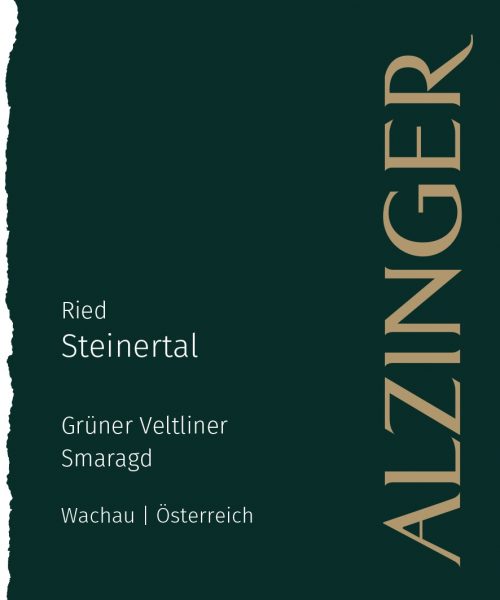
ALZINGER RIED STEINERTAL SMARAGD WACHAU GRÜNER VELTLINER 2024
 |
|
| Ried Steinertal: Steinertal is an extremely complex location that offers optimal terrain for both Grüner Veltliner and Riesling. The situation turns a little to the southwest, so in the evening always gets some heat, which are relativized by air currents from the north accordingly. The ground thickness varies considerably, as does the temperature within the location. The foundation of the Grüner Veltliner lies in the lower and deeper terraces, although here too, despite a slightly creamier texture, vital acidity and profound minerality set the tone. |
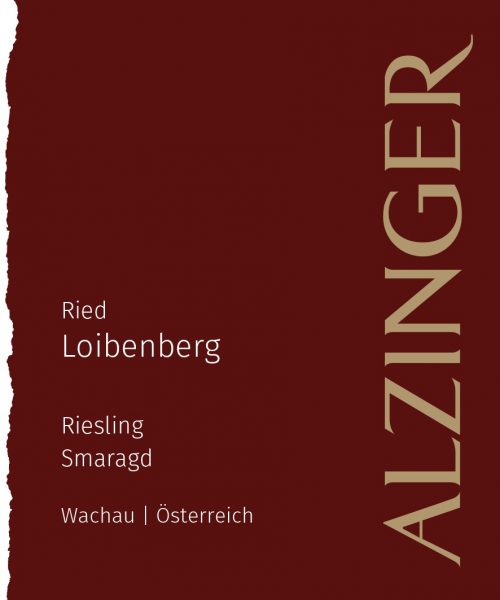
ALZINGER RIED LOIBENBERG SMARAGD WACHAU RIESLING 2024
 |
|
| Ried Loibenberg: The south-facing terraces of the Loibenberg vineyard store sun all day long and are considered the warmest in the Wachau. Between the first terraces at the foot of the slope and the last ones on the summit, there are a good 200 meters in altitude. Many of the vines are in the shade of protective forests. In addition, ditches open to the north, the air of which allows the climate to cool down noticeably, especially at night. Grüner Veltliner is mainly based on loess, which shows a slightly warmer and creamier texture and the Riesling is rooted in barren and shallow soils that promote a tighter style. |
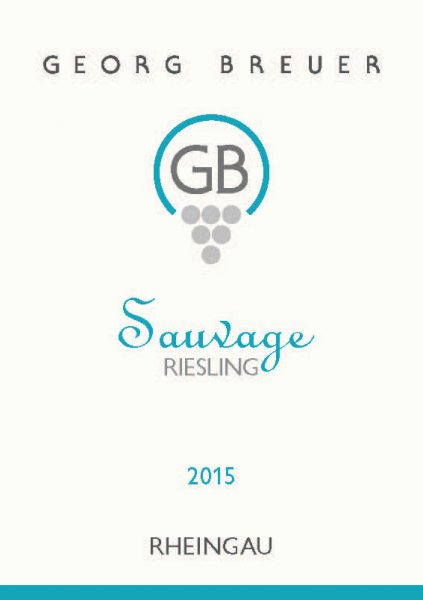
GEORG BREUER GB SAUVAGE RIESLING TROCKEN 2023
 |
|
| The name for Theresa’s introductory dry wine is French adjective for something wild or untamed, referring to the lively and fresh character packed into the wine. |
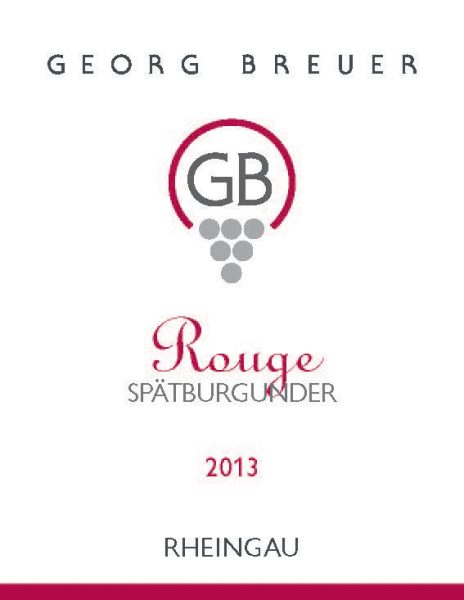
GEORG BREUER GB ROUGE SPÄTBURGUNDER 2023
 |
|
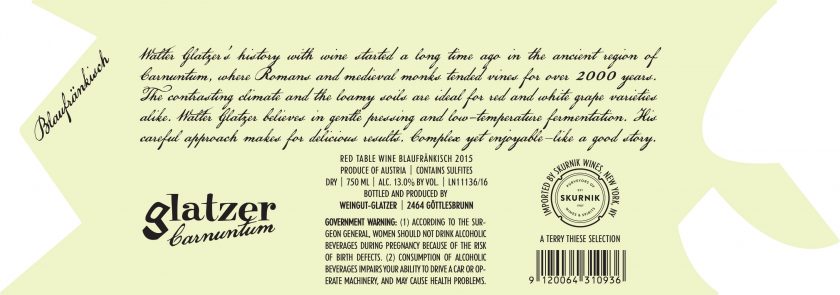
WALTER GLATZER CARNUNTUM DAC BLAUFRÄNKISCH 2022
 |
|
| Glatzer’s vineyards are predominately south-facing and are all around the village of Göttlesbrunn, where the Pannonian microclimate and loess-rich soils were already used to cultivate wine in Roman times. Here you will find a combination of sandy loam, gravel with clay & sand. |
HANNA GLATZER WELSCHRIESLING 2023
 |
|
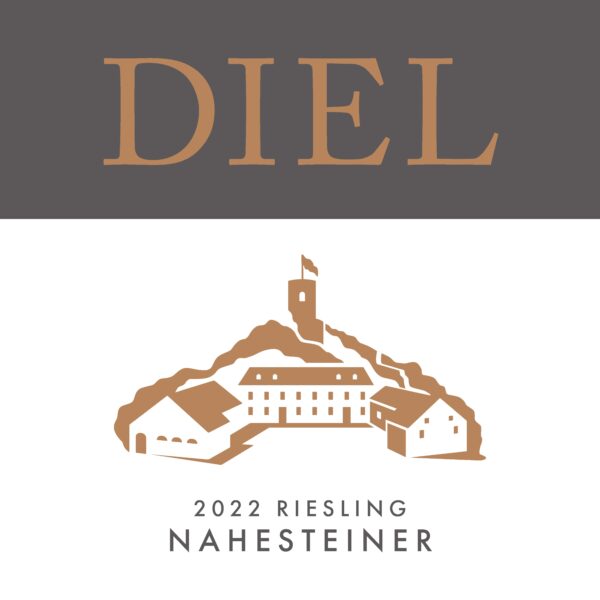
SCHLOSSGUT DIEL ‘NAHESTEINER’ RIESLING TROCKEN 2023
 |
|
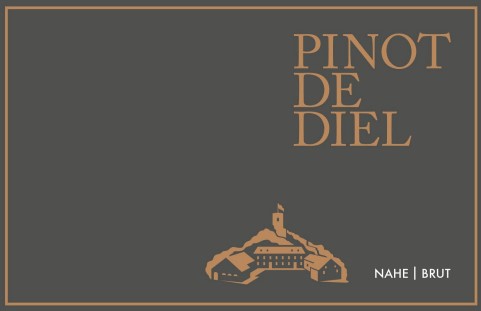
SCHLOSSGUT DIEL ‘PINOT DE DIEL’ BRUT NV
 |
|
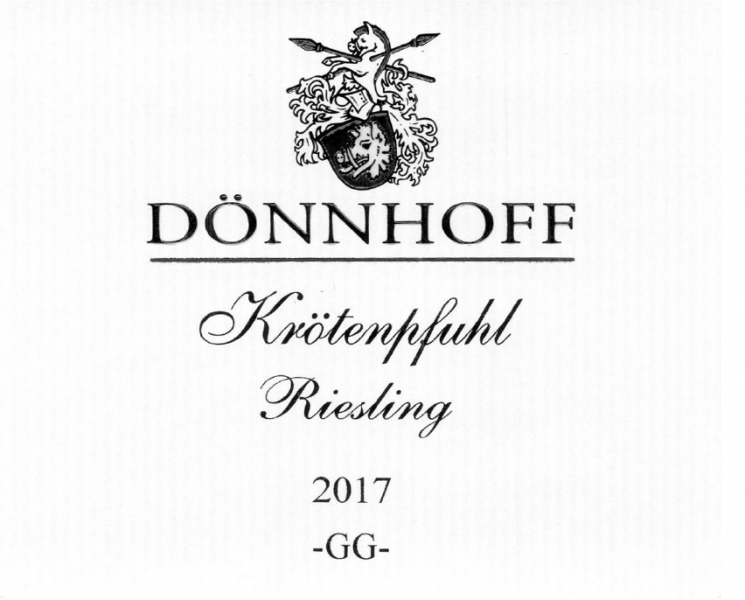
DÖNNHOFF KRÖTENPFUHL RIESLING GROSSES GEWÄCHS 2024
 |
|
| Kreuznacher Krötenpful: The loess loam soil of the Krötenpfuhl vineyard is notable for its high share of gravelly quartzite. Between the stony ground and its southern aspect, this neighbor to the Kahlenberg is known for warm soils and early flowering of the vines year after year. The loess loam substrate retains water well, ensuring the vines have sufficient moisture even in drought years. Vines growing in this type of pebbly soil tend to produce small berries with delicate aromas, a lively acidity and a long hang time. This small site’s advantageous microclimate ranks it among the warmest, most southerly facing and mineral-rich of the prized vineyards in Bad Kreuznach. The truly sublime Rieslings it has produced have played no small part in the growing global reputation of Nahe wines. |
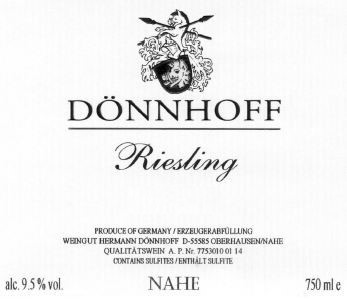
DÖNNHOFF ESTATE RIESLING 2024
 |
|
| The idea here is to make a village wine, basically, though it’s sold and marketed as a Gutswein or Estate bottled basic wine. The Estate wine combines the two major soils that dominate the holdings for the estate, giving the drinker a look into what Dönnhoff is all about. The basic wine is a calling card and thus Cornelius wants to make statement. The geology of the middle Nahe is notably shaped by its eons-old clay slate formations and rich volcanic soils. The concentration of porphyry and melaphyr stone in and around the old Oberhausen vineyards – Kieselberg and Felsenberg, help provide the perfect berry base for Gutsriesling. |
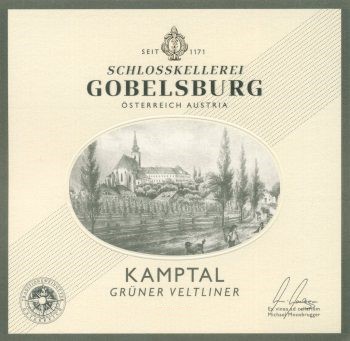
SCHLOSS GOBELSBURG KAMPTAL DAC GRÜNER VELTLINER 2024
 |
|
| For this wine, the grapes are from the best sites around the Heiligenstein (Lamm, Grub and Renner). The Grüner Veltliner is grown in young vineyards (under 20 years old) of the former Steiner Allerheiligenstiftung, a religious foundation that dates back to 1171. |
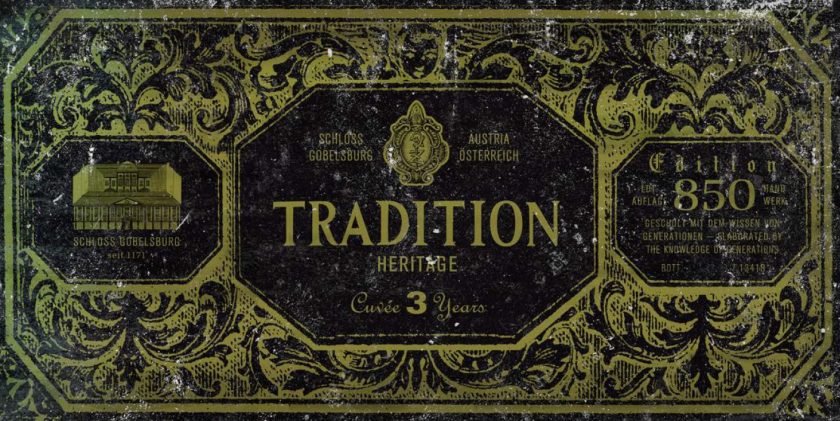
SCHLOSS GOBELSBURG ‘TRADITION’ 3 YEARS [EDITION 853]
 |
Variety: Grüner Veltliner, Riesling |
|
The ‘Tradition’ wines are an ode to the winemaking style being employed at Gobelsburg in the early 19th century – specifically the years between 1800 and 1850. This period is characterized by the era of baroque, where intense aromatics in vinification was being practiced. The grapes are pressed with a basket press for low sediment content, without further sedimentation the wines are fermented without temperature control in 25 hl Manhartsberg oak casks (double foudre). After the fermentation the wines are racked every 3 to 4 months to let the wine ‘breathe’ on one side, but on the other side to go off the lees. This process lasts for about two years until the wine is ready to be bottled. |
SCHLOSS LIESER NIEDERBERG HELDEN FEINHERB 2021
 |
|
| Lieserer Niederberg Helden: Created by merging the previously separate Niederberg and Helden vineyards, this Grosse Lage vineyard is just east of the village of Lieser. With a steep slope and the typical soil type for this part of the Mosel, blue Devonian slate, Niederberg Helden is known as one of the top vineyards for producing both dry and noble sweet wines. A unique microclimate is formed here by the south facing slopes curving inward which helps to capture warmth. |
SCHLOSS LIESER ESTATE RIESLING KABINETT 2024
 |
|