

To honor Black History Month, we’ve highlighted a few African American bartenders who distinguished themselves from the early 19th century and on to Prohibition.
In recent years, these individuals have gained renewed recognition as the beverage industry has revisited their histories and acknowledged their significant contributions to Black entrepreneurship, American mixology, and bar culture. We took inspiration from newspaper archives, cocktail histories, and recent journalism to curate five cocktails that celebrate these bartenders’ contributions to the trade of bartending and mixology.
This selection is not comprehensive, and we will continue to explore the archives and shine a light upon the stories of men and women who emerged as innovators, business owners, and early members of the Black middle class in pre- and post-emancipation United States.
Cato Alexander (c. 1780–1858): A Pioneer of Black Hospitality in Early NYC
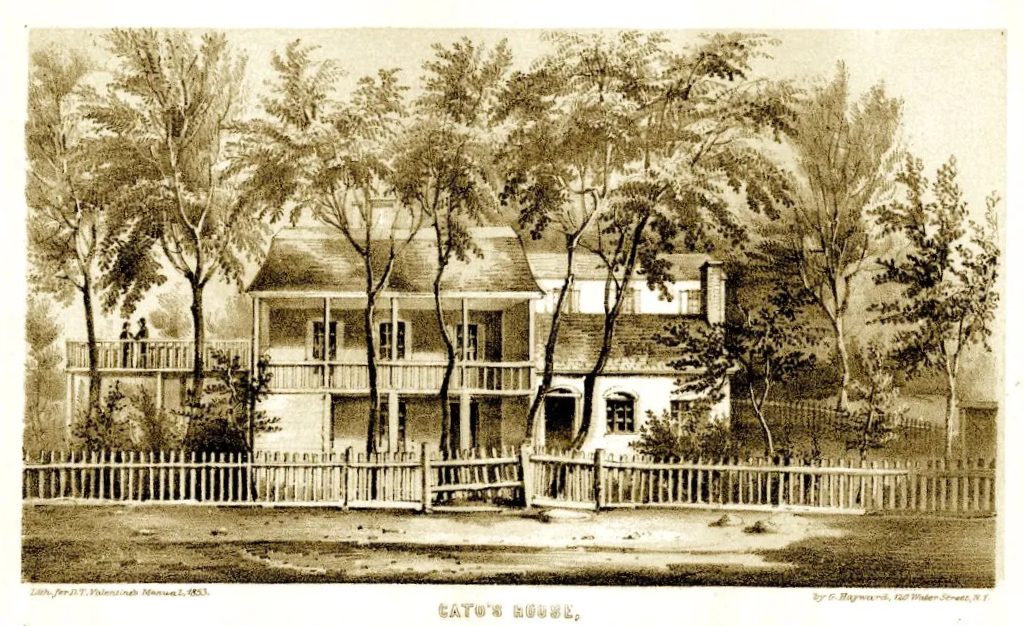
Cato Alexander, born into slavery in the late 18th century, became a leading figure in New York City’s hospitality scene in the early 19th century. After gaining his freedom, he established Cato’s Tavern around 1810 at the current intersection of 54th Street and 2nd Avenue.
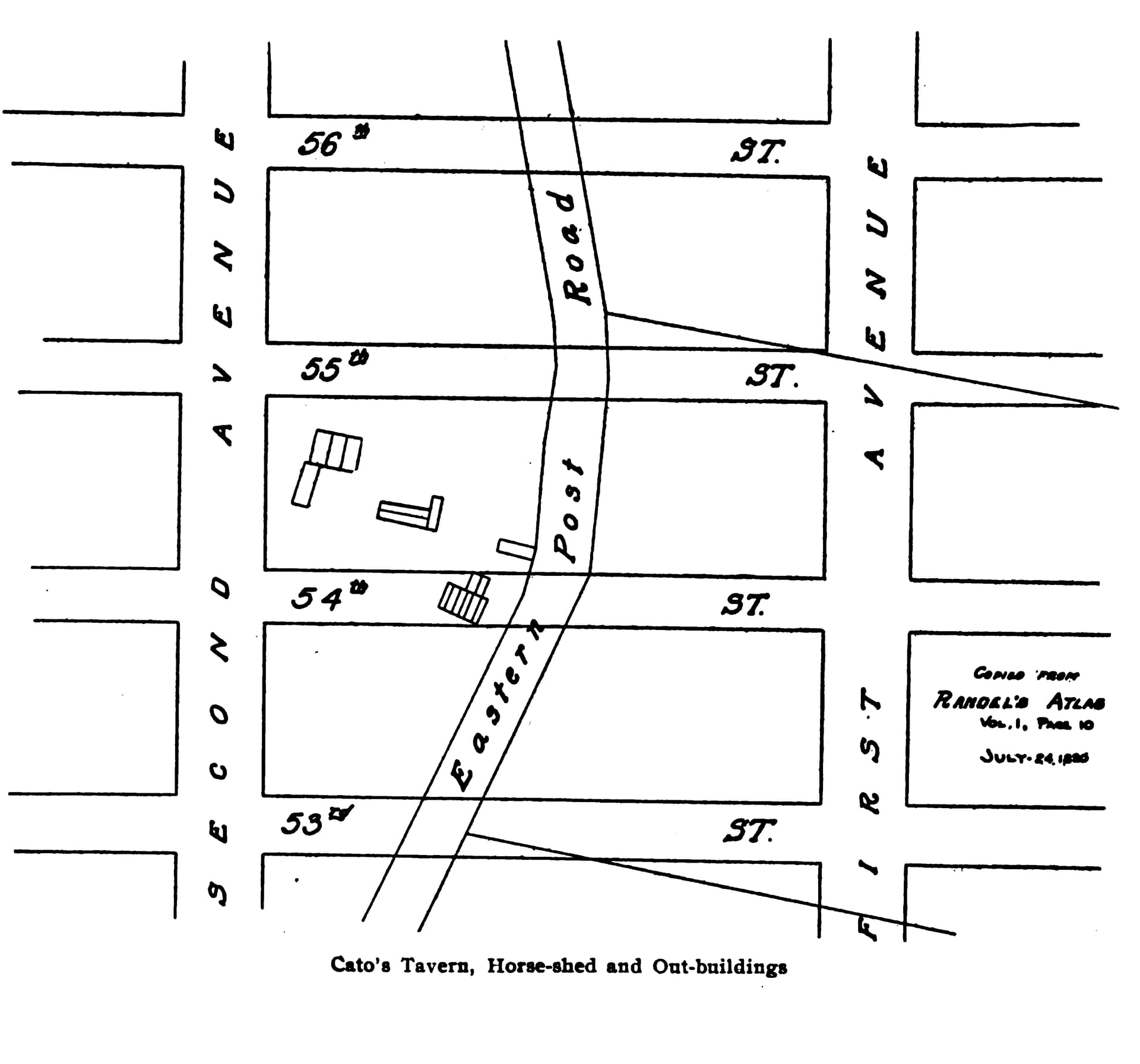
For thirty years, the tavern was a favored destination for New York City’s elite, serving renowned cocktails, such as gin slings and brandy juleps, along with dishes like curried oysters and roast duck. Alexander’s expertise in hospitality and mixology garnered widespread acclaim, and he is often credited as America’s first celebrity bartender.1 Notable drinks attributed to him include the South Carolina Milk Punch and Virginia Eggnog.
Despite his achievements, Alexander’s generosity led to financial hardship, as he gave significant loans to patrons who failed to repay him.2 An attack on his tavern in 1831 further exacerbated his financial challenges.3 He ultimately closed the tavern in the 1840s and operated a saloon on Broadway, which lasted only one year. Alexander died in poverty in 1858, yet his legacy endures in the history of American hospitality and mixology.
Rum Punch
Serves 18 to 20
- 3 cups overproof dark rum
- 3 cups Ten to One White Rum
- .25 cup grenadine
- 4 lemons, peeled and peels reserved
- 4 cups water
- 1 cup lemon juice
In a large container, combine sugar and lemon peels and muddle together to release the citrus oils, creating an oleo-saccharum. Allow the oleo-saccharum to rest for at least 30 minutes, then add lemon juice and water and whisk until the sugar is dissolved. Strain to remove the peels, then add the rum and stir. Add a block of ice to chill, and continue to add smaller pieces of ice until the desired dilution is reached. Garnish with lemon wheels and freshly grated nutmeg.
John Dabney (1825-1900): From Enslavement to Culinary Legend
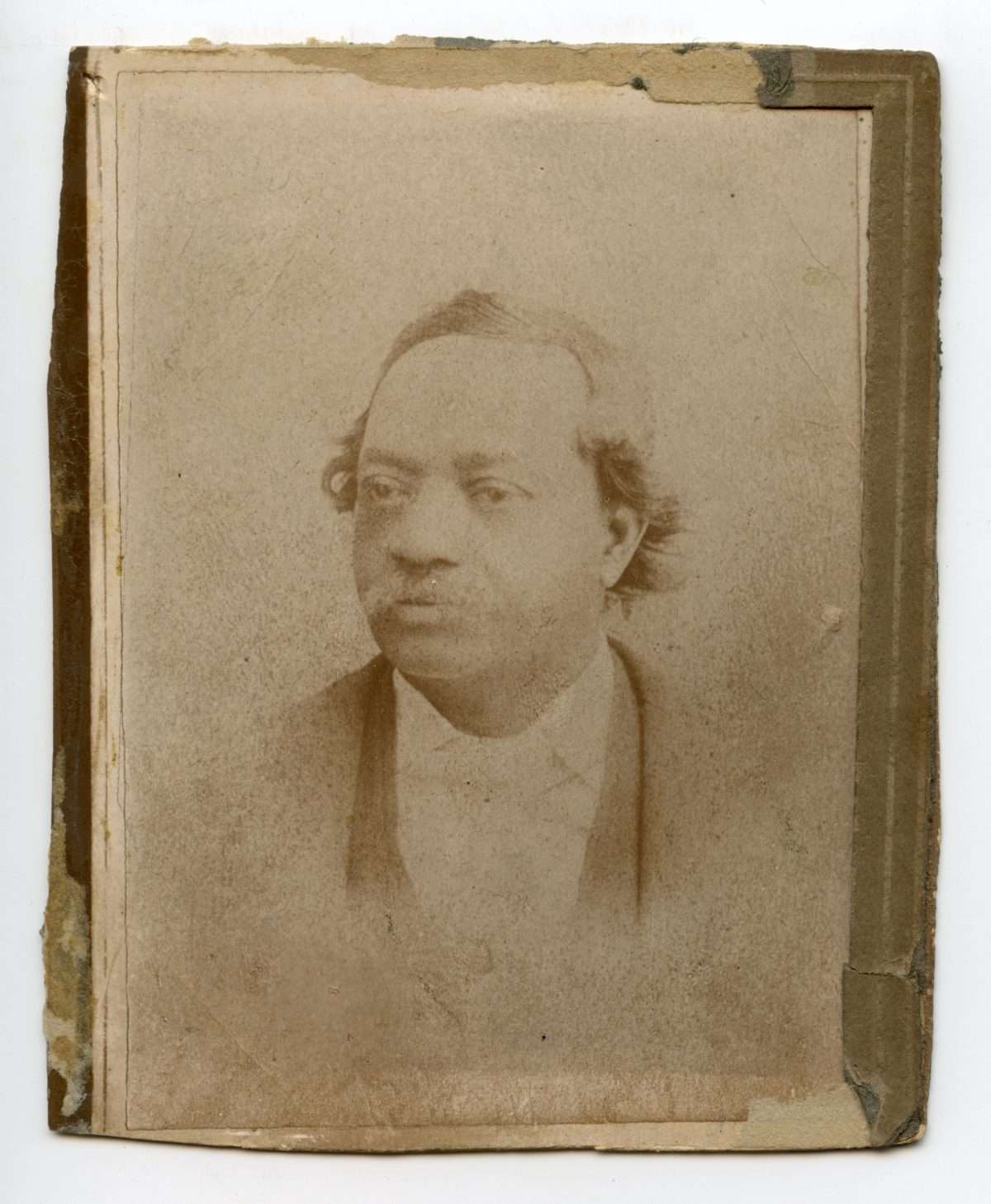
John Dabney, born into slavery in Virginia around 1824, spent over four decades in bondage and was trained in hospitality after a short career as a jockey—first as a waiter, and later as a bartender. He became a renowned figure in Richmond for his sophisticated cocktails and commitment to service, earning fame among White society even before emancipation.4
Dabney’s signature creation was the “hail-storm” mint julep, named for the finely shaved ice that gave the drink its distinctive frosty appearance. Served in ornate silver cups and garnished with mint, citrus, and berries, these juleps gained legendary status across the South. Dabney also worked at the Ballard House Hotel, where his bar service attracted elite clientele, including the Prince of Wales in 1860. His commitment to craftsmanship defined early American cocktail culture.
After emancipation, Dabney continued shaping Richmond’s hospitality industry by founding his own restaurants and saloons. While later celebrated for his cuisine, his foundational influence on American bar history stands as a testament to the lasting impact of Black bartenders and chefs on Southern and American food and beverage culture.
Southern Mint Julep
Julian Anderson, Julian’s Recipes, 1919; amended for Skurnik Wines & Spirits
- 1 oz Pinhook Straight Bourbon Whiskey
- .5 oz Dudognon Selection Cognac
- 1 tsp overproof Jamaican rum
- .5 oz simple syrup
- 8–10 mint leaves
Combine all ingredients in a Julep cup and top with crushed ice; swizzle to incorporate. Top with more crushed ice and garnish with a bouquet of fresh mint.
Richard Francis (1827-1888): A Fixture in the DC Political Scene
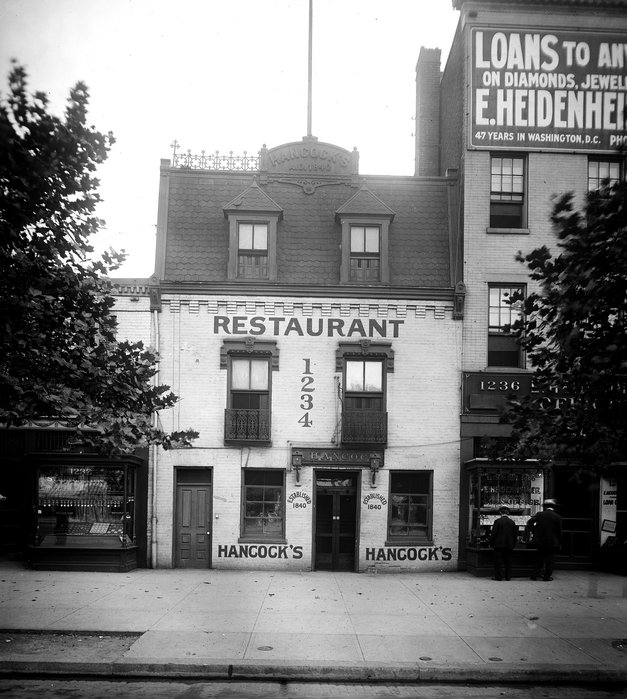
Richard “Dick” Francis was a distinguished bartender and hospitality professional in Washington, DC, whose career spanned over five decades. Beginning in the 1850s, Francis advanced from busboy to head bartender at the esteemed Mayflower Hotel, serving generations of politicians, celebrities, and foreign dignitaries.5 Renowned for his meticulousness and expertise in classic cocktails, he cultivated a devoted clientele at DC’s famed Hancock’s Restaurant and helped define a golden era of bartending during a period when few Black bartenders received recognition or advancement in elite establishments.
Francis also worked to preserve and elevate African American achievements in mixology by co-founding The Mixologist Club, a DC-based organization dedicated to honoring Black bartenders’ history and mentoring newcomers.6 Through galas and catered outings, public demonstrations, educational programs, and professional mentorship, he linked the pioneering achievements of Cato Alexander and John Dabney to contemporary bar culture. His ongoing influence reinforced a tradition of Black excellence within the profession.
Francis died in 1888, leaving a legacy that continued through his physician son, who acquired Hancock’s Restaurant.7 Today, Francis is remembered for his remarkable career, mentorship, and contributions to DC hospitality. His work is honored through cocktail events, publications, and cultural commemorations that celebrate African American achievement in U.S. culinary history. In a city known for political influence and sophistication, Francis’s name remains synonymous with hospitality and craftsmanship behind the bar.
The recipe for Dick Francis’s special cocktail comes from a reporter who had it at Hancock’s a few years after its inventor’s death. It was made by another Black bartender, Francis’s apprentice and successor, whose name, like those of most bartenders, is lost to history.
Dick Francis’ Special
David Wondrich, Imbibe Magazine; amended for Skurnik Wines & Spirits
- 2 oz Willett Old Bardstown 90 Proof Straight Bourbon Whiskey
- .5 tsp Caffo Maraschino Liqueur
- .25 oz raspberry syrup
- 2 dashes King Floyd’s Aromatic Bitters
- 4 lemon eighths
Combine bitters, lemon eighths, and raspberry syrup in a mixing tin and muddle. Add maraschino and whiskey and shake with ice. Double strain into a chilled coupe. Garnish with a skewered banana slice and a half orange wheel.
Raspberry syrup:
- 200 g sugar
- 100 g raspberries
- 50 g water
Combine sugar and raspberries in a quart container or large resealable plastic bag. Muddle the raspberries, seal, and allow to sit in the refrigerator for 12–24 hours. Add water and mix until sugar is dissolved. Fine strain.
More on the Mixologist Club: Organizing, Professionalism, and Community
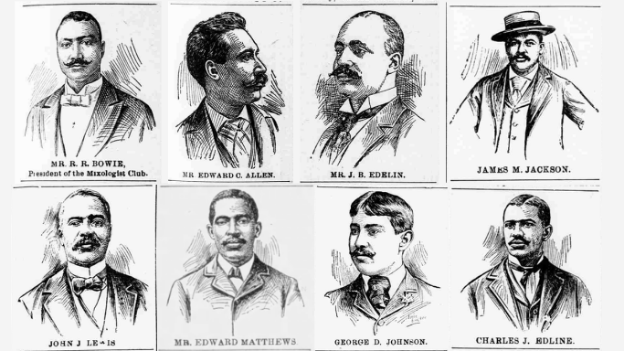
Washington DC’s Mixologist Club was founded in 1898 with a rising cohort of professional bartenders that developed in Black-owned establishments. The need for Black-owned bars under Washington DC’s strict segregation laws meant that Black employees and owners of a few establishments catered to an exclusively Black clientele that were barred from White-only establishments under Jim Crow.8 The early leadership included Mr. R. R. Bowie (President), William J. Edelin (Vice President), Washington Wood (Secretary), James M. Jackson (Financial Secretary), Edward Matthews (Treasurer), George D. Johnson (Chaplain), John J. Lewis (Sergeant at Arms), and Edward C. Allen (Master of Ceremonies). While few details have been preserved in newspaper archives and history books, the current beverage industry continues to learn about these gentlemen and their contributions to the craft of cocktailing today.
The organization’s priority of projecting respectability, polish, and career legitimacy reflected their patrons’ own focus on academic, artistic, and political accomplishments in a city with the second-largest population of African Americans. Up until the turn of the century, “mixologist” was a title that could apply to someone working a soda counter, pouring beers, or developing complex cocktails to complement the finest menus.9 While previous press mentions of ”mixologist” found the title or position specious, the founders and early members of the Mixologist Club worked to elevate the status of the profession by organizing and educating members.
Two years after the founding of the Mixologist Club, the local newspaper The Colored American praised their accomplishments and mission in itscoverage of the club’s gala: “As its name indicates it is made up principally of the very useful gentlemen who tickle the popular palate with artistic combinations of the ‘fluid that cheers’ and who are wont to talk entertainingly of the weather, the drama, the ring, the track or politics while shoveling in the cracked ice….”10
In 1905, members Wood and Washington—along with Wilfred M. Carter, Edwin T. Dorester, and Edward C. Allen—filed to incorporate the Bartender’s Relief Association with a capital fund of $7,500, or $276,240.34 in 2026 dollars.11 The organization helped build new infrastructure to support trade members and their families and served as an ally to hospitality workers beyond the DC area.
Almost Famous
Shannon Mustipher, Tiki: Modern Tropical Cocktails, 2019; amended for Skurnik Wines & Spirits
- 1 oz overproof Jamaican rum
- 1 oz Yellow Chartreuse
- 1 oz Contratto Aperitif
- 1 oz lime juice
Combine all ingredients in a mixing tin and shake with ice. Strain into a chilled coupe and garnish with a dehydrated lime wheel.
Tom Bullock (c. 1872-1964): Author of The Ideal Bartender

Tom Bullock, an entrepreneurial African American bartender, author, and innovator, made significant contributions at the turn of the 20th century. Born in Louisville, Kentucky, in 1872 to formerly enslaved parents, he developed his craft at renowned venues such as the Pendennis Club and the St. Louis Country Club. Bullock’s clientele included some of the nation’s most influential figures, such as George Herbert Walker.
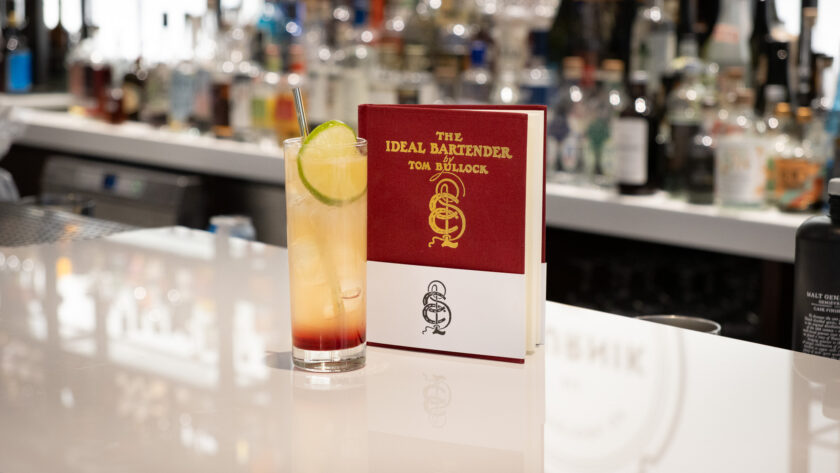
In 1917, Bullock became the first Black American to publish a cocktail book, The Ideal Bartender. The publication not only preserved numerous classic pre-Prohibition recipes but also challenged racial barriers in an industry that frequently overlooked Black excellence. His work was highly regarded, and his recipes were considered sufficiently authoritative to be cited in court testimony during Prohibition (Michael Jones, “The Life and Legacy of Tom Bullock,” May 28, 2020).12 Despite his professional achievements, Bullock’s name and contributions were largely omitted from mainstream cocktail history for many years.
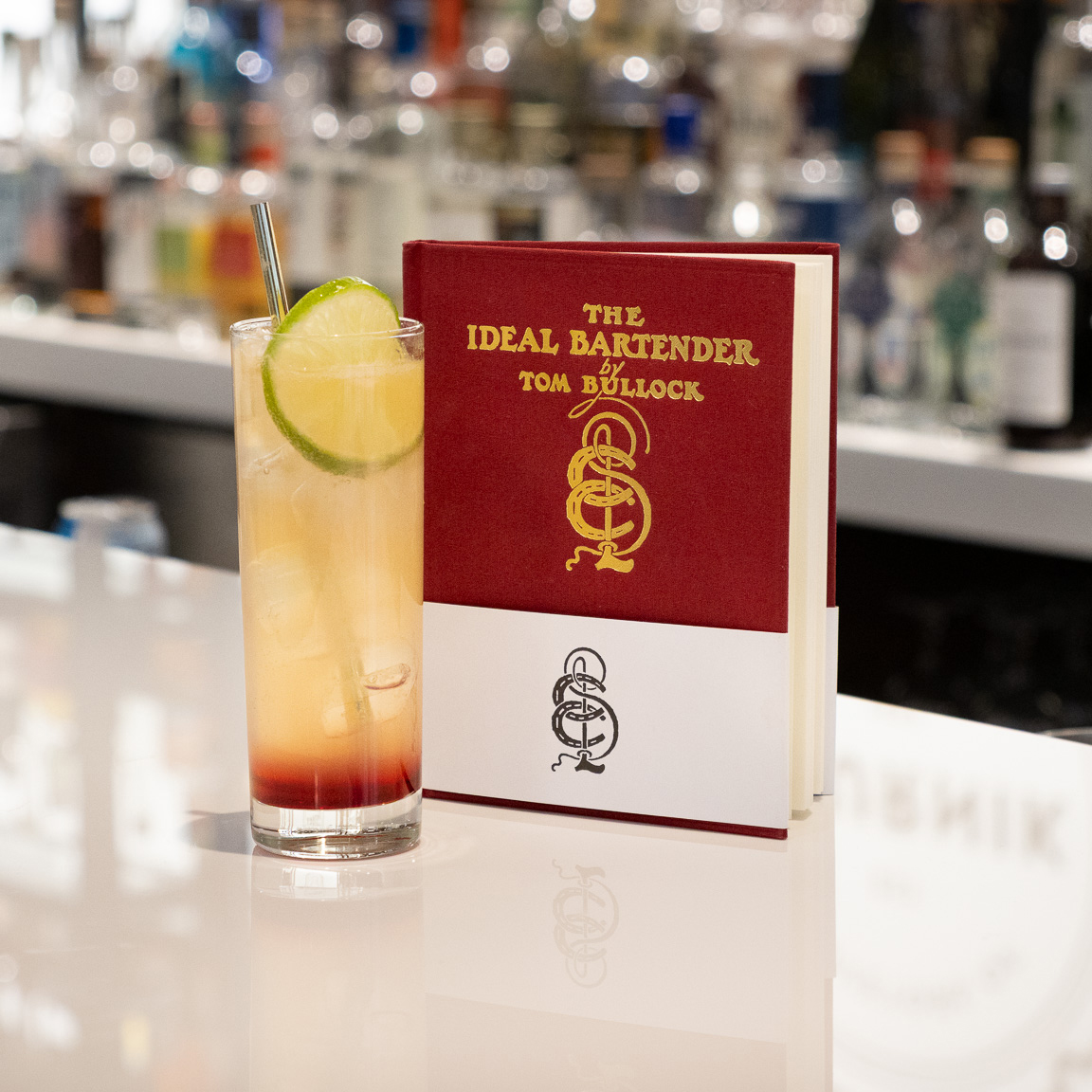
Today, Tom Bullock is acknowledged as a foundational figure in American bartending. His historical importance has been reexamined amid the resurgence of craft cocktail culture and renewed interest in African American contributions to hospitality. Through his refined cocktails, literary accomplishments, and lasting influence, Bullock embodies skill, dignity, and resilience amid racial inequality.
Overall Julep – St. Louis Style
Tom Bullock, The Ideal Bartender, 1917; amended for Skurnik Wines & Spirits
- 1 oz James E. Pepper 1776 Straight Bourbon Whiskey
- 1 oz Leopold Bros Leopold’s Small Batch Gin
- .5 oz grenadine
- .25 oz lemon juice
- .25 oz lime juice
Combine ingredients in a mixing tin and shake with ice. Strain into a Collins glass over ice and top with soda water.
References
1. Sullivan, Jack. “Cato Alexander: America’s 1st Celebrity Bartender.” Pre-Pro Whiskey Men, 2023. https://pre-prowhiskeymen.blogspot.com/2023/01/cato-alexander-americas-1st-celebrity.html.
2. “Black History Month: Cato Alexander.” Ginprof.com, 3 February 2023. https://www.ginprof.com/post/black-history-month-cato-alexander.
3. “Cato Alexander.” Wikipedia, n.d. https://en.wikipedia.org/wiki/Cato_Alexander.
4. Schwarz, Philip & Dictionary of Virginia Biography. John Dabney (ca. 1824–1900). 07 December 2020. In Encyclopedia Virginia. https://encyclopediavirginia.org/entries/dabney-john-ca-1824-1900.
5. “Dick Francis (bartender).” Wikipedia, n.d. https://en.wikipedia.org/wiki/Dick_Francis_%28bartender%29.
6. Sullivan, Jack. “Dick Francis – Black Bartender to Congress.” Pre-Pro Whiskey Men, 7 November 2022. https://pre-prowhiskeymen.blogspot.com/2022/11/dick-francis-black-bartender-to-congress.html.
7. “A Famous Bartender Dead.” The Washington Post (1877-1922), 6 November 1888; ProQuest Historical Newspapers The Washington Post (1877 – 1996) pg. 2.
8. Goldfarb, Aaron. “The Century-Old Club That Changed Washington, D.C. Cocktails.” PUNCH. 2 November 2022. https://punchdrink.com/articles/century-old-mixologist-club-revisited-washington-dc/.
9. Tipton-Martin, Toni. Juke Joints, Jazz Clubs, and Juice: A Cocktail Recipe Book: Cocktails from Two Centuries of African American Cookbooks. Summer Beam Books. 2023.
10. “The Mixologist Club.” Colored American (Washington, DC), 10 November 1900.
11. “Three Charters Issued.” The Baltimore Sun (Baltimore, Maryland), 3 August 1905.
Additional Resources
Anderson, Julian. Julian’s Recipes. Record Printing Company. March 1919.
Byck, Daniella. “The Ideal Bartender by Tom Bullock: A New Cocktail Series Honors DC’s Black Bartenders, Past and Present.” Washingtonian, 29 August 2019, https://www.washingtonian.com/2019/08/30/a-new-cocktail-series-honors-dcs-black-bartenders-past-and-present/.
“The Mixologists at G.A.R. Hall Monday Next.” Colored American (Washington, DC), 24 November 1900.
Hahn, Fritz. “Join the Black Mixologists Club.” Washington Post, 1 May 2013, https://www.washingtonpost.com/goingoutguide/join-the-black-mixologists-club/2013/05/02/3e9820ea-ad37-11e2-b6fd-ba6f5f26d70e_story.html.
Mustipher, Shannon. Tiki: Modern Tropical Cocktails. New York. Rizzoli, 2019.
“Original sources: The Black Mixologist Club.” Washington Post, 3 May 2012, https://www.washingtonpost.com/news/going-out-guide/wp/2013/05/03/original-sources-the-black-mixologist-club/.
Pittet, Diana. “The History of Black Bartenders.” SevenFiftyDaily, 1 September 2017, https://daily.sevenfifty.com/the-history-of-black-bartenders/.
Randel, John, Jr. Randel’s Atlas. Vol. 1, plate 10. New York, NY, 1820. Museum of the City of New York.
“Tom Bullock.” Wikipedia, 2023. https://en.wikipedia.org/wiki/Tom_Bullock.
Wondrich, David. “Dick Francis’ Special.” Imbibe Magazine, 20 November 2012, https://imbibemagazine.com/dick-francis-special/.
Featured Spirits and Bitters
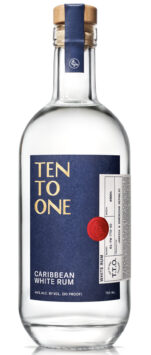
Ten to One, White Rum
- Unaged blended rum sourced, blended, and bottled by Ten to One
- Unaged column still rum distilled from sugarcane juice by Alcoholes Finos Dominicanos (A.F.D.) in the Dominican Republic
- Unaged pot still rum distilled from molasses by Worthy Park in Saint Catherine Parish, Jamaica
- Fruity and floral aromas of guava, jasmine, lemongrass, and salted caramel precede a mineralic, high-toned palate of lemon zest and freshly cut grass with vanilla cream, banana, and saltwater taffy
- Double gold medalist at the 2023 and 2024 San Francisco World Spirits Competitions
- No added sugar, coloring, or other additives
- 45% ABV
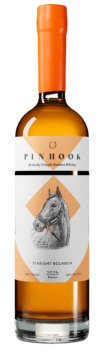
Pinhook Whiskey, Straight Bourbon Whiskey [Orange Wax]
- 2025 vintage straight bourbon whiskey produced by Pinhook Whiskey
- Distilled at Castle & Key Distillery in Frankfort, KY; blended by Pinhook Cofounder and Master Blender Sean Josephs
- Mash bill of 75% corn, 15% rye, 10% malted barley; all grain non-GMO
- Distilled in a Vendome copper column still and 375-gallon doubler
- Aged over 3 years in char #4 new American oak barrels; non-age statement
- Proofed with ground-fed, limestone-filtered spring water
- The nose showcases lush tropical fruit drizzled with honey and caramel followed by soft bakery and glazed donut notes that evolve into a warm palette of clove, graham cracker, and cinnamon
- Non-chill filtered; 50% ABV
Embracing vintage variation, Pinhook annually crafts its core whiskies from select mature stock. Each expression highlights the unique attributes of that season’s barrels, so quality (rather than consistency for its own sake) becomes the throughline of the brand. Proofed to this batch’s sweet spot of 50% ABV, with a generous portion of rye in the mash bill, this bourbon doubles as an everyday sipper that glides into blue-ribbon classic cocktails.
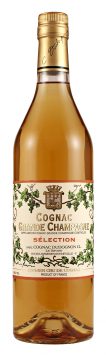
Maison Dudognon, Cognac ‘Selection’ 5 Years Old
- Grande Champagne Cognac produced by Maison Dudognon in Lignières-Sonneville, France
- Appellation Cognac Grande Champagne Contrôlée
- Approximately 90% Ugni Blanc and 10% Montils
- Double distilled in alembic stills fired with charcoal and wood
- Aged 5 years in 350-liter Limousin oak barrels; approximately 8 months in new oak before being transferred to older barrels
- A nose of underripe pear, chocolate crème, white flowers, and honeycomb transition to a spiky palate of baby arugula and macadamia skin; poached yellow apple arrives fashionably late on the long finish
- No additives
- 44% ABV
While young and light in body, this Cognac’s fresh-fruit character and higher-than-average ABV make it ideal for mixing, lending structure to a variety of classic and modern cocktails.
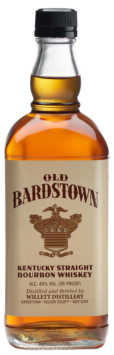
Willett Distillery, Straight Bourbon Whiskey, Old Bardstown
- Straight bourbon whiskey produced by Willett Distillery in Bardstown, Kentucky
- Mash bill of 72% corn, 13% rye, and 15% malted barley
- Produced with limestone-filtered, spring-fed water from the distillery estate
- Sour mash fermented in stainless steel for approximately 3–5 days using a proprietary yeast strain
- Twice distilled using a column still made of copper and stainless steel and a Vendome copper pot still modeled after Willett’s original, patented pot still
- Aged for a minimum of 4 years in new, char #4 American oak barrels from Independent Stave Company’s Kentucky cooperage; non-age statement
- Cinnamon, pineapple upside-down cake, and a hint of flint on the nose precede a soft palate of butterscotch, apple skin, allspice, and vanilla with a dry finish brimming with lingering tropical fruit and baking spice
- 45% ABV
The current iteration of Old Bardstown 90 Proof debuted in 2016, but the family recipe dates to the 1940s. This value-driven version of Willett’s legacy brand is made with effortless cocktailing in mind, as demonstrated by its 750 and liter formats.
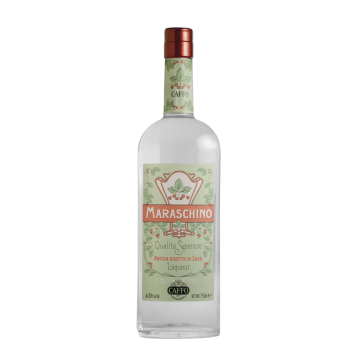
Gruppo Caffo, Maraschino
- Traditional maraschino cherry liqueur produced at Caffo Distilleria Friulia in Udine, Italy
- Produced using Marasca cherries
- Made using neutral grain spirit
- The cherry notes on the nose are rich and warm, with notes of violet and shortbread; the palate is robust and surprisingly bright, capturing the entirety of the Marasca cherry profile—sweet, tart, and mildly astringent
- 30% ABV
An indispensable pantry item for any maker of classic cocktails, Caffo’s Maraschino speaks to the true nature of the Marasca cherry from which this liqueur is made. Dark, ripe, and juicy fruit are at the fore rather than the dry, floral, and marzipan qualities found in other brands within the category.
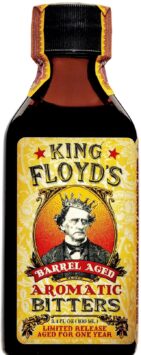
King Floyd’s Bitters, Aromatic Bitters
- Aromatic cocktail bitters produced by King Floyd’s in Novato, California
- Featured botanicals include organic gentian root, organic cacao nib, black walnut, and cardamom
- Each botanical extract is individually crafted using maceration or percolation in corn-based neutral grain spirit or deionized, UV-filtered water before blending
- Lightly sweetened and texturally balanced with a small amount of Grade A maple syrup sourced from Bascom Maple Farms
- Eligible for programs with Wine & Beer Licenses
- 45% ABV
An essential cocktailing component, aromatic bitters are called for in thousands of classic and contemporary cocktails from the Old Fashioned and Manhattan to the Queen’s Park Swizzle and Gin Gin Mule. Use them in place of Angostura or Abbot’s bitters and try them in culinary applications such as chili or French toast.
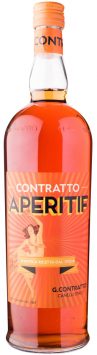
Contratto Spirits, Aperitif
- Aperitif produced by Contratto in Piedmont, Italy
- Grape-based distillate sourced from estate-grown fruit
- Extracts of 28 different herbs, spices, roots and seeds, including aloe, angelica, wormwood, safflower, cinchona, bitter orange, sweet orange, lemon, mandarin, hawthorn, cloves, cardamom, licorice, juniper, mint, rhubarb, sage, nettle and ginger
- Botanicals are crushed through a hammer mill and cold-extracted with hydro-alcoholic solution over 35 days
- Sweetened with beet sugar and colored with carrot and beetroot extracts
- Filtered to remove all solids and rested in stainless steel tank for 40 days
- Double Gold medalist at the 2023 San Francisco World Spirits Competition
- 13.5% ABV
Distilled from the noble Piedmontese grape and packed with orange peel, orange blossom and rhubarb on the nose, Contratto Aperitif is one of the finest of its kind on the market today. White stone fruit, marzipan and a soft bitterness comes through on the palate. The gentian flavor is noticeable but delicate, masterfully balanced with the sweetness of this aperitivo. A natural replacement for Aperol.
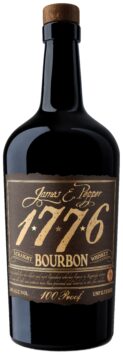
James E. Pepper Distillery, Straight Bourbon Whiskey, 1776
- Straight bourbon whiskey bottled by the James E. Pepper Distillery in Lexington, Kentucky
- Distilled at an undisclosed in Kentucky distillery
- Undisclosed high rye (30%) mash bill
- Aged a minimum of 2 years; non-age statement
- Classic bourbon nose of apples, caramel, and brown sugar charged with cherry, dark chocolate and rye spice. Smooth, medium palate amplifies the brown sugar and cherry notes with a white pepper kick, finishing with oak and vanilla.
- Non-chill filtered; 50% ABV
A tribute to the original “Old 1776” brand introduced by James Pepper in the 1880s, the modern iteration marries consistent high-rye flavor and cocktailing proof with competitive pricing. It’s a high-quality whiskey that’s perfect as a weeknight sipper or cocktail program workhorse.
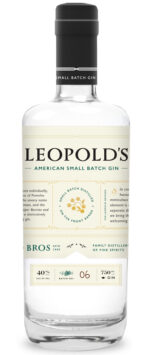
Leopold Bros, Leopold’s Small Batch Gin
- American gin produced by Leopold Bros in Denver, Colorado
- 6 botanicals include juniper, Valencia orange, pomelo, coriander, cardamom, and orris root
- Base spirit column distilled from potatoes, wheat, and floor-malted barley
- Botanicals are distilled separately in hybrid copper pot stills before blending
- Non-chill filtered; 40% ABV
While the six classic botanicals in Leopold Bros’ American Small Batch Gin may be familiar, the distillery takes an uncommon approach to craft its flagship gin. Each botanical is individually distilled in a process referred to as “fractional distillation,” and the distillates are meticulously blended to create a perfect balance of earthy juniper, radiant citrus, and warm baking spice. Perfect for anything from Martinis to Rickeys where the spirit may shine.