

Over the past decade, Korean culture has become a defining force in the American cultural landscape. From K-pop and film to beauty, television, and food, the “K-wave” — or hallyu — has transformed Korean culture from niche interest to global phenomenon. Major cultural moments, from blockbuster series to chart-topping music and viral food trends, have introduced a broader audience to Korea’s rich culinary and artistic traditions, fueling growing curiosity around Korean food and drink alike.
Korean cuisine has firmly established itself within American dining culture, from casual neighborhood restaurants to fine dining tasting menus and cocktail bars. Yet while Korean food has flourished, Korea’s traditional beverage culture has remained comparatively underrepresented in the U.S. market. That is beginning to change. According to IWSR, soju is now among the fastest-growing spirits categories in the United States, with projected CAGR volume growth of +16% between 2024 and 2029. Though still early in its development, the category is beginning to mirror the trajectory of other once-emerging segments like tequila and RTDs, driven by younger consumers, cocktail culture, and the broader momentum of Korean culture itself.
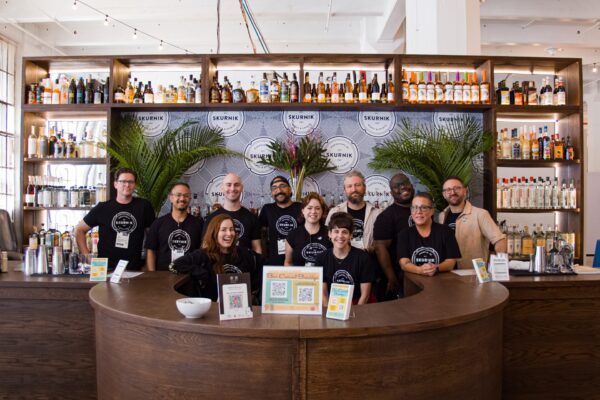
Skurnik has kept up with the zeitgeist when it comes to Korean influence on American culture and the growing interest in traditional and craft Korean, or Korean-inspired, beverages. Now, we are excited to announce the expansion of our Korean craft spirits portfolio through KMS Imports in June 2026. Alongside our core brand, Golden Barley Soju, we are introducing six exceptional craft producers from across Korea, spanning traditionally distilled soju, artisanal makgeolli, savory chungju, and maesil plum spirits. Together, these producers showcase the remarkable breadth and depth of Korean brewing and distilling traditions.
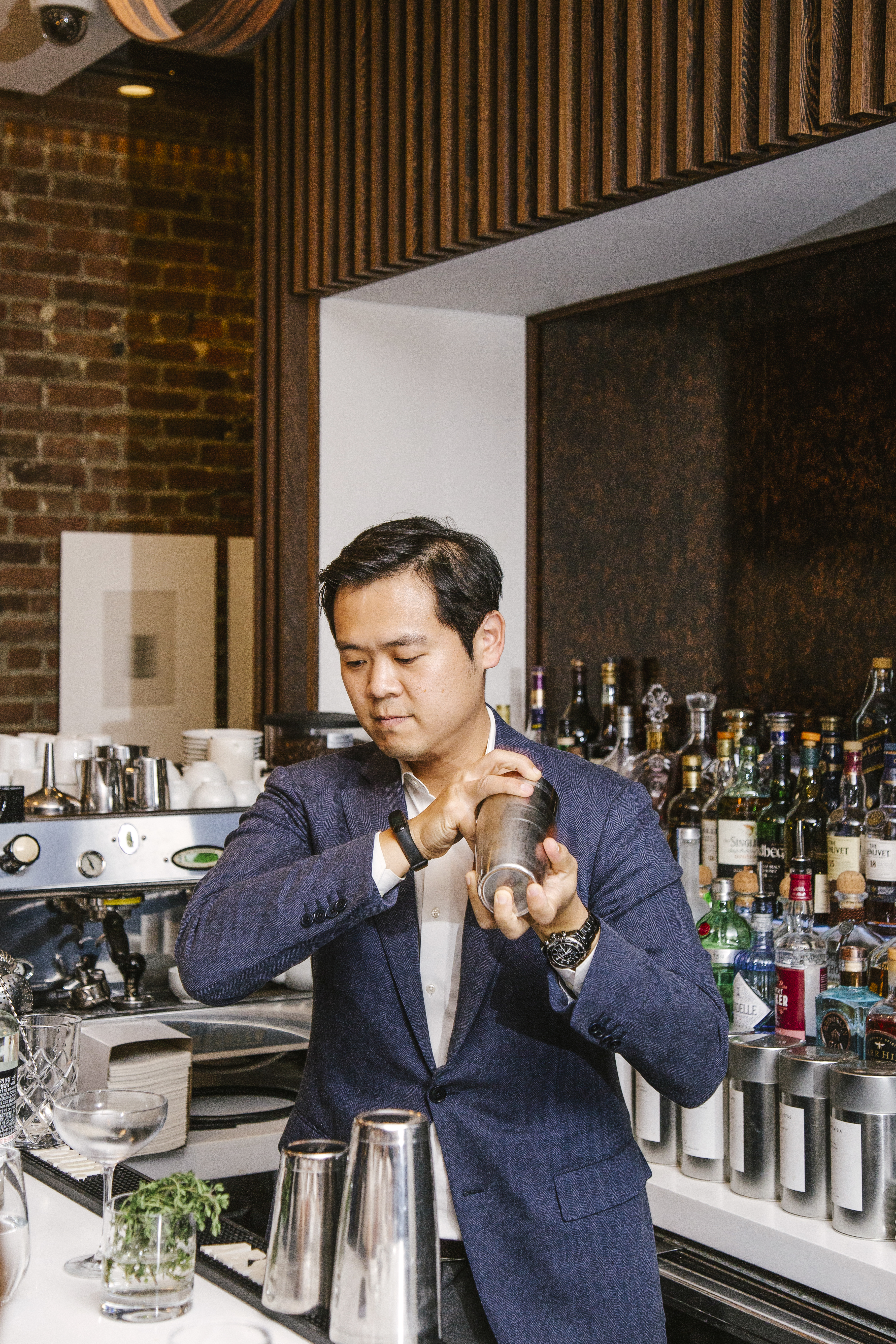
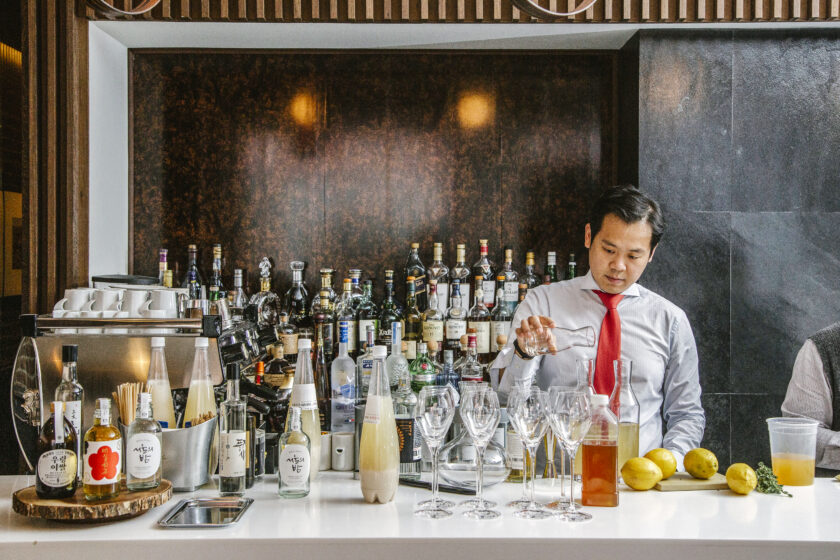
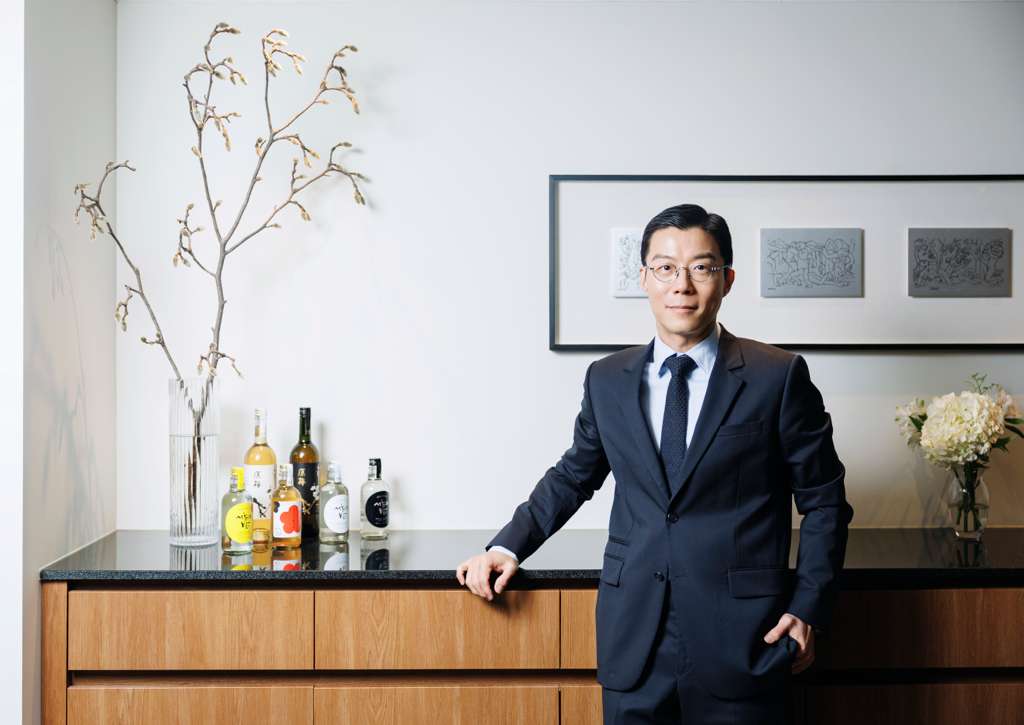
For Master Sommelier Kyungmoon Kim, the founder of KMS imports, the journey began during his time at Jungsik, where he became convinced that authentic Korean food and beverage traditions possess a sense of place and cultural identity that simply cannot be replicated elsewhere. Over the years, he watched Korean cuisine become a staple of American dining culture while the beverage side lagged behind. In response, he returned to Korea to travel throughout the country and seek out producers rooted in regional traditions, craftsmanship, and authenticity. Many of these products have never before been available in the U.S. market.
This expanded portfolio represents a different side of Korean alcohol than the mass-market soju many consumers already know — one centered on heritage, regional identity, and artisanal production. At a moment when bartenders, sommeliers, and spirit-forward retailers are increasingly seeking distinctive, food-friendly, and culturally authentic beverages, Korean craft spirits are poised for a new level of visibility in the American market.
With six new producers across soju, makgeolli, chungju, and plum spirits, this marks an exciting new chapter for our Korean craft portfolio and for the growing presence of Korean beverages in the U.S. market.
OUR KOREAN CRAFT PRODUCERS
SOLSONGJU — Damsoul
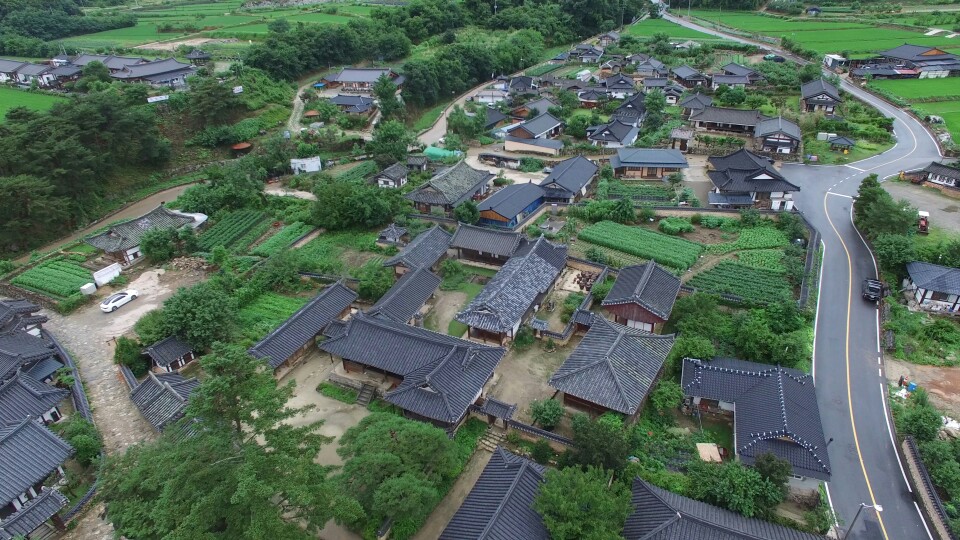
Hamyang, Gyeongnam Province · Korea. Craft Soju — Pine, rice, spruce, and spruce tea
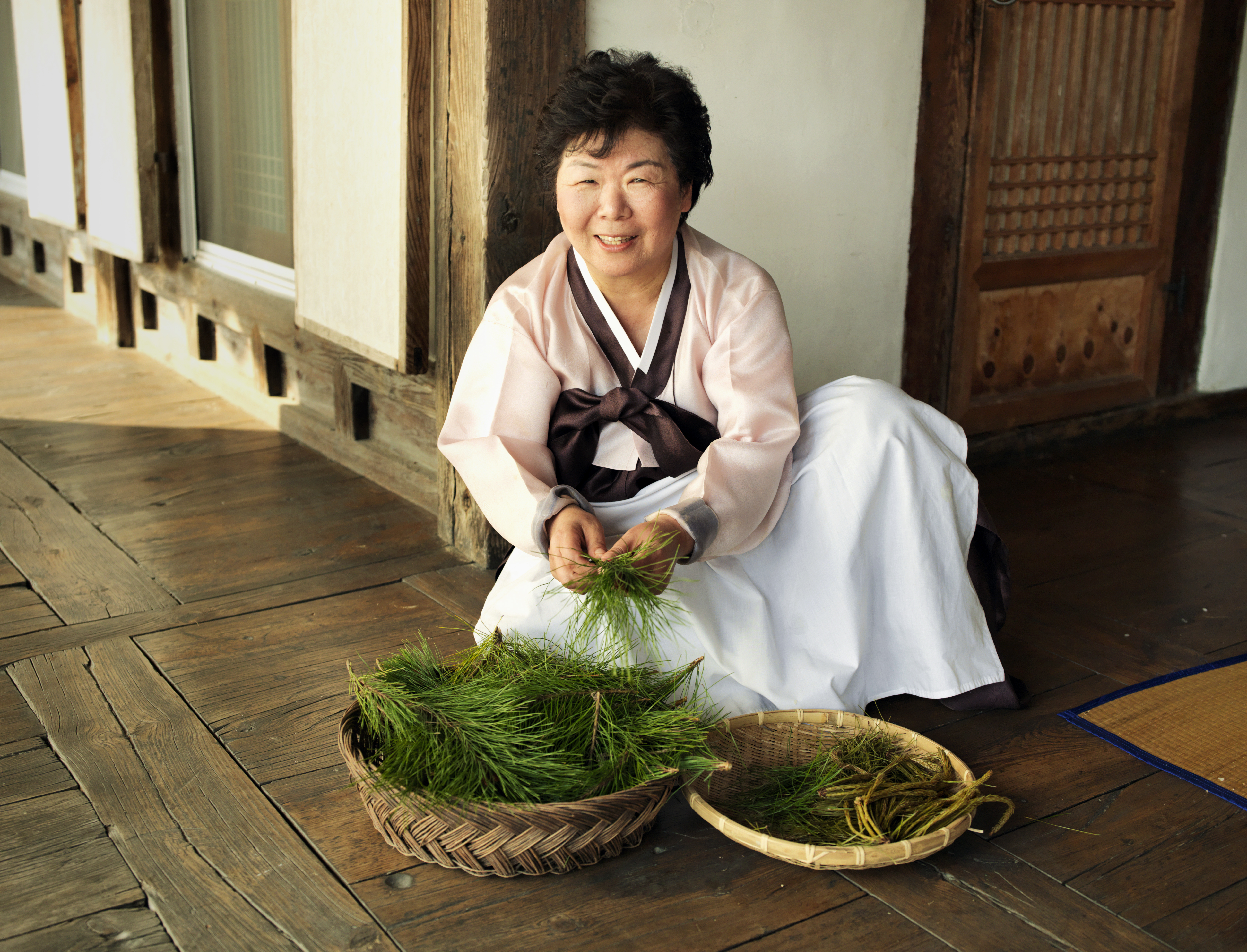
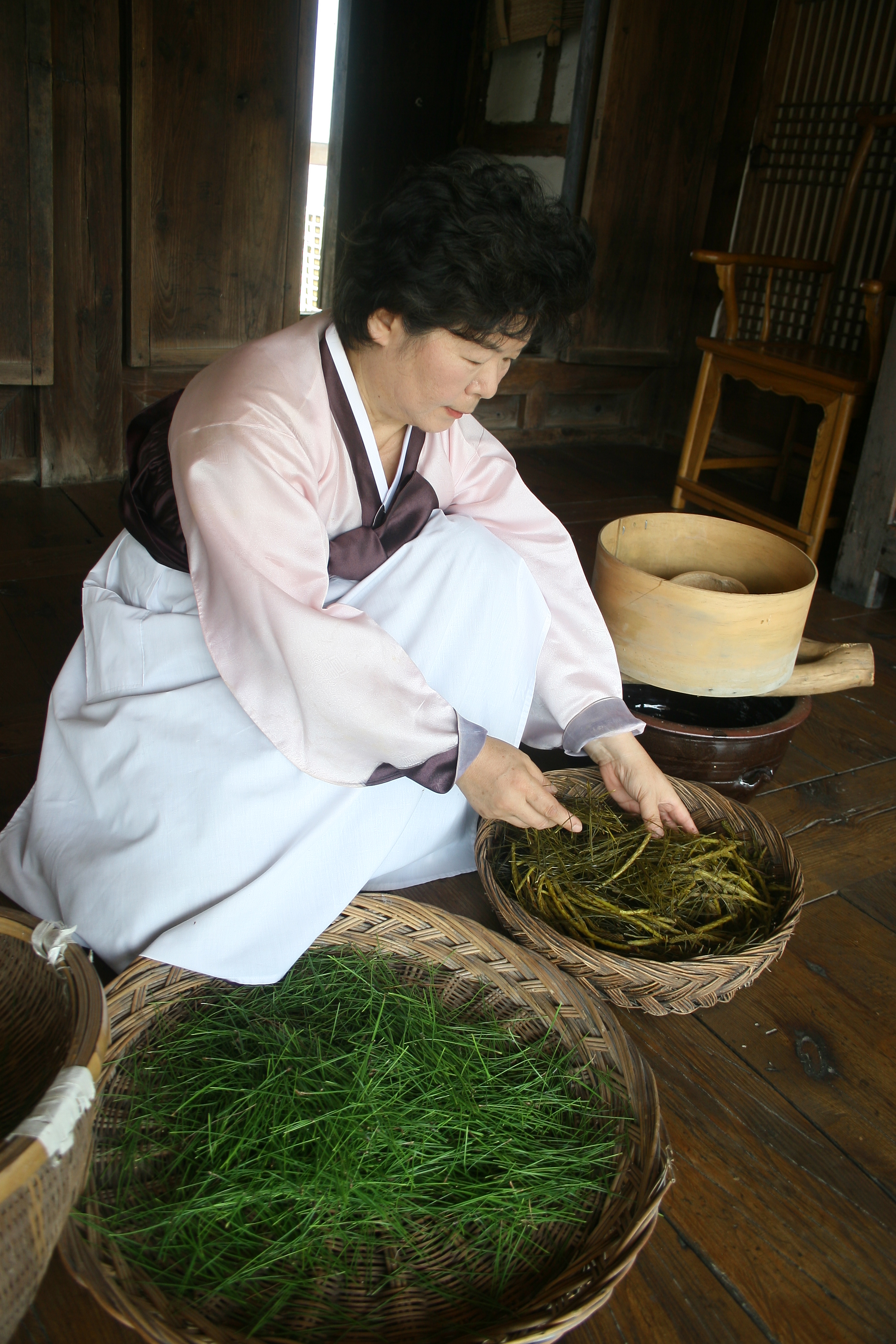
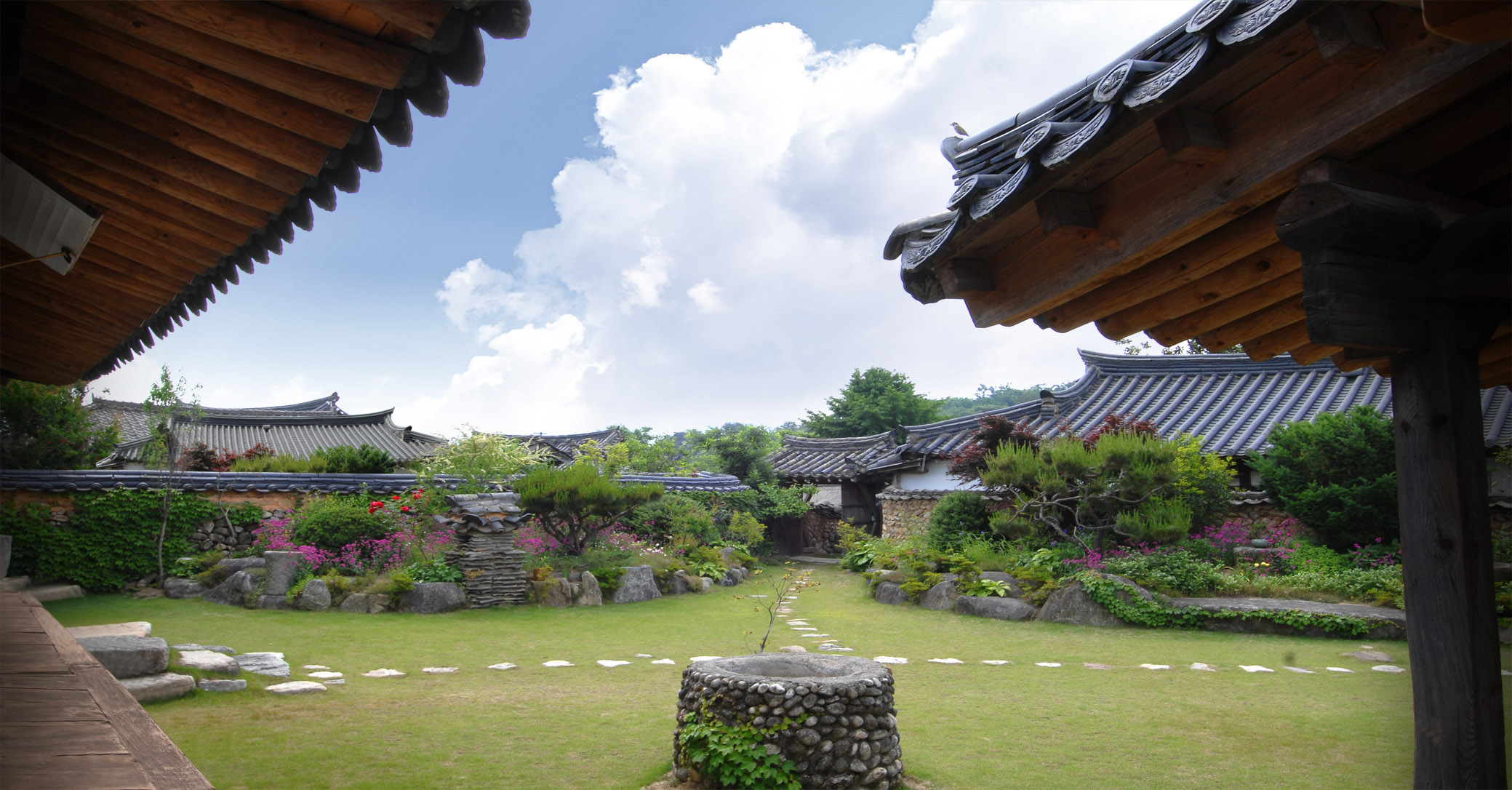
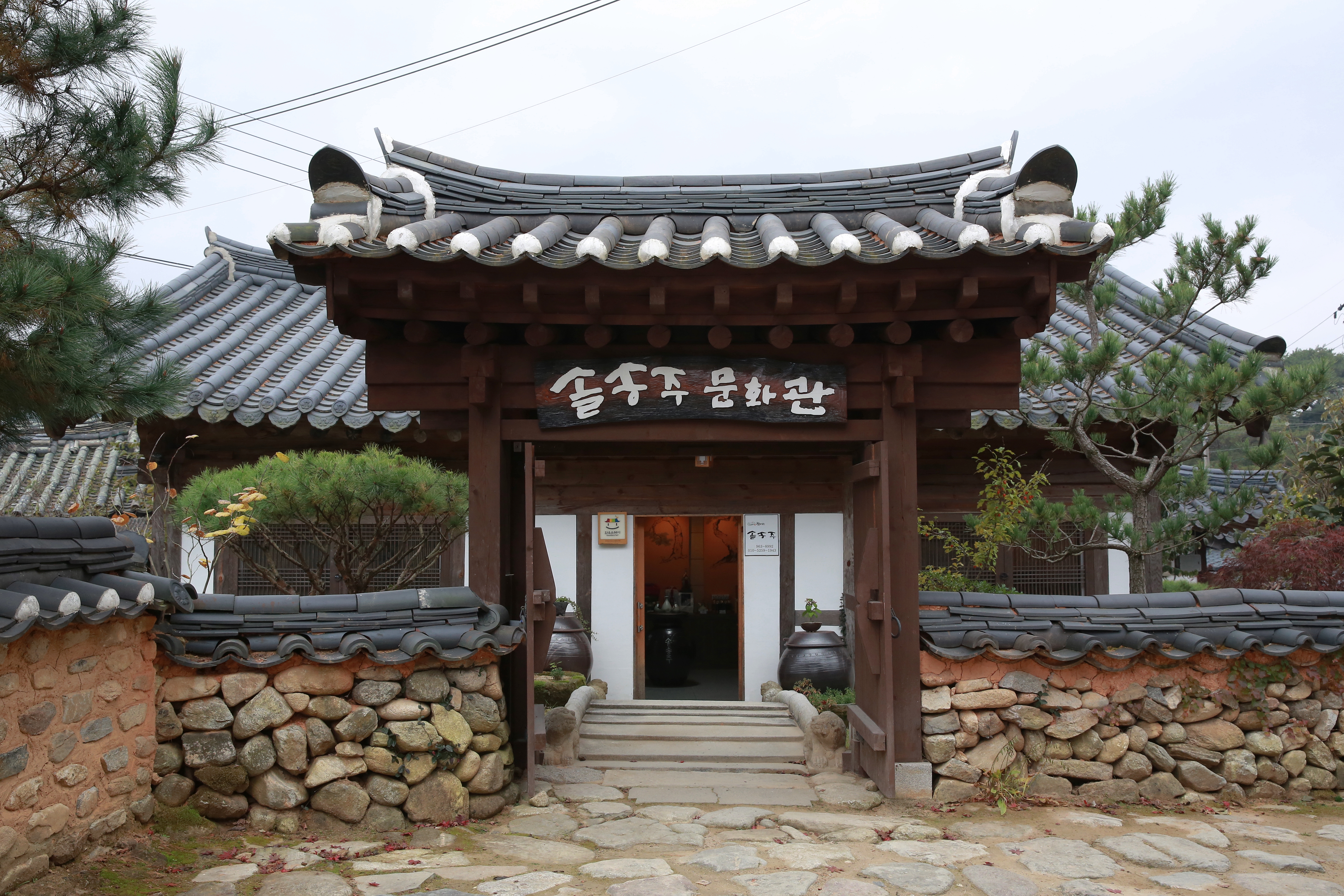
Located in the small village of Hamyang, the Jung family has been brewing Solsongju for over 500 years — 16 generations of the same recipe. The craft has been recognized as a cultural asset by Gyeongnam Province. Park, Heung Sun, the current master brewer, makes a high-quality chungju from steamed rice, nuruk, water, pine needle and spruce, then distills and proofs it down with spruce tea — adding a second layer of subtle pine character. The result is a nuanced, pine-forward spirit that works beautifully as a gin substitute in cocktails.


SULSEAM – Mir Soju
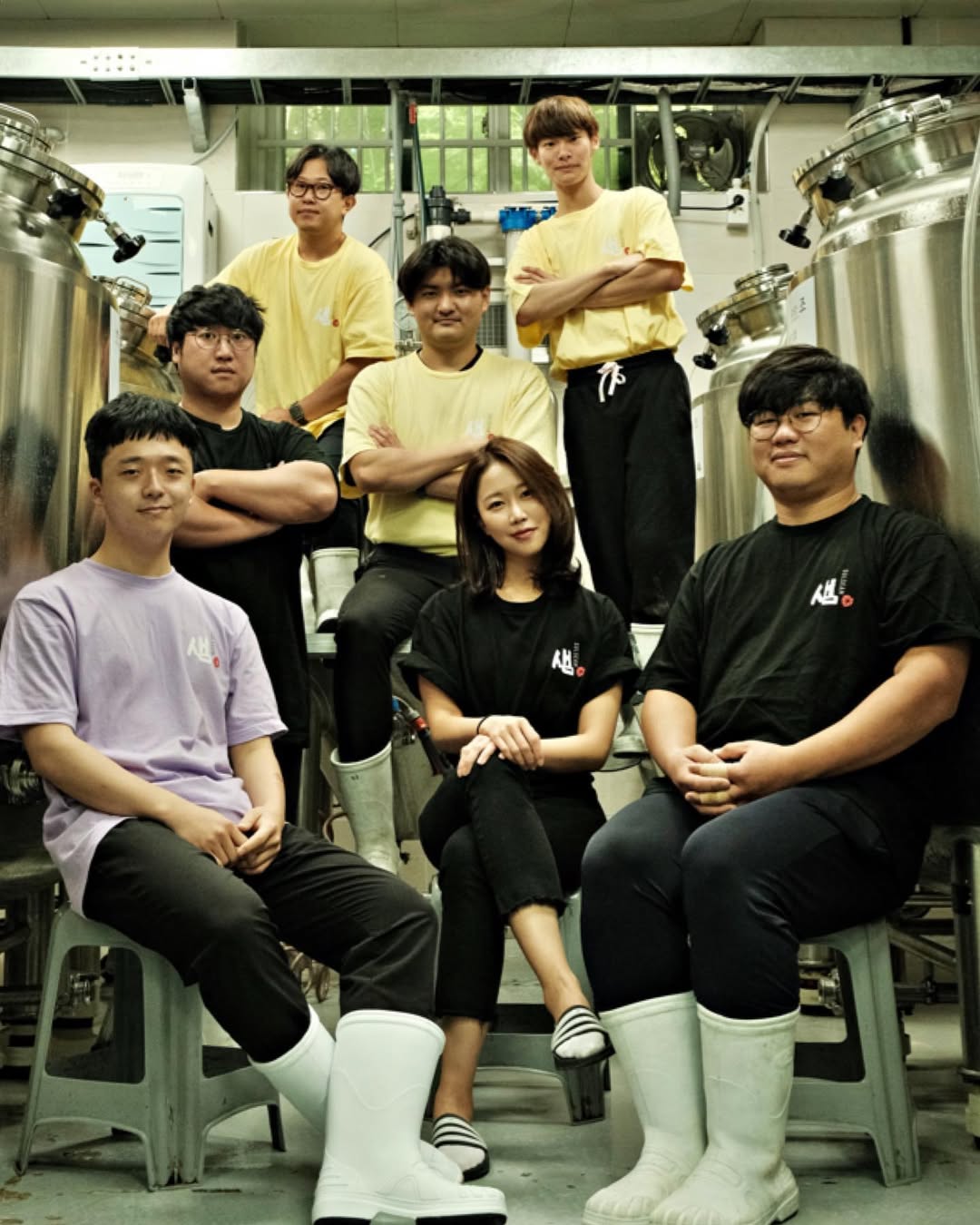
Gyeonggi Province · Korea · Est. 2012. Craft Soju — Traditional Rice
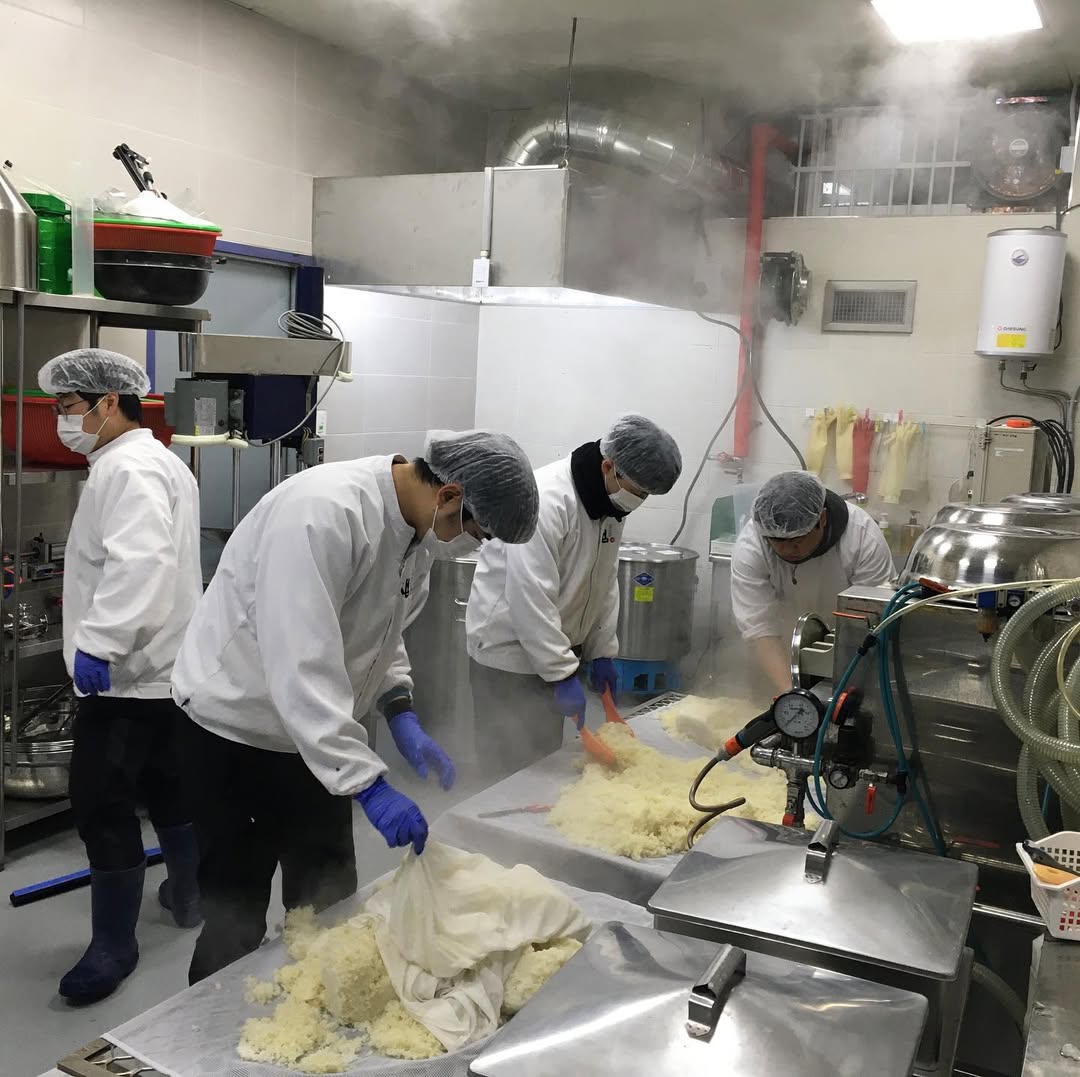
Sulseam is a true pioneer of Korean craft sool, established in 2012 by passionate aficionados from different industries. Their focus: local ingredients to support Korean farmers, and old manuscripts to re-create traditional recipes. Mir is distilled from local Gyeonggi Province rice using only three ingredients — rice, nuruk, and water — making it one of the purest sojus available. In 2018, Mir 40 received the Presidential Award from the Korean Traditional Spirits Competition.
THE HAN
Korea · Maesil Specialists
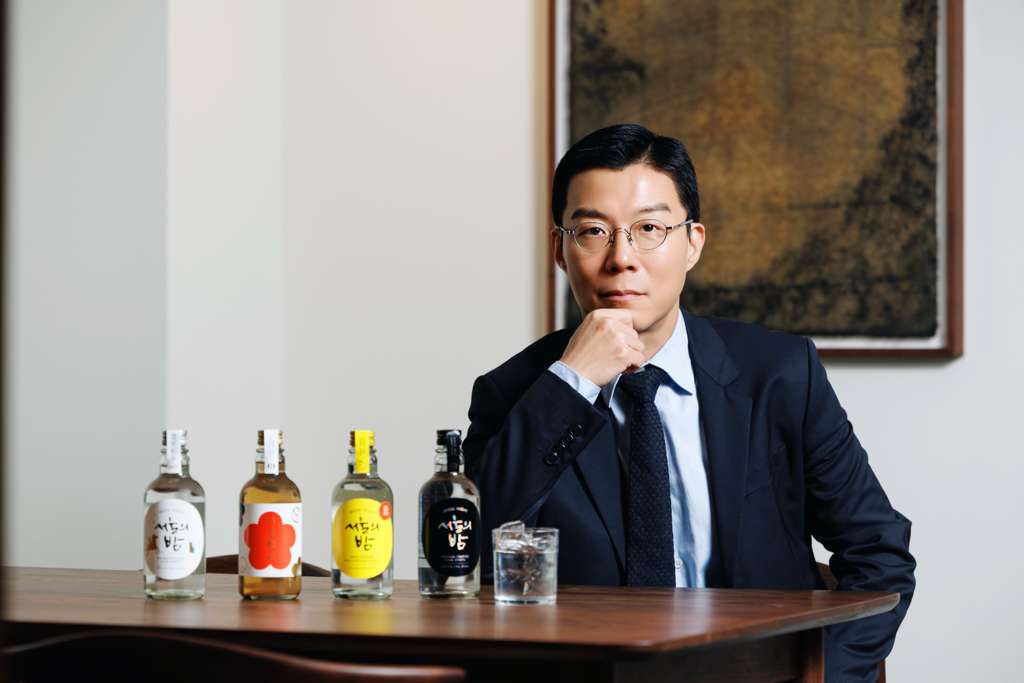
The Han specializes in maesil — Korean golden plum — harvested from their own family orchard at peak ripeness, capturing superior floral aromatics impossible to source commercially. Seoul Night is double-distilled in a vacuum still at 100°F (vs. 173°F conventional), preserving delicate esters and producing extraordinary lightness. Won Mae macerated golden maesil is finished with raw Jeju island honey — a plum liqueur that works beautifully as a white-wine-style aperitif.
SHINPYEONG BREWERY
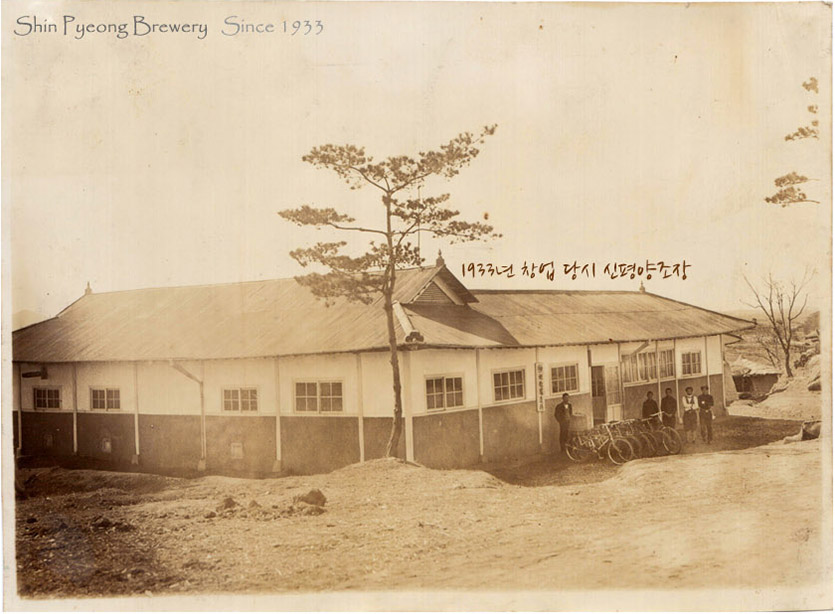
Korea · Est. 1933 · 3rd Generation. Traditional Makgeolli
Founded in 1933, Shinpyeong is one of the oldest breweries still in operation in Korea. A third-generation brewer continues the craft today. Their White Lotus Makgeolli is a takju-style rice wine fermented with white lotus leaves in traditional onggi earthenware vessels — paying homage to the Buddhist tradition of “grain tea.” The white lotus is a symbol of Buddhism and imparts a delicate floral essence to the brew.

YANGCHON BREWERY
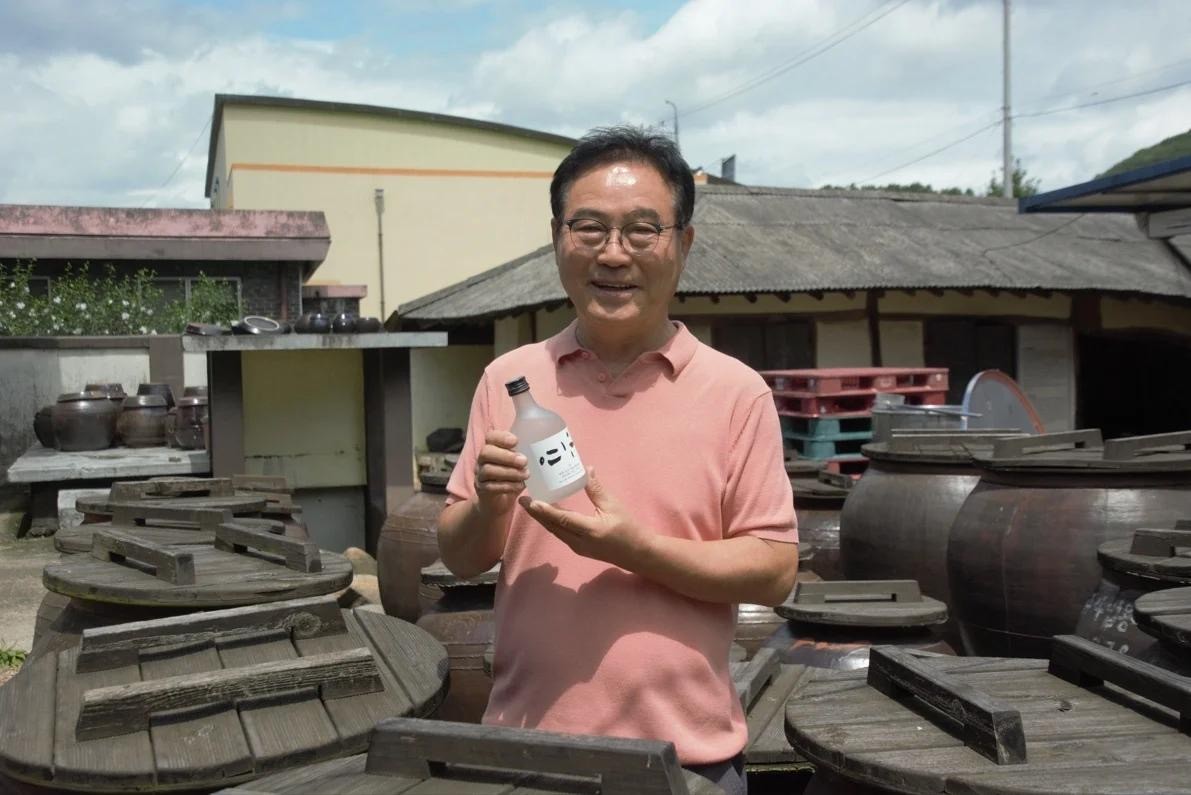
Nonsan · Korea · Est. 1920 · 3rd Generation. Traditional Chungju
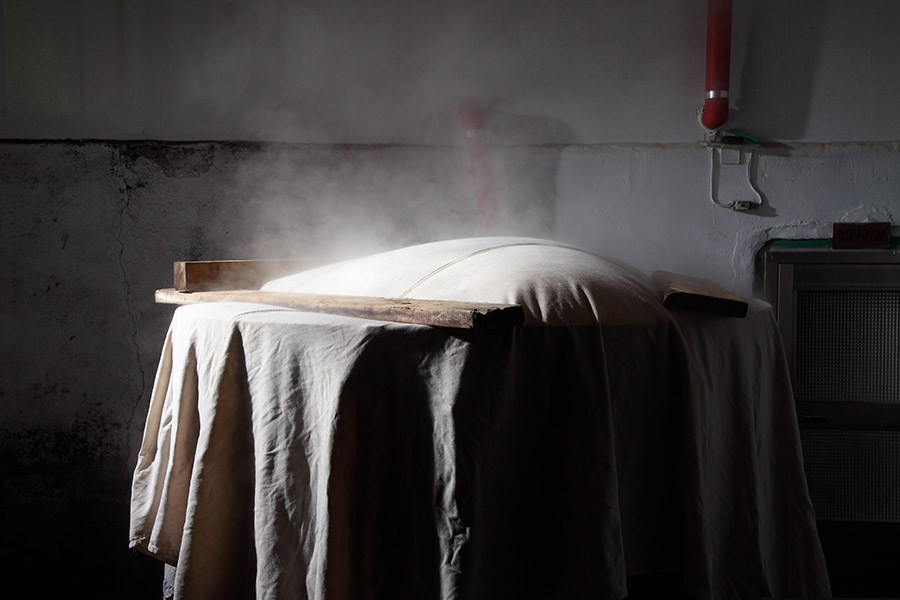
Established in 1920, Yangchon is one of the oldest commercial breweries still in operation in Korea — over 100 years of continuous brewing. Their organic rice is grown using snails released in the paddies to clear weeds, eliminating the need for herbicides. After brewing, the chungju is aged for 60 days then pasteurized before bottling. The result is a deeply savory, complex rice wine that pairs beautifully with food.
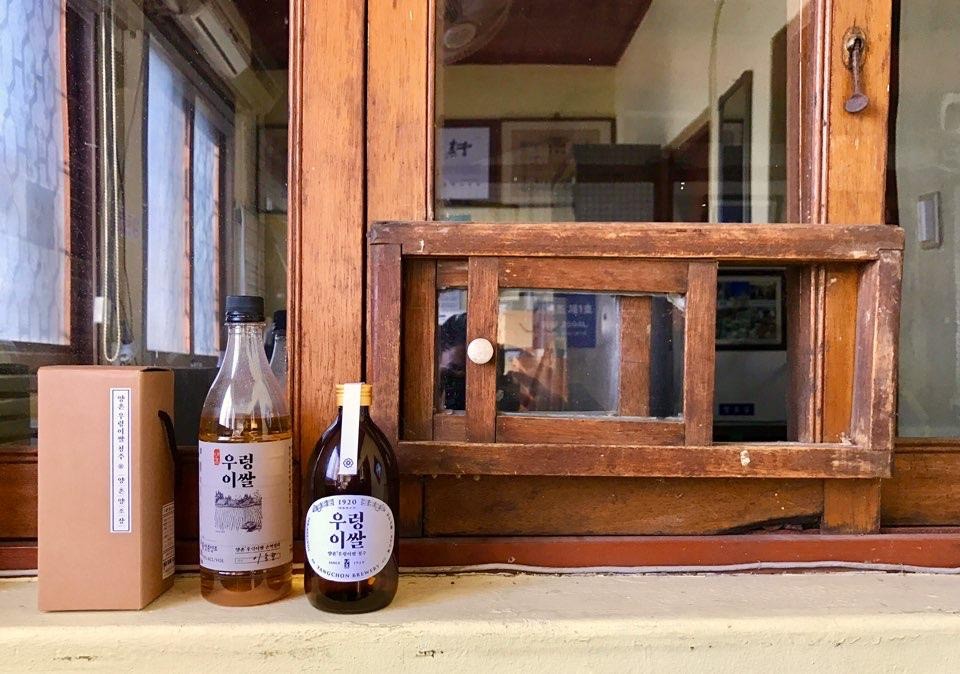
OUR KOREAN CRAFT SPIRITS LINEUP
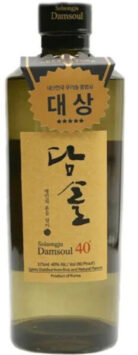
Pine Soju 40%, Damsoul
Distillery: Solsongju • Ingredients: Water, Rice, Pine, Spruce, Nuruk (Wild Fungi, Yeast and Lactic Acid Bacteria) Acid • ABV: 40%
Subtle pine, eucalyptus, and juniper berry with a fresh, nuanced character. Outstanding with tonic, rosemary, and lime. An exceptional gin substitute.
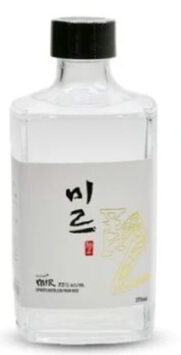
Mir 22% Soju
Distillery: Sulseam • Ingredients: Water, Rice, Nuruk (Wild Fungi, Yeast and Lactic Acid Bacteria) Acid • ABV: 22%
Rice, nuruk, water — nothing more. Subtle rice aromatics with a smooth, clean mouthfeel. Serve neat or on the rocks to appreciate the full complexity.
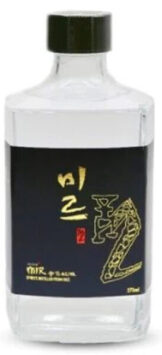
Mir 40% Soju
Distillery: Sulseam • Ingredients: Water, Rice, Nuruk (Wild Fungi, Yeast and Lactic Acid Bacteria) Acid • ABV: 40%
Full-proof expression of Mir’s single-distilled rice soju. Richer and more concentrated — built for sipping neat or as the backbone of a serious Korean cocktail program.
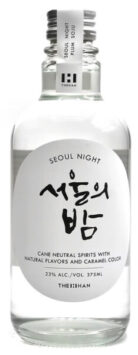
Seoul Night Soju 23%
Distillery: The Han • Ingredients: Water, Plum, Nuruk (Wild Fungi, Yeast and Lactic Acid Bacteria) Acid • ABV: 23%
Double-distilled golden maesil in a vacuum still with juniper berries added during distillation. Cold-filtered for clean, floral plum flavors and a dry finish. Serve chilled or with tonic.
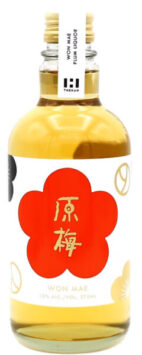
Won Mae Plum Liqueur
Distillery: The Han • Ingredients: Water, Plum, Nuruk (Wild Fungi, Yeast and Lactic Acid Bacteria) Acid • ABV: 13%
100% golden maesil macerated and finished with Jeju island honey for round texture and subtle sweetness. Tropical fruit, wild flowers, bright acidity. Enjoy chilled like white wine.
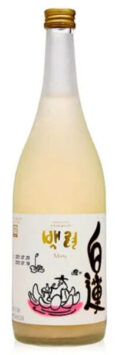
White Lotus Makgeolli
Brewery: Shinpyeong• Ingredients: Water, Rice, Nuruk (Wild Fungi, Yeast and Lactic Acid Bacteria) Acid • ABV: 7%
Pear blossom and cantaloupe on the nose, creamy balanced texture, vanilla blossom and rice sweetness on the finish. Shake before serving.
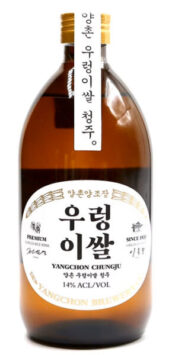
Chungju, Yangchon Brewery
Brewery: Yangchon• Ingredients: Water, Rice, Nuruk (Wild Fungi, Yeast and Lactic Acid Bacteria) Acid • ABV: 7%
Golden-amber color. Abundant savory notes — fermented soy, cheese rind, mushroom — with natural sweetness and a round texture. Serve chilled. Pairs with BBQ, beef stir-fry, and spicy dishes.