


You may know our fantastic portfolio of sake from Japan, but how well do you know our Japanese wine portfolio, or Japanese wine in general? Here’s your guide to Japanese wines and the Skurnik portfolio, followed by a closer look at our producers Lumiere Winery, Katsunuma Winery, and Domaine Mie Ikeno with a few select bottles from each.
A Brief History of Grape Growing in Japan
Japanese domestic wine production is typically thought to begin in the 19th century when imperial rule returned to Japan and marked the end of the Tokugawa shogunate. Much of Japanese society was reorganized into a single administrative, financial, and military political system under the sovereign power of Emperor Meiji, a teenager at the time the Charter Oath went into effect. This Imperial Restoration broke down the traditional class system with the growth of land leasing to farmers and industrialization. It also accelerated the Westernization of Japan while redefining, then codifying, the Japanese national identity.
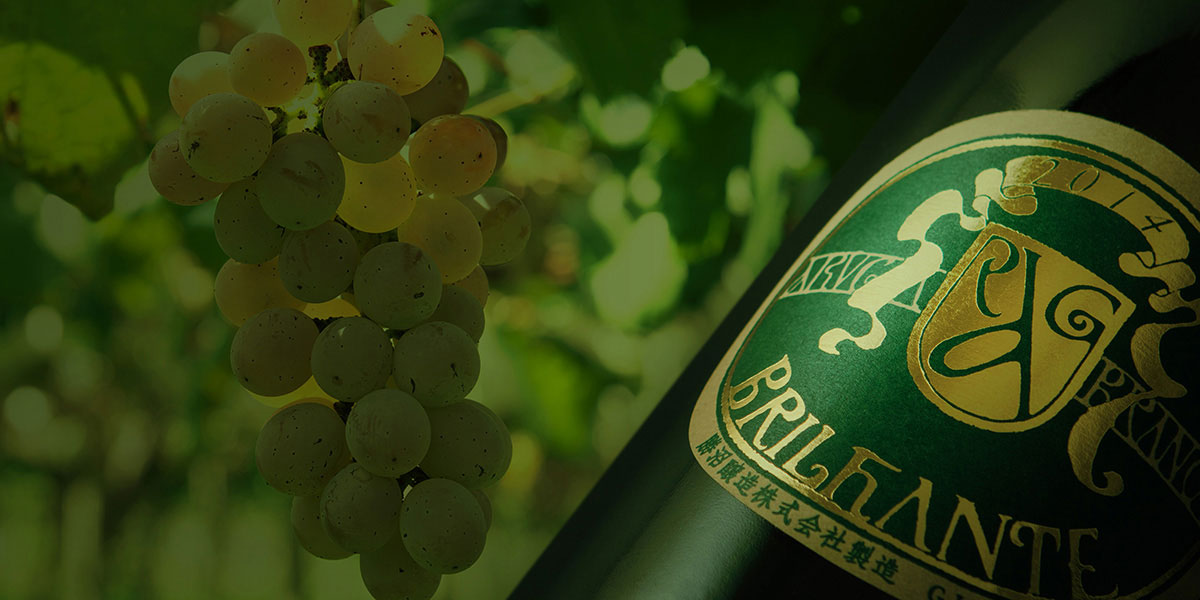
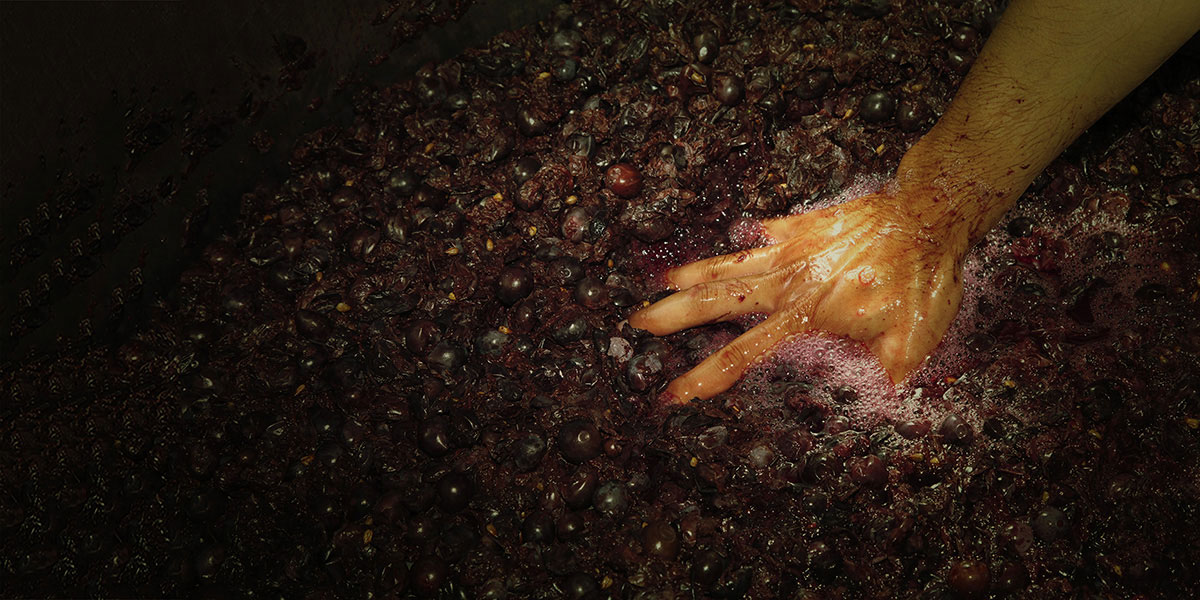 Until the early 1970s, most grape growing was devoted to table grapes. Different origin stories of Japanese grapes vary, but DNA testing suggests that the first grapes came via the Silk Road, originating in Georgia, and then most likely brought to the islands by Japanese monks traveling home from trips to China. More recently, archeological studies of clay vessels dating to the Jomon Period (4,800 to 3,000 BCE) suggest that the hunter-gatherers who established the first settlement communities collected grapes in clay vessels and buried them in autumn, effectively amphora-fermenting the grapes into wine.1
 Between the 8th and 12th centuries, grape vines were planted and forgotten and replanted, typically around monasteries and temples. During this period, the cultivated grapes were used primarily for medicinal reasons and occasionally associated with Nyorai, the Buddha of Healing and Medicine.2 Regular wine consumption in Japan began in the 16th century with the arrival of the Portuguese Jesuit missionaries, who gifted wine to the feudal lords of Kyushu, the most southerly of Japan’s four main islands.3 This practice led to a growing taste for wine and increased wine imports from Europe for domestic consumption. It was at this time that wine received a hybrid compound word that joined the Japanese words for tinto or red (chinta) and liquor (shu) into chintashu (珍陀酒).4
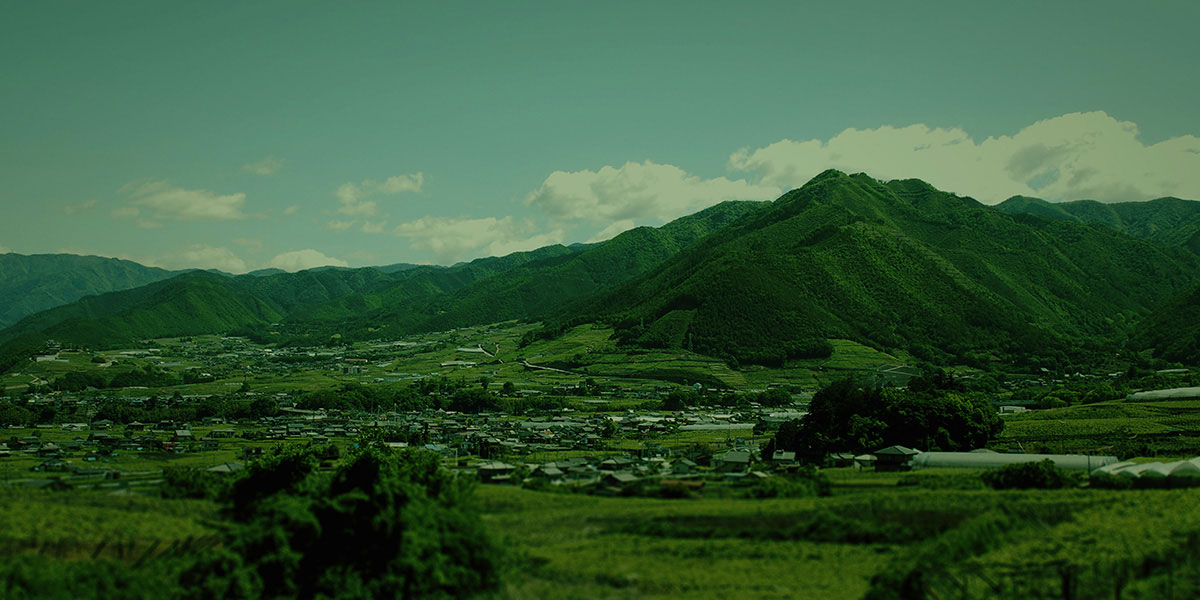
Over time, the cultivation of grape vines became more widespread throughout the islands, especially in the Yamanashi region, known as the “fruit basket” of Japan today. A British dignitary captured this landscape in his “Report on the Central Silk Districts of Japan,” painting picture of what it looked like when he visited Koshu, Yamanashi for the first time in 1869.5
Kôfu, the centre of the Kôshiu silk district, is situated in a large plain, surrounded by mountains. It is a town of some extent, and possesses one of the castles lately belonging to the Shôgun….The plain is full of paddy, and we came upon a quantity of vines, trained on horizontal trellis-frames, which rested on poles at a height of 7 or 8 feet from the ground. Crystals are found in some of the surrounding hills.
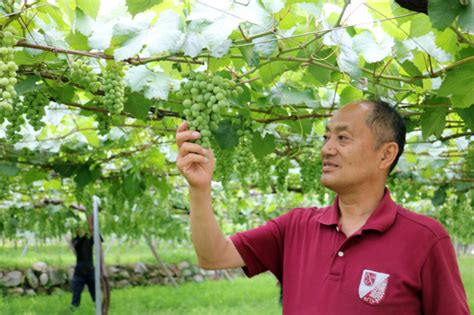
This account aligns with the pergola-style trellising still common in Japan today, a system in which vines are trained overhead on horizontal frames supported by bamboo set across wooden posts, a method developed by the 16th-century physician, Tokuhon Nagata. The overhead trellising, or tanashiki, proved to be an effective way to combat the humidity that persists across much of Japan during the growing season. Over time, the bamboo was replaced by metal poles, and then by 1898, wire lattices became standard, inspired by telegraph wires.6
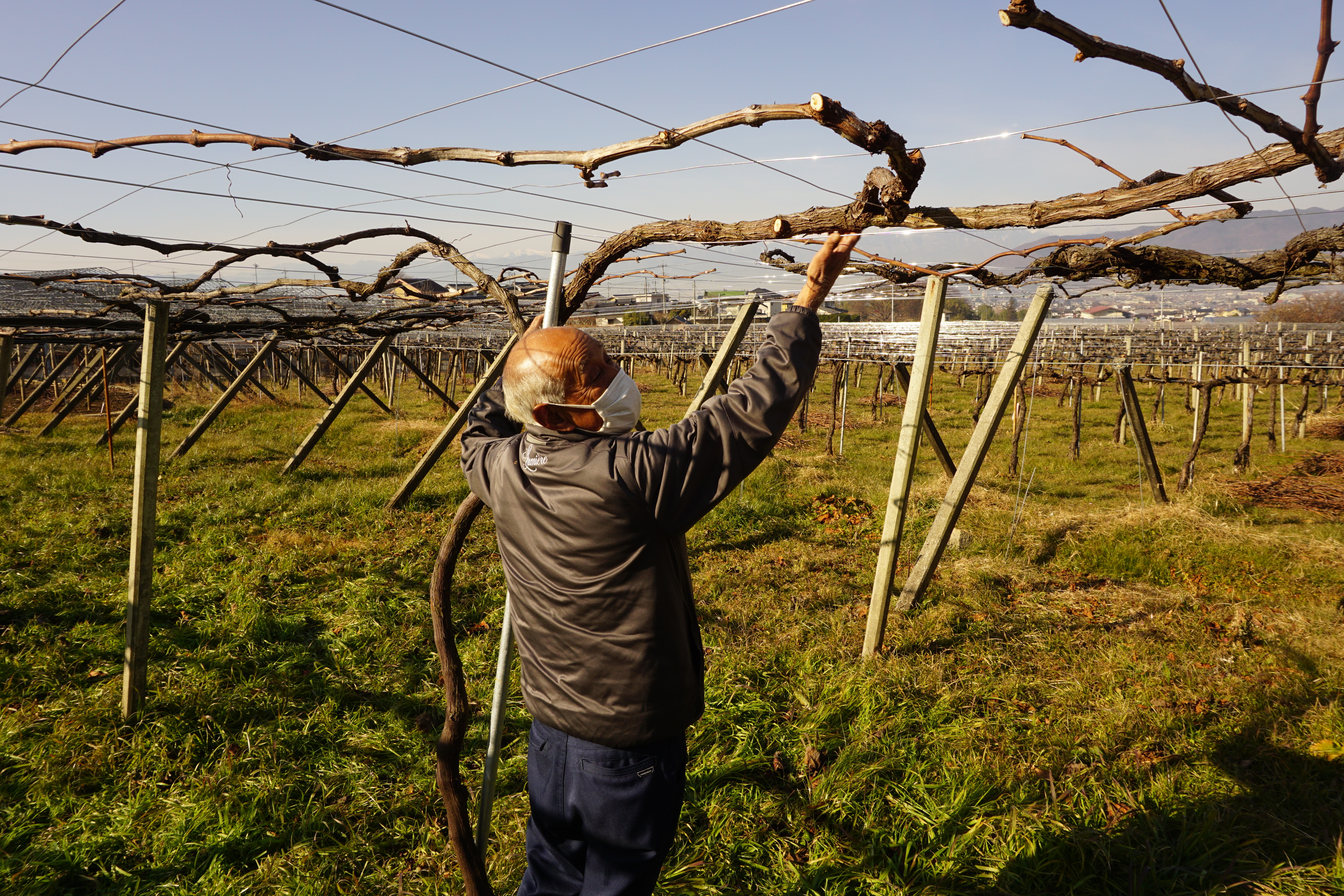
By 1875, wine production was in its early stages, and the first official winery was formed in 1877. However, a Phylloxera outbreak in 1884 nearly eliminated the European vinifera vines that were planted during this time, and domestic winemaking rarely broke away from sweetened, fortified, or medicinal styles till the 1970s. Across the 70’s and 80’s Japanese producers developed vineyards, explored organic farming, and cultivated insect-resistant plants. Pergola-style trellising remains common with Koshu varieties, though VSP trellising is more common with international grape varieties.
With this historical foundation in mind, modern Japanese wine offers a compelling mix of tradition and innovation.
Japanese Wine at a Glance
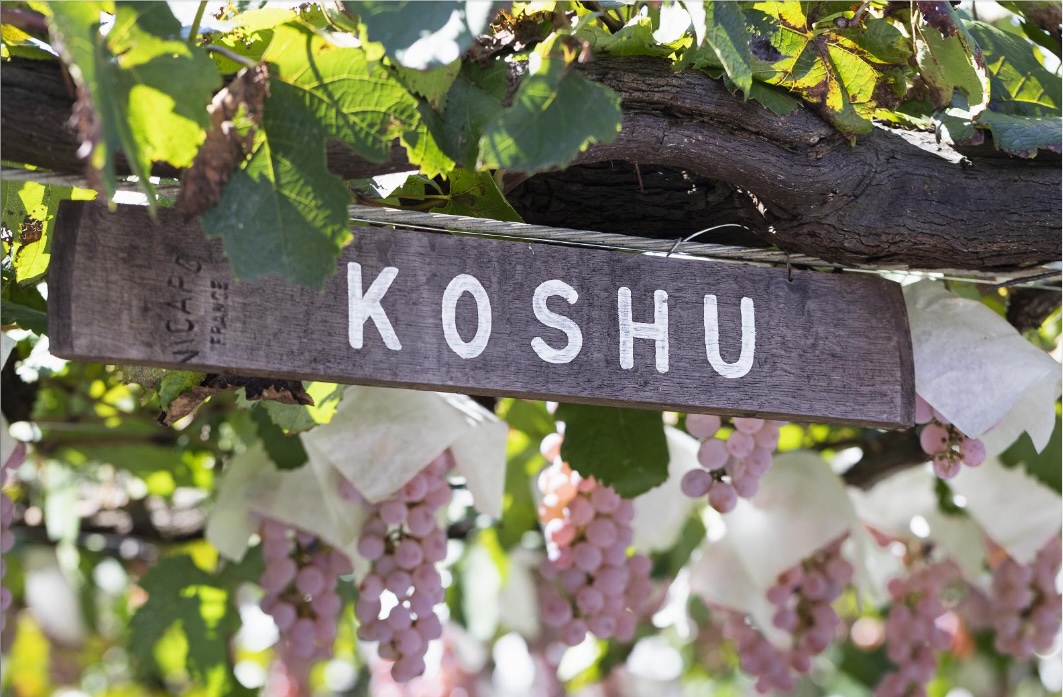
Japanese wineries work with indigenous (primarily Koshu), hybrid (frequently Muscat Bailey A, but also Delaware, Niagara, and Black Queen), and international vinifera varieties. While Koshu is the dominant variety, the planting highlights the wide-ranging climates, from the temperate Hokkaido in the north to the warmer, sunnier, and more humid Yamanashi in the south. The resulting styles of Japanese wine are well-suited to lighter wines that pair with the most common Japanese cuisine found in the United States, while still demonstrating enough depth and complexity to complement dashi broths, miso-marinated cod, and wagyu. This diversity of grape varieties and style is closely tied to geography, with each region shaping the character of its wines in distinct ways.
Top 3 Wine Producing Regions
Japan touts eight major wine-producing regions, but these three geographical indications (GI) are a great starting point.
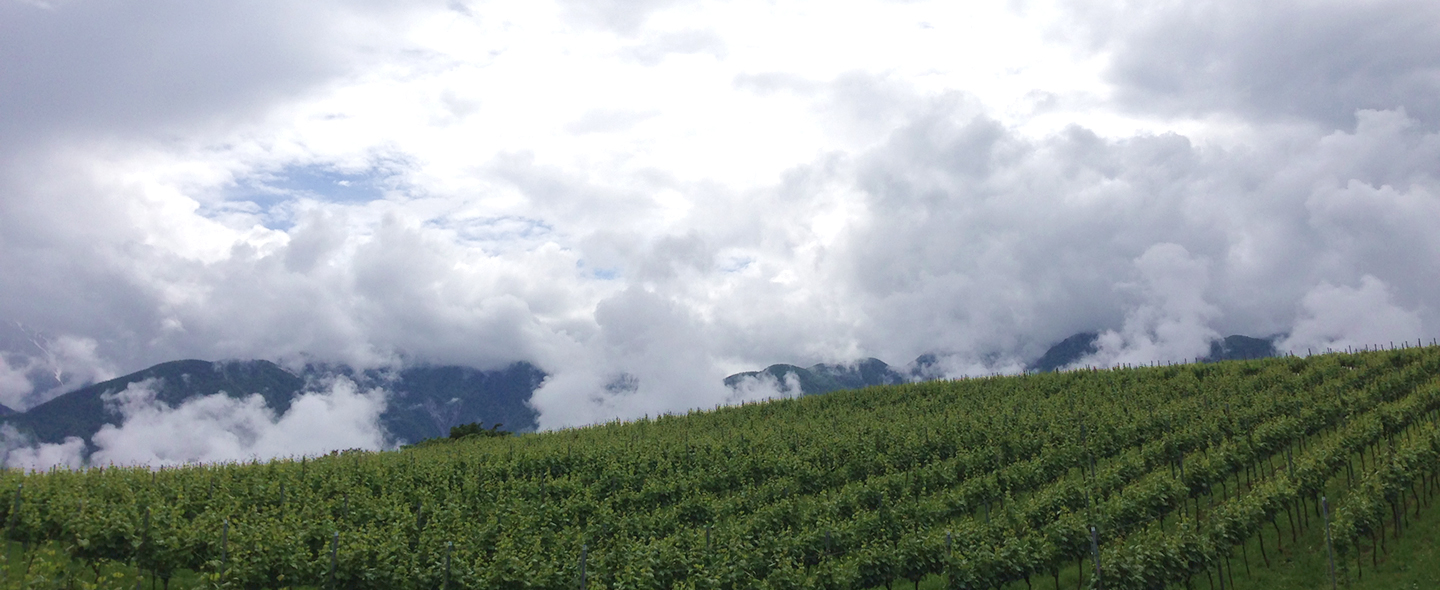
Yamanashi — The most prominent wine region and the closest to Tokyo. The continental climate, broad diurnal shifts, relatively low humidity, and the volcanic influence of Mount Fuji mean the quality of wines of Yamanashi stands out among the eight wine-growing regions. Expect Koshu and Chardonnay to be the anchor varieties of these local wineries.
Nagano — If you know Nagano for its famous hot springs and Japanese macaques of Snow Monkey Park (Jigokudani), you have some sense of the high altitude, wintry scenes, and volcanic activity of the region. This region has been noted for its Kyoho dessert grapes and boasts its first winery in 1092. The mineral soils elevate the complexity in international red varieties like Merlot and Cabernet Sauvignon and fuller-bodied Chardonnay.
Hokkaido — In the far north, a cool climate has allowed Pinot Noir and Chardonnay to excel and naturally extended the region’s notoriety into sparkling wines. Comparisons have been made to the climates of Alsace and Champagne, and early wineries started with Zweigelt and other Austrian or Germanic varieties. Volcanic soil is also prominent in this wine-growing region with a long growing season.
Japan’s wine industry continues to expand, even as wine imports remain strong. In 2024, the country had 493 registered wineries—up from 238 in 2008. Today, all but one of Japan’s 47 prefectures produce wine commercially.7 Wine tourism and ongoing experimentation among winemakers and wine drinkers promise a bright future for the current generation of wineries today.
Get to Know Our Japanese Wineries
Lumiere Winery
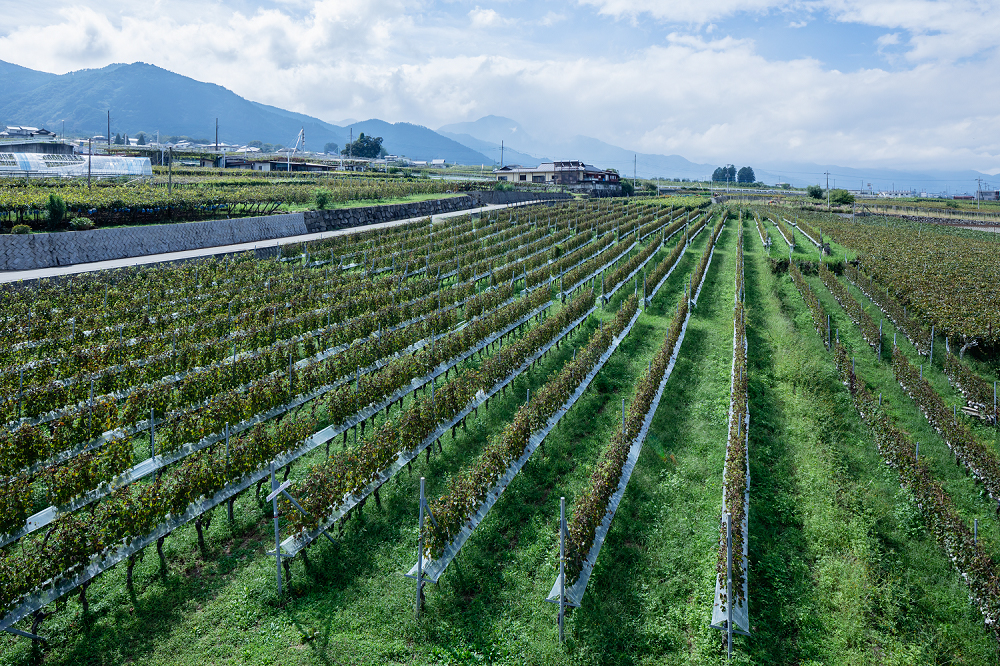
Lumiere is one of the oldest wineries in Japan, having been owned and operated by the Furiya family since 1885. They are located in the heart of Japan’s wine country of Yamanashi and are a leader in the industry, pioneering the use of Japan’s indigenous Koshu grape and exploring unusual hybrids like Black Queen and Muscat Bailey A. Many of the leading young winemakers of 21st-century Japan have learned their craft at Lumiere.
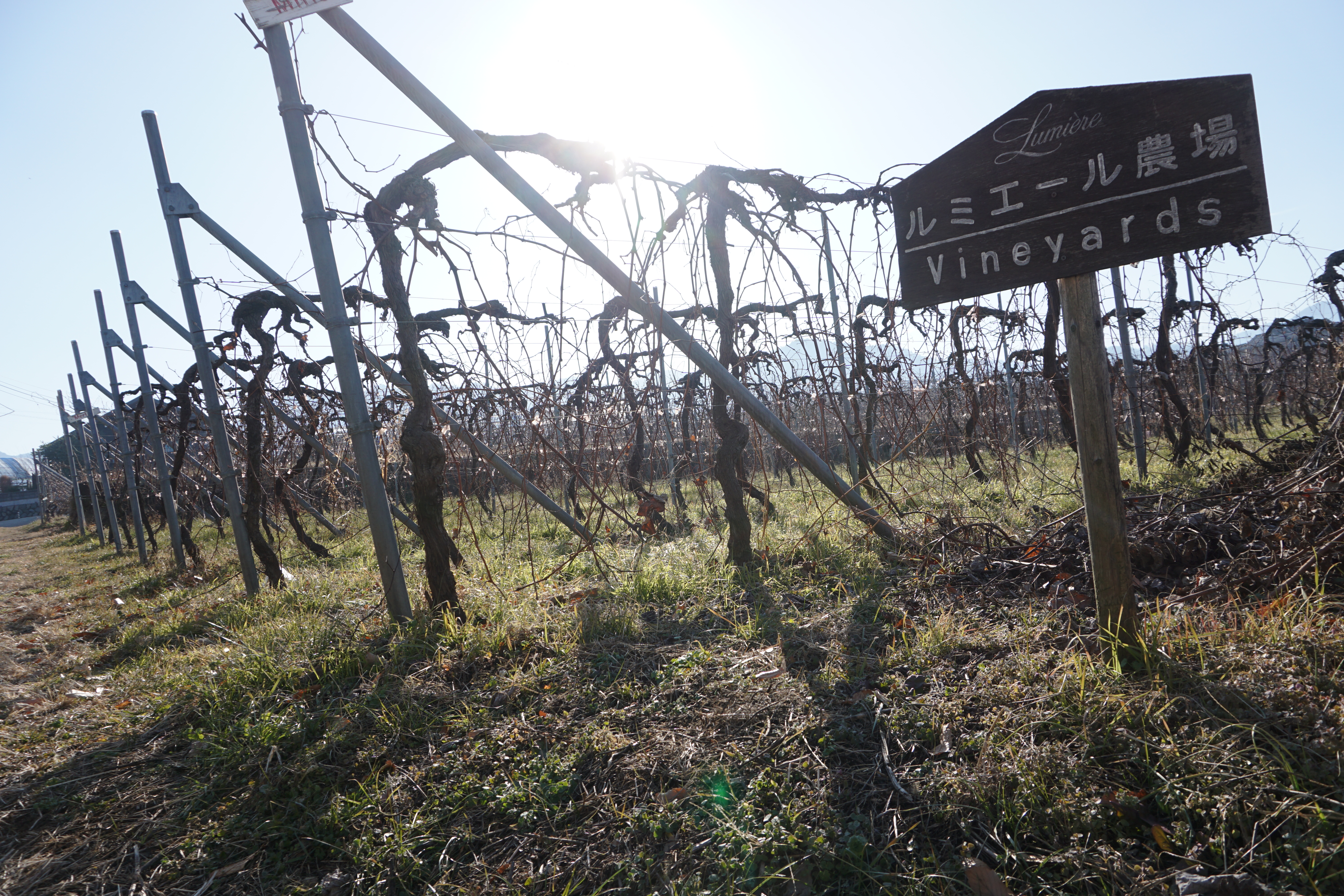 In addition to longstanding contracts with local farmers, they own and operate 4 hectares of volcanic soil vineyards themselves, sitting 400 meters above sea level. The lands are crisscrossed by unique pergola-style trellises, which have been used in Yamanashi for over 400 years and allow grapes to thrive in the humid environment of Japan. By elevating the vines, sunlight is more evenly distributed, the good airflow prevents mold and other diseases from developing, and the clusters remain neatly separated.
Katsunuma Winery
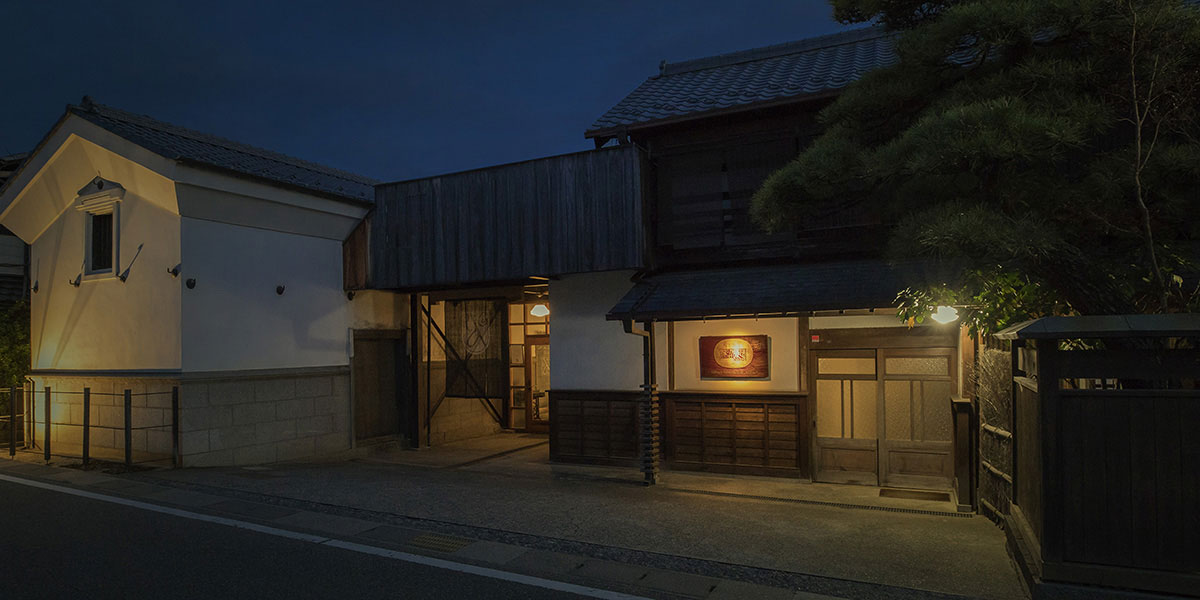
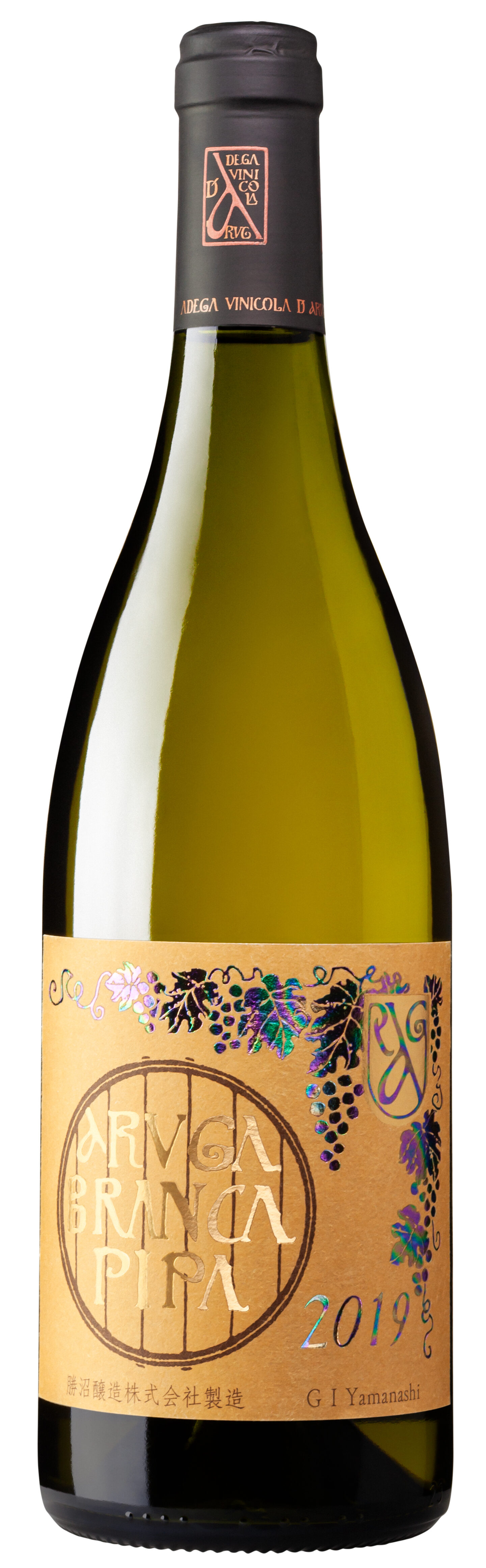
Founded in 1937 by Yoshinori Aruga, Katsunuma Jozo is currently run by brothers Jun, Sho, and Hirotaka, overseeing sales, vineyard management, and winemaking respectively. As one of Japan’s most prominent independently owned wineries, they have devoted themselves exclusively to grape cultivation and winemaking since 1973, operating out of Yamanashi. The region’s mountain-bordered plateau keeps out the worst rainstorms, creating relatively dry conditions, while a mix of clay, sand, and volcanic Kuroboku black soil, combined with careful trellis-trained viticulture, supports quality grape growing in Japan’s otherwise humid climate.
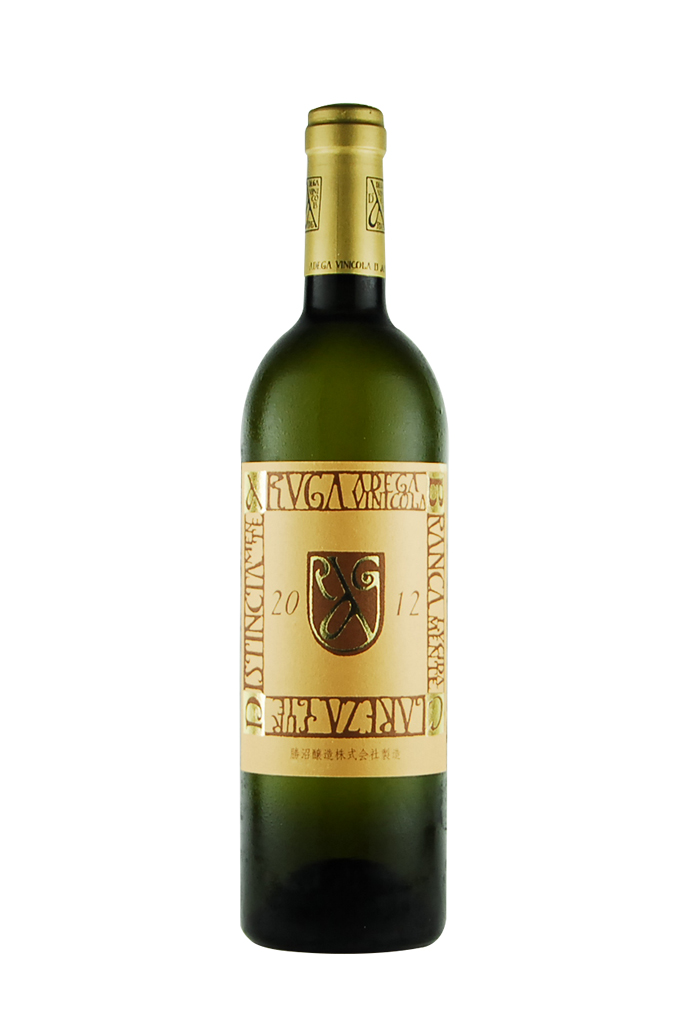
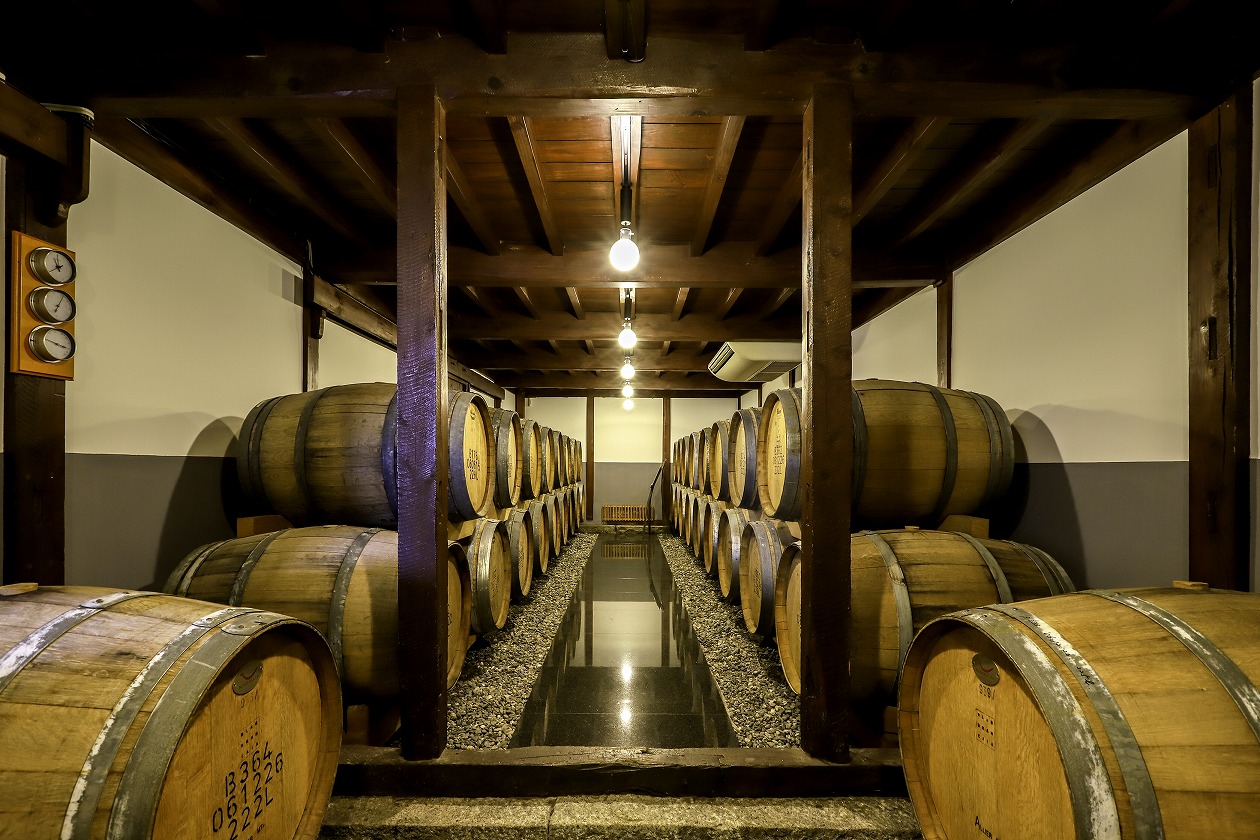 Their signature “Aruga Branca” line, launched in 2001, showcases the Koshu grape. The resulting whites are vibrant and food-friendly, designed specifically to complement the nuanced flavors of Japanese cuisine. Beyond classic pairings like sashimi, they can highlight the delicate notes of notoriously tricky matches such as dashi broth, making them a natural fit across a full Japanese tasting menu.
Domaine Mie Ikeno
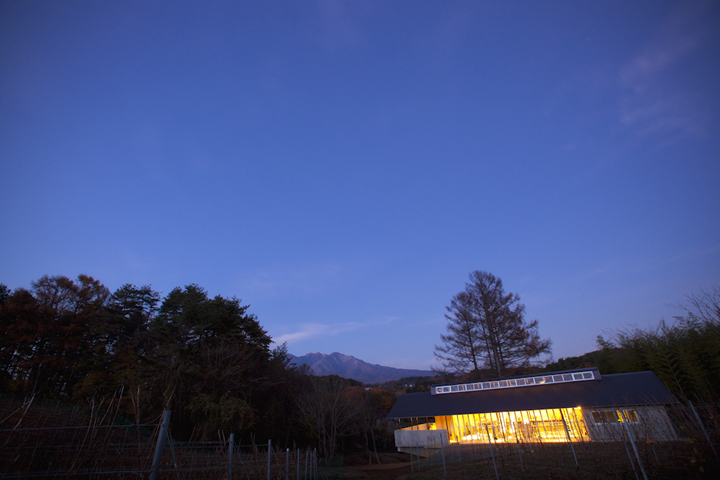
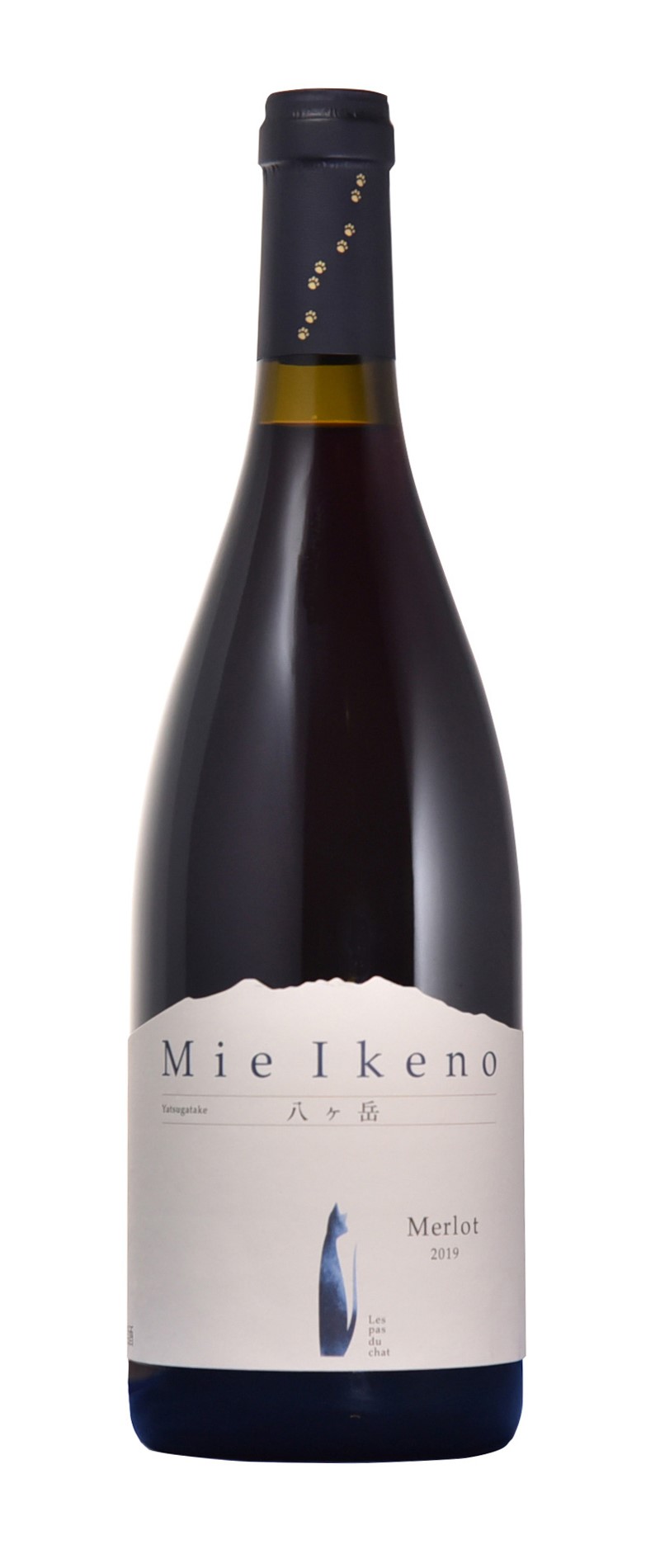
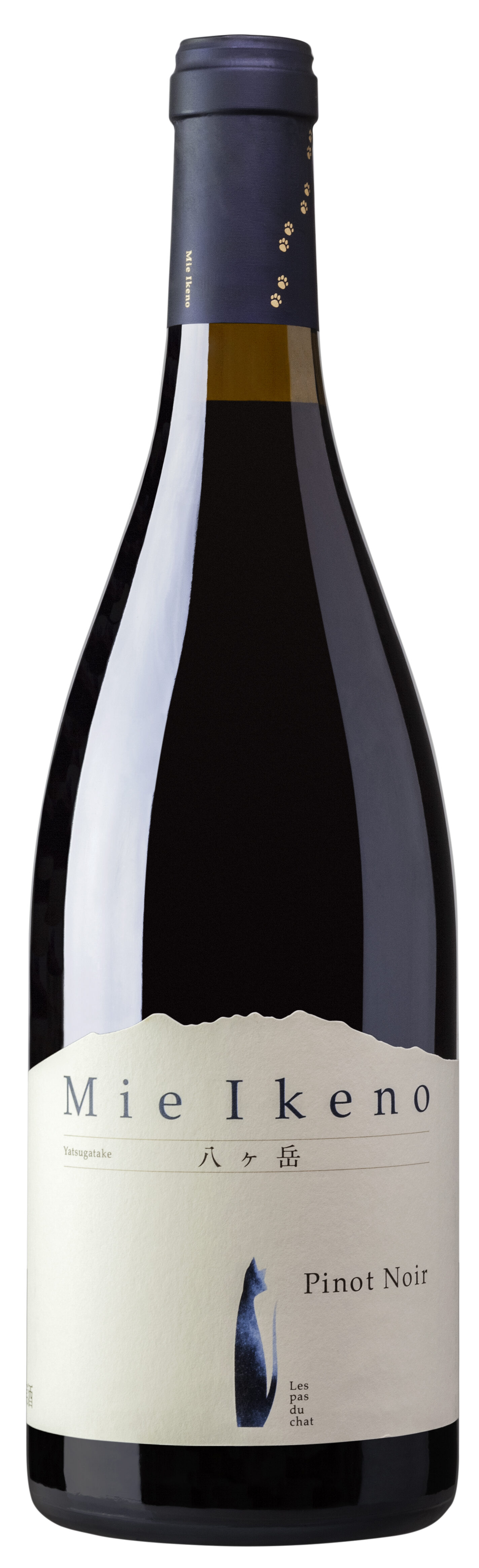
Considered one of the greatest winemakers in Japan, Mie Ikeno grows Chardonnay, Pinot Noir, and Merlot at the highest elevations of Yamanashi, crafting wines of remarkable power and expressiveness. For the first three decades of her life, Ikeno was a celebrated journalist and interviewer before finding her calling in wine—inspired by extended time with friends in Burgundy. She went on to study oenology, viticulture, and microbiology at the University of Montpellier, graduating in 2005, and then spent two years working in Burgundy before returning to Japan.
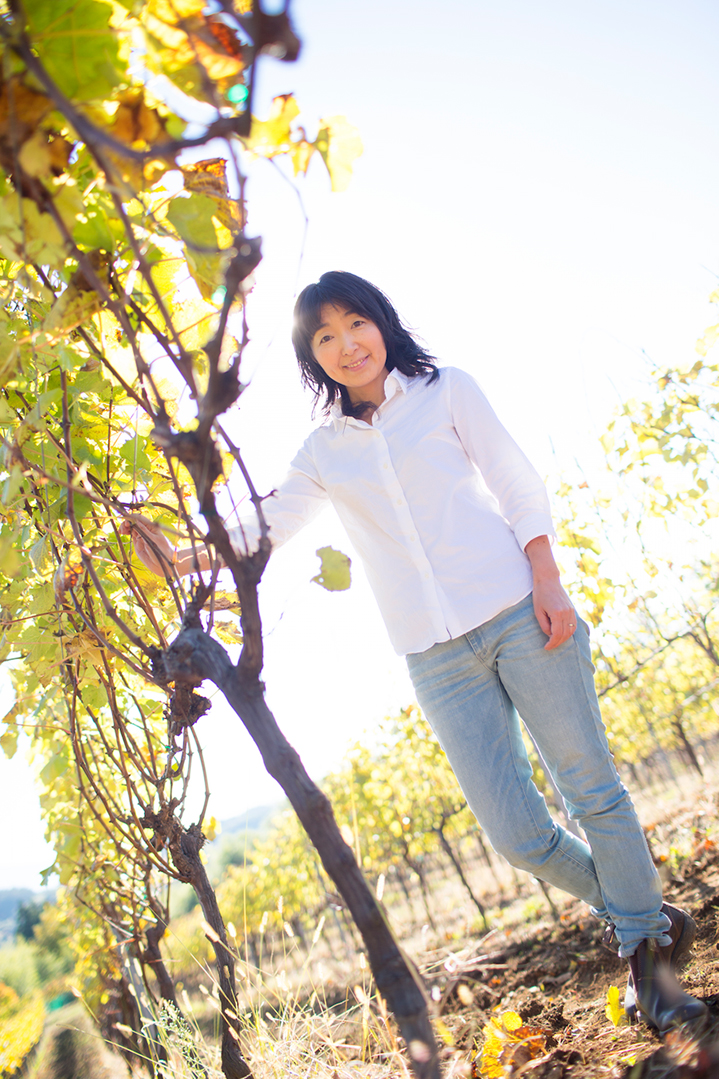
In 2007 she established her vineyard on a former mulberry field in Yamanashi, a site with panoramic views of Yatsugatake, the Chichibu Mountains, and Mt. Fuji, and with volcanic soils topped with silty loam at an elevation of 2,500 feet. A gravity-flow winery completed in 2011 minimizes energy use from harvest through bottling, and the vines are farmed without pesticides or chemical fertilizers. Domaine Mie Ikeno produces just around 800 cases per year, and her first vintages were met with great acclaim.
These producers represent just a small window into the diversity and quality of Japanese wine today.
THE WINES
We’ve selected two wines from each of these fantastic wineries. The selections are just a start, serving as an entry point into the broad range of contemporary Japanese winemaking. Click here for a full list of our current Japanese wine portfolio.
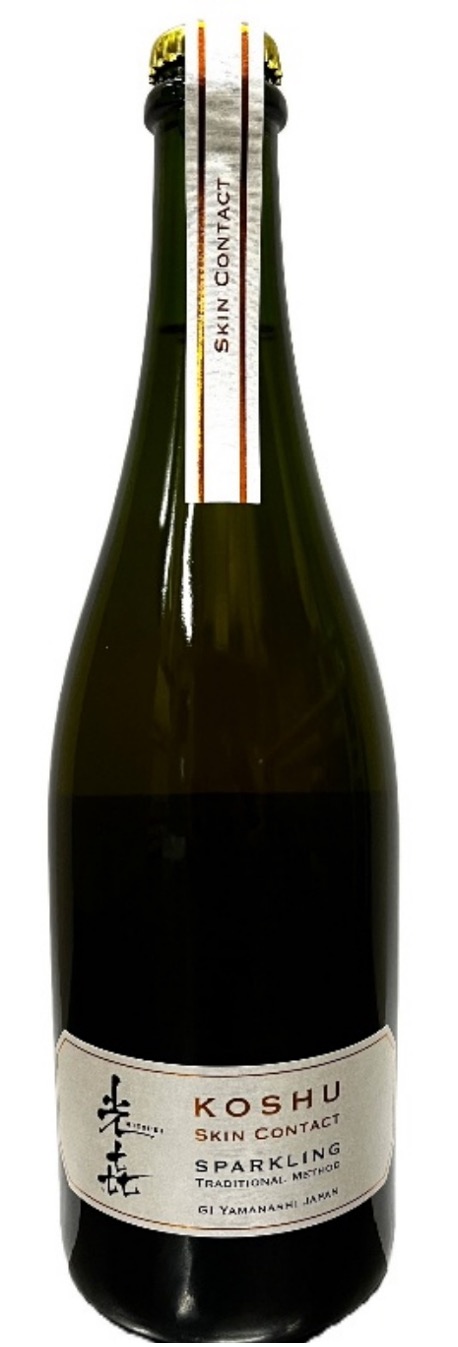
KOSHU ‘MITSUKI – ‘SKIN CONTACT SPARKLING,’ Lumiere Winery
 |
|
|
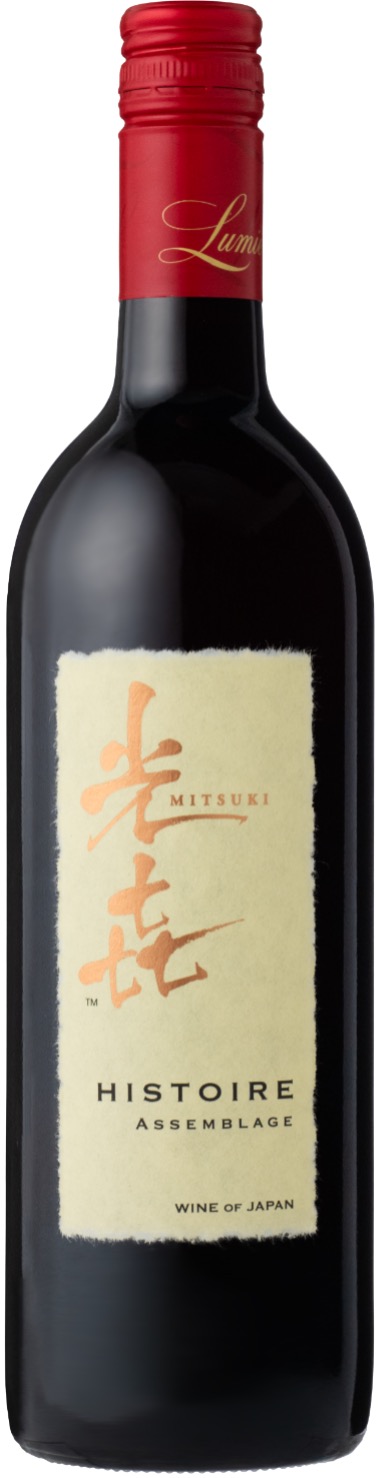
RED BLEND ‘MITSUKI – HISTOIRE,’ Lumiere Winery
 |
|
|
KOSHU, ‘ARUGA BRANCA CLAREZA,’ Katsunuma Winery
 |
|
|
KOSHU, ‘ARUGA BRANCA PIPA,’ Katsunuma Winery
 |
|
|
MERLOT, Domaine Mie Ikeno
 |
|
|
PINOT NOIR, Domaine Mie Ikeno
 |
|
|
Sources
- Gilhooly, Rob. “Jomon Wine Origins.” Japan Times, September 12, 2022, accessed April 6, 2026. https://www.japantimes.co.jp/life/2022/09/12/food/jomon-wine-origins/
- “Origins of the Koshu Grape,” Koshu Valley, accessed April 3, 2026, https://www.koshuvalley.com/winecountry/koshugrape.
- Jancis Robinson, The Oxford Companion to Wine (Oxford: Oxford University Press, 1999), 377–380.
- “Japanese Wine,” Wikipedia, last modified November, 19 2025, accessed April 2, 2026, https://en.wikipedia.org/wiki/Japanese_wine.
- Mr. Adams. “Report on the Central Silk Districts of Japan.”
- Katayama, Akiko. “Japan’s Fast-Growing Wine Market Embraces Natural Wine.” Forbes, July 27, 2025. https://www.forbes.com/sites/akikokatayama/2025/07/27/japans-fast-growing-wine-market-embraces-natural-wine/.